Hong Kong's Remote Work Revolution: The Hidden Costs Behind the Promise
As coworking spaces proliferate across Central and beyond, the city grapples with surveillance, inequality, and the erosion of work-life boundaries.
3 min read
Updated 10 h ago
As coworking spaces proliferate across Central and beyond, the city grapples with surveillance, inequality, and the erosion of work-life boundaries.
3 min read
Updated 10 h ago
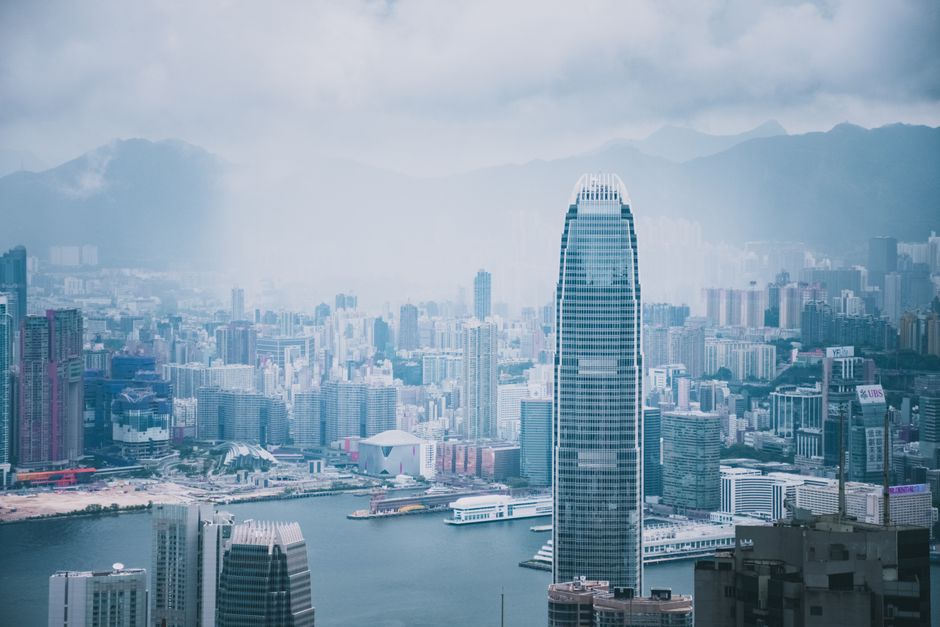
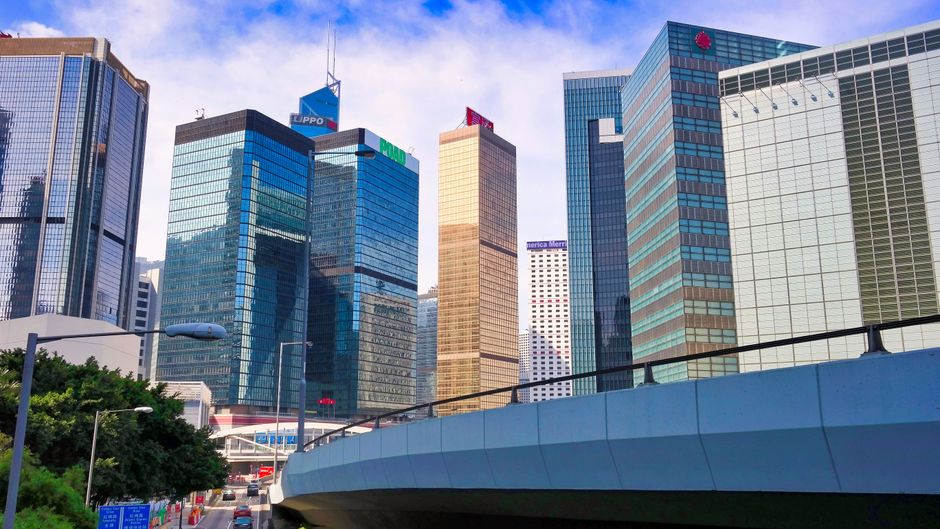
Walk through Central's business district in 2026 and you'll spot them everywhere: gleaming coworking hubs with names like "The Hive" and "Spaces," their floor-to-ceiling windows advertising flexibility, community, and liberation from the traditional office. Yet beneath Hong Kong's embrace of remote and hybrid work lies a more complex reality—one marked by ethical pitfalls, hidden costs, and questions about who truly benefits from this new way of working.
The numbers seem promising. According to a recent survey by the Hong Kong Information Technology Federation, 68% of knowledge workers now split time between home, coworking spaces, and corporate offices. Monthly memberships at premium coworking venues in Sheung Wan and Quarry Bay range from HK$2,500 to HK$8,000, with some freelancers renting hot desks for as little as HK$500. On the surface, this democratises access to professional workspaces that once required six-figure office leases.
But the cracks are widening. Privacy advocates have raised alarms about biometric tracking systems increasingly embedded in coworking infrastructure—some venues now monitor login patterns, desk occupancy through motion sensors, and even browser activity on shared networks. For workers already navigating Hong Kong's politically sensitive environment, such surveillance raises uncomfortable questions about data sovereignty and who controls that information.
There's also the equity problem. While privileged professionals shuttle between cafes in Mid-Levels and serviced offices in Admiralty, lower-income contract workers and migrants—estimated at 400,000 domestic helpers and undocumented labourers in Hong Kong—remain excluded from these spaces entirely. The promise of "workplace flexibility" often translates to job insecurity for the most vulnerable, with gig economy platforms replacing benefits, stability, and worker protections.
Perhaps most troubling is the psychological toll. Hong Kong already ranks among the world's most stressed cities. Remote work, theoretically offering balance, often erases boundaries entirely. A 2025 study by the University of Hong Kong found that hybrid workers logged significantly more overtime hours than traditional office employees, with 52% reporting burnout symptoms. Without commutes or the physical separation home and office provide, the "always-on" culture thrives.
The technology sector—a pillar of Hong Kong's economic future—must reckon with these tensions. Innovation should serve people, not merely shareholder returns. As coworking venues multiply from Causeway Bay to Tseung Kwan O, policymakers need robust frameworks: data protection standards, mandatory benefits for gig workers, mental health provisions, and genuine inclusion for Hong Kong's working poor.
Remote work isn't inherently good or bad. But pretending the challenges don't exist while celebrating the promise is a luxury Hong Kong can no longer afford.
This article was compiled by AI from the sources linked above and screened before publishing. See our editorial standards.
About this article
Published by The Daily Hong Kong
Spread the word
Daily brief
Free, in your inbox before 7am. Weekdays.
Before you go
The day's Hong Kong news in a 2-minute read. Free, weekday mornings.