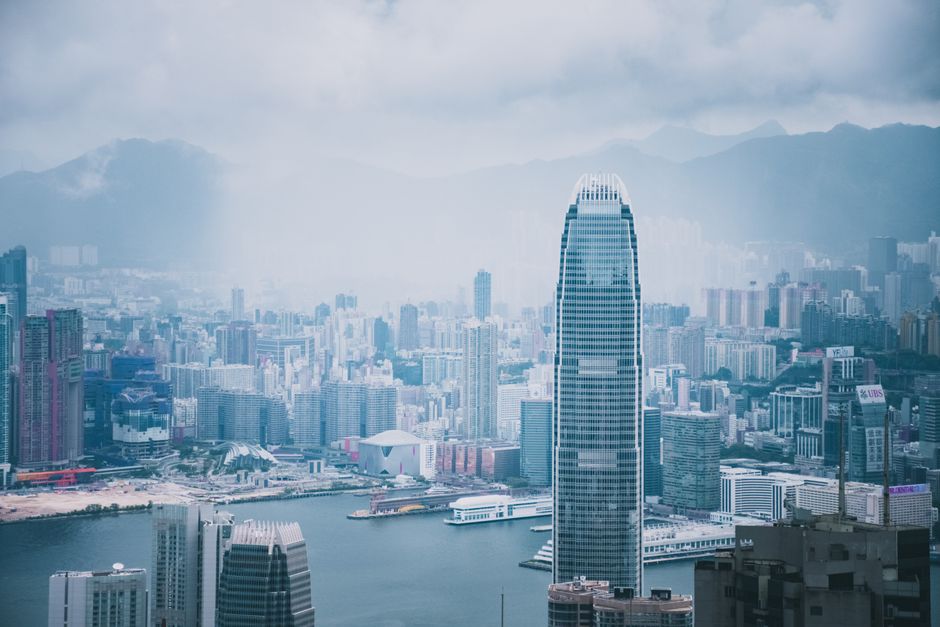
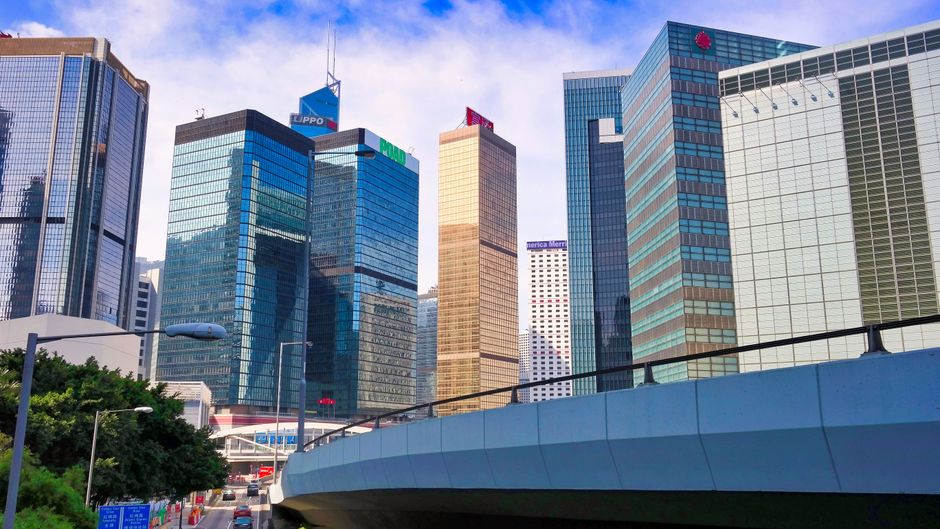
Walk through Cyberport on Hong Kong Island's southern shore, and you'll encounter something Silicon Valley struggles to replicate: a technology ecosystem built on centuries of mercantile experience rather than venture capital theology.
The distinction matters. While San Francisco obsesses over Series A rounds and exit multiples, Hong Kong's tech sector has quietly consolidated advantages that emerge from the city's position as a global financial centre with $800 billion in offshore renminbi deposits, direct access to China's 1.4 billion consumers, and regulatory flexibility that treats innovation as policy priority rather than threat.
"We're not trying to be the next Shenzhen or replicate the Valley," explains the reality of Hong Kong's tech positioning. The city hosts over 1,500 technology startups, with cumulative funding exceeding $4.8 billion since 2018, according to recent venture data. But the composition differs markedly from Western tech hubs. Deep-pocketed family offices and mainland Chinese investors dominate early-stage rounds, while established conglomerates—Swire, Hutchison, the Bank of China group—actively acquire or partner with promising founders rather than waiting for IPO windows.
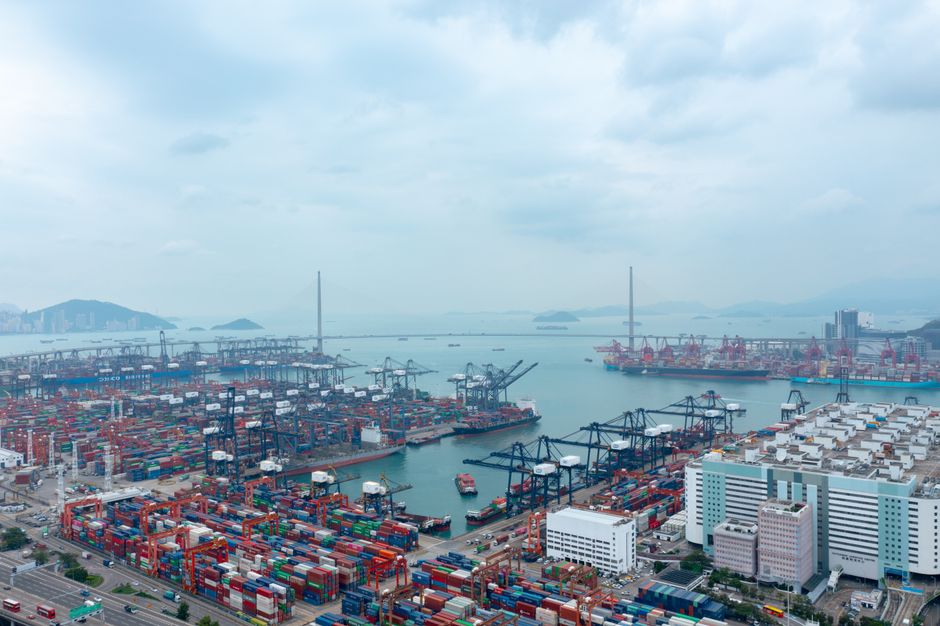
Spaces like The Mills in Tsuen Wan and Blueprint in Kowloon Bay have become genuine innovation clusters, not merely networking venues. These hybrid workspaces host hardware prototyping alongside software development, reflecting Hong Kong's enduring strength in manufacturing supply chains. A fintech founder building payment infrastructure can source microelectronics from suppliers in Sham Shui Po within days rather than weeks—a logistical edge that compounds across development cycles.
Regulatory positioning amplifies this. Hong Kong's approach to crypto-asset licensing, fintech sandboxes, and artificial intelligence frameworks prioritises clarity over prohibition. The SFC's recent guidance on Web3 asset management, for instance, has attracted regional headquarters from blockchain firms fleeing less welcoming jurisdictions. This pragmatism—balancing innovation with consumer protection—differentiates Hong Kong from both permissive jurisdictions that invite regulatory backlash and restrictive regimes that stifle experimentation.
The city's true distinctive advantage, however, lies in its cultural and linguistic diversity combined with geographic positioning. Founders here routinely pitch products in English, Cantonese, and Mandarin simultaneously, testing business models across Hong Kong, mainland China, and international markets within the same fiscal quarter. Talent flows more easily than in geographically isolated hubs—a software engineer in Hong Kong can reasonably work with teams in Singapore, Shanghai, and San Francisco across overlapping business hours.
As geopolitical fragmentation pushes technology into regional silos, Hong Kong's historical role as a bridge—politically complicated but economically undeniable—becomes increasingly valuable. The question isn't whether Hong Kong will become the next Silicon Valley. It's whether Silicon Valley will eventually recognise it already operates an entirely different, and in several respects superior, model.
This article was compiled by AI from the sources linked above and screened before publishing. See our editorial standards.