Hong Kong's Smart City Dream Attracts Record Tech Investment as Digital Infrastructure Boom Accelerates
With government backing and billions flowing into govtech startups, Hong Kong's transformation into a truly connected city is reshaping venture capital trends across Asia.
This article was generated by AI from the linked public sources. The Daily Hong Kong is independently owned and covers Hong Kong news free from advertiser or sponsor influence. Read our editorial standards →
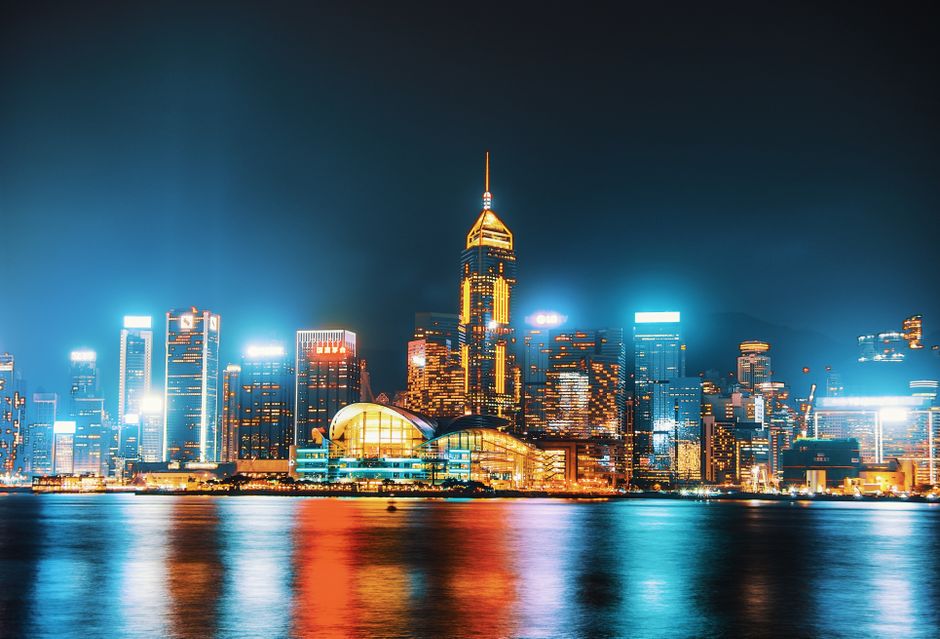
Hong Kong's push to become a world-class smart city is unlocking unprecedented investment opportunities, with venture capital and government funding pouring into digital infrastructure projects across the territory. The confluence of policy support and commercial interest has turned the city into an unexpected growth engine for Asia-Pacific govtech, attracting both local and international investors eager to capitalize on the modernization wave.
The Hong Kong government's Smart City Blueprint, launched in 2017 and updated multiple times since, has catalyzed billions in spending on everything from intelligent traffic systems in Mong Kok to predictive maintenance networks across public utilities. More significantly, it has created a magnet for private investment. Early-stage govtech firms focusing on solutions for urban management, public health monitoring, and citizen services have raised over HK$2.4 billion in funding across 2024 and 2025, according to industry tracking platforms—a four-fold increase from 2020 levels.
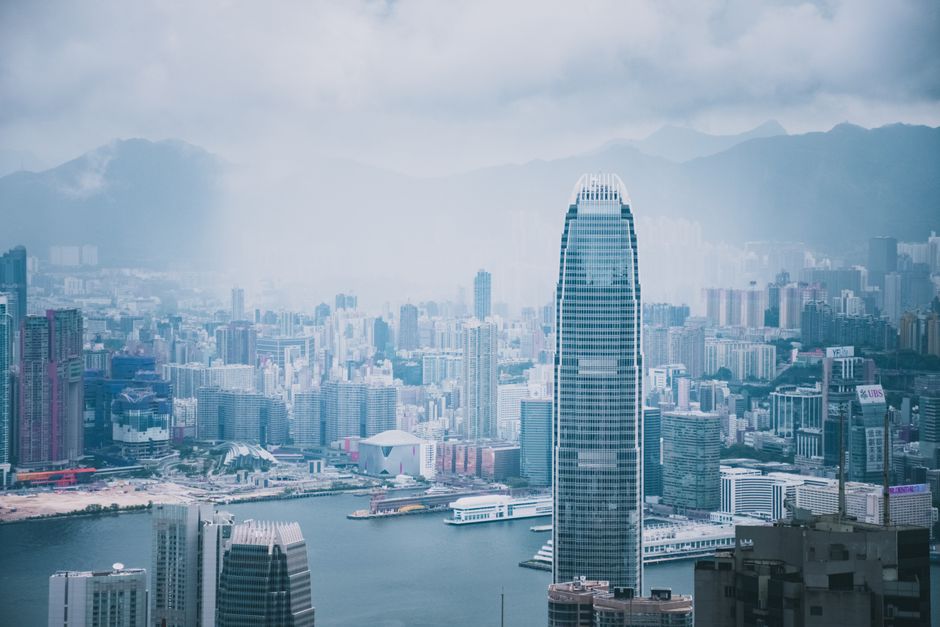
The momentum is particularly visible in Central and Sheung Wan, where venture firms and tech incubators have planted flags to serve the growing ecosystem. Co-working spaces along Des Voeux Road Central now host dedicated "smart city hubs" where startups pitch solutions to government procurement officers and institutional investors. One notable player, the Hong Kong Science Park in Shatin, has expanded its govtech acceleration program to include 40 companies, up from just 12 in 2022, with corporate partners including major utilities and transport operators investing directly in equity stakes.
What's driving the capital influx? A perfect storm of factors. First, Hong Kong's aging infrastructure—particularly in areas like Sham Shui Po—demands digital solutions to operate efficiently. Second, the government's commitment to carbon neutrality by 2050 has opened new categories of investment around smart energy grids and IoT-enabled environmental monitoring. Third, the city's position as a financial hub means capital is readily available for companies that can demonstrate scalability across Asia.
International investors are paying attention too. Chinese tech conglomerates, Singapore-based family offices, and even European climate tech funds have begun co-investing in Hong Kong govtech rounds. A Series B round closed in March by a predictive urban analytics startup drew participation from investors across four continents, valuing the firm at over HK$1 billion on the back of Hong Kong municipal contracts.
The trajectory suggests Hong Kong's smart city investments will continue accelerating. Consultancies estimate the local govtech market could exceed HK$50 billion annually by 2030—making it one of Asia's largest. For venture capitalists and corporate strategists, Hong Kong's transformation from a traditional financial center into a digital infrastructure laboratory represents one of the region's most compelling opportunities.
This article was compiled by AI from the sources linked above and screened before publishing. See our editorial standards.
Covering tech in Hong Kong. This article was generated by AI from the linked sources and was not reviewed by a human editor before publishing. See our editorial standards.