Hong Kong's Tech Promise Meets Growing Pains: Innovation Boom Raises Hard Questions About Ethics and Risk
As the city attracts billions in venture capital and positions itself as Asia's innovation hub, tech leaders and regulators grapple with AI governance, worker protections, and the human cost of disruption.
This article was generated by AI from the linked public sources. The Daily Hong Kong is independently owned and covers Hong Kong news free from advertiser or sponsor influence. Read our editorial standards →
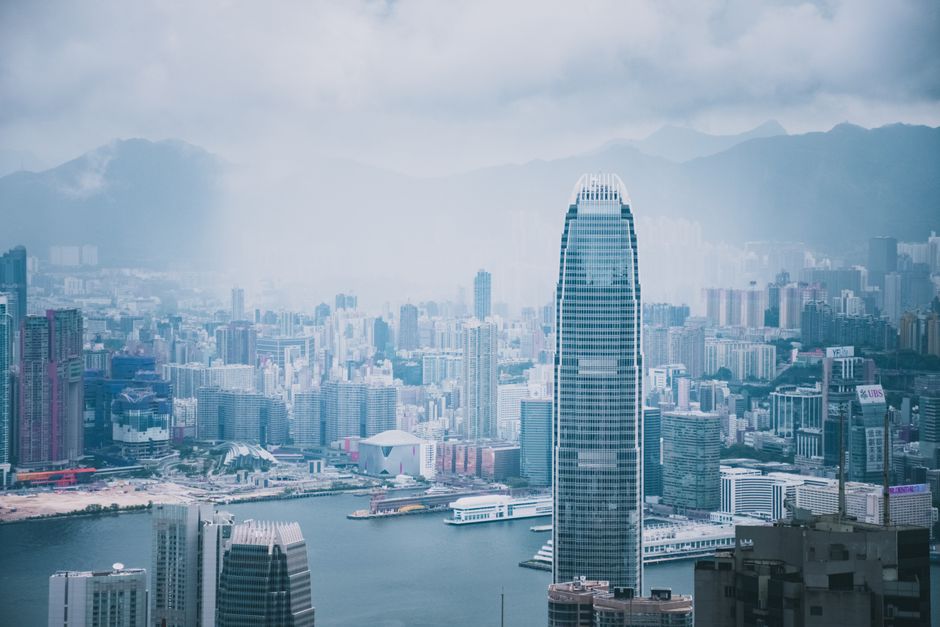
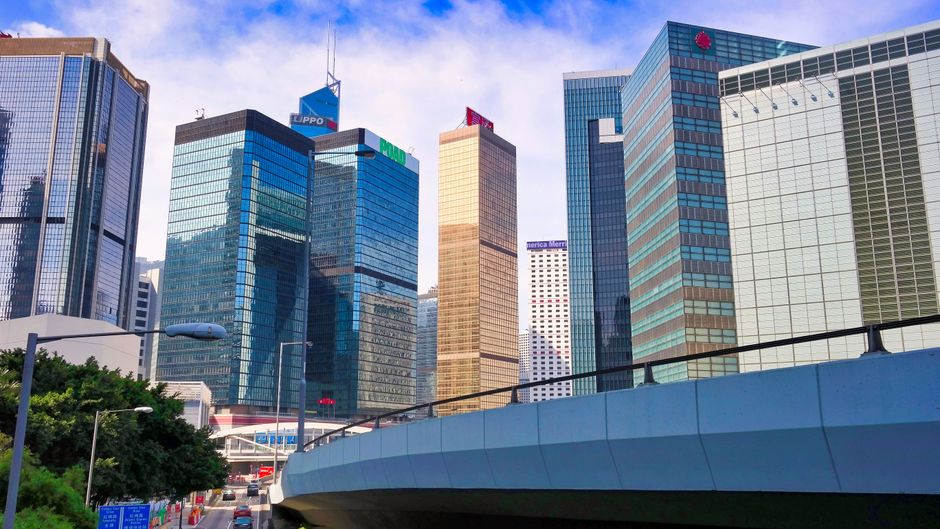
Hong Kong's gleaming tech corridor stretching from Central to Cyberport in Aberdeen has become synonymous with Asian innovation. Last year alone, the city attracted $8.2 billion in venture capital funding, nearly double the 2023 figure. Yet beneath the glass facades and polished pitch decks, a more complicated picture is emerging—one where rapid technological advancement is colliding with ethical concerns, regulatory uncertainty, and questions about who bears the risks of progress.
The tension came into sharp focus recently when a major AI firm based in Wan Chai faced backlash over its training data practices. The company, which hadn't disclosed that personal images from local residents' social media had been scraped without consent, found itself at the centre of a heated public debate. Hong Kong's Privacy Commissioner opened an investigation, but the incident exposed a regulatory gap: the city's Personal Data (Privacy) Ordinance, drafted in 1995, struggles to address algorithmic bias and autonomous decision-making in ways modern tech requires.
"We're in a race," says a researcher at the University of Hong Kong's Centre for AI Governance, speaking on background. "Everyone wants to move fast, but the frameworks for responsible innovation haven't caught up." The tension is palpable in districts like Sheung Wan, where established financial firms and scrappy startups occupy the same buildings, operating under vastly different risk appetites and compliance standards.
The labour dimension adds another layer. Delivery apps and logistics startups operating across Hong Kong's dense neighbourhoods—from Mong Kok to Causeway Bay—have created thousands of gig jobs, but worker protections remain sparse. A 2024 survey found that 68% of platform workers in the city lack any form of injury insurance, despite the hazardous nature of their work navigating Hong Kong's notoriously challenging terrain.
Meanwhile, concerns about surveillance technology are mounting. Several district councils have approved expanded CCTV networks with AI-powered monitoring capabilities, raising privacy questions that mirror debates unfolding globally. Civic groups have called for clearer guidelines on how footage can be retained and analysed.
Yet dismissing Hong Kong's tech ambitions would be shortsighted. The city's position—politically complex, geographically strategic, and financially sophisticated—gives it unique leverage to develop responsible innovation models that could influence broader Asia-Pacific standards. Whether it seizes that opportunity depends on whether innovation leaders, policymakers, and civil society can engage seriously with the hard questions now, rather than retrofit safeguards later.
This article was compiled by AI from the sources linked above and screened before publishing. See our editorial standards.
Covering tech in Hong Kong. This article was generated by AI from the linked sources and was not reviewed by a human editor before publishing. See our editorial standards.