Hong Kong's technology sector is entering a critical inflection point. As major innovation players headquartered or operating significantly across the SAR ready their product pipelines for 2027 and beyond, the city is positioning itself as more than a financial hub—it's becoming a serious player in next-generation computing and sustainable tech.
The transformation is most visible in Cyberport, where over 1,100 tech companies now operate. Several homegrown startups and regional divisions of multinational firms are racing to launch AI-powered enterprise solutions tailored for Greater Bay Area logistics and manufacturing. These products aim to reduce operational costs by up to 30%, a figure that resonates across the Pearl River Delta's densely packed industrial zones.
Meanwhile, quantum computing research is accelerating. Hong Kong universities, in collaboration with institutions in Shenzhen, are preparing prototype quantum processors for commercial testing in late 2026, with product launches targeting financial institutions by mid-2027. The Hong Kong Science Park in Sha Tin has become a staging ground for these projects, hosting over HK$8 billion in R&D investments this fiscal year alone.
What's particularly noteworthy is the regulatory environment enabling this surge. The Innovation and Technology Bureau's recent streamlining of approval processes for hardware prototypes has cut development timelines by an estimated 40%. This efficiency is attracting relocated teams from Singapore and Seoul, both cities previously considered more startup-friendly.
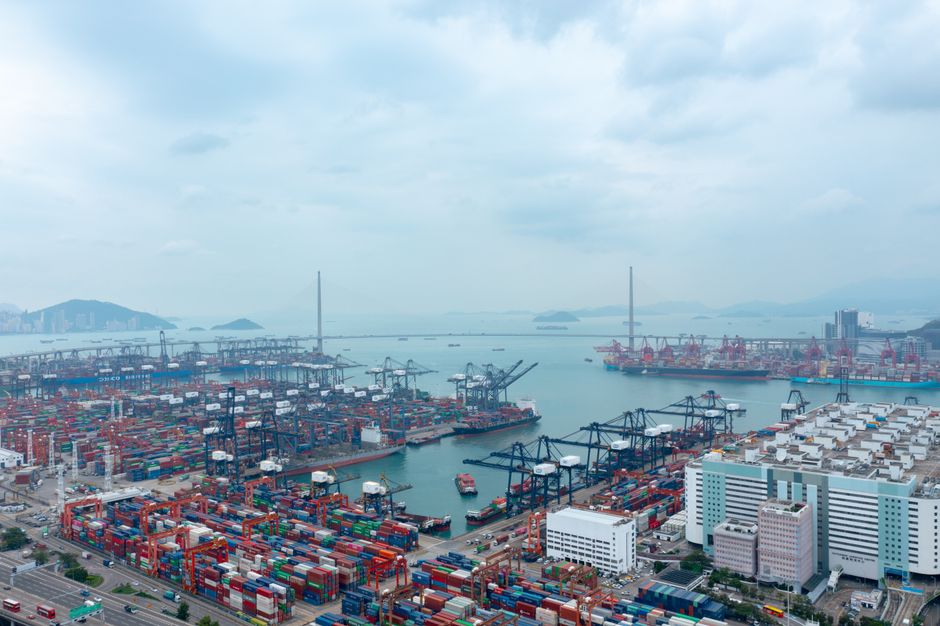
Green technology is another frontier. Several companies are finalizing hydrogen fuel cell systems designed for Hong Kong's aging bus fleet and marine vessels. Prototypes are expected to operate on harbour routes by late 2027, potentially reducing maritime emissions by 60% on those routes—a significant step for a city that still grapples with air quality issues.
The fintech scene continues evolving too. Digital banking platforms are preparing cryptocurrency custody solutions and AI-driven wealth management tools specifically licensed under Hong Kong's enhanced regulatory framework. Launch dates cluster around Q1 2027, suggesting coordinated industry timing around regulatory clarity windows.
Challenges persist. Brain drain to Singapore and the mainland remains a concern, with talent costs in Hong Kong now 15% higher than five years ago. Supply chain vulnerabilities post-pandemic have also forced companies to rethink manufacturing dependencies.
Yet optimism runs deep. The convergence of government support, international talent, and regional market proximity creates conditions unseen since the city's dot-com era. For Hong Kong's tech community, 2027 represents not just a product launch year—it's a referendum on whether the SAR can compete globally in frontier technology sectors.
This article was compiled by AI from the sources linked above and screened before publishing. See our editorial standards.