Hong Kong's Startup Gold Rush: Promise and Peril in a Venture Capital Boom
As billions flow into the city's tech ecosystem, founders and investors grapple with sustainability, ethical trade-offs, and the darker side of rapid scaling.
This article was generated by AI from the linked public sources. The Daily Hong Kong is independently owned and covers Hong Kong news free from advertiser or sponsor influence. Read our editorial standards →
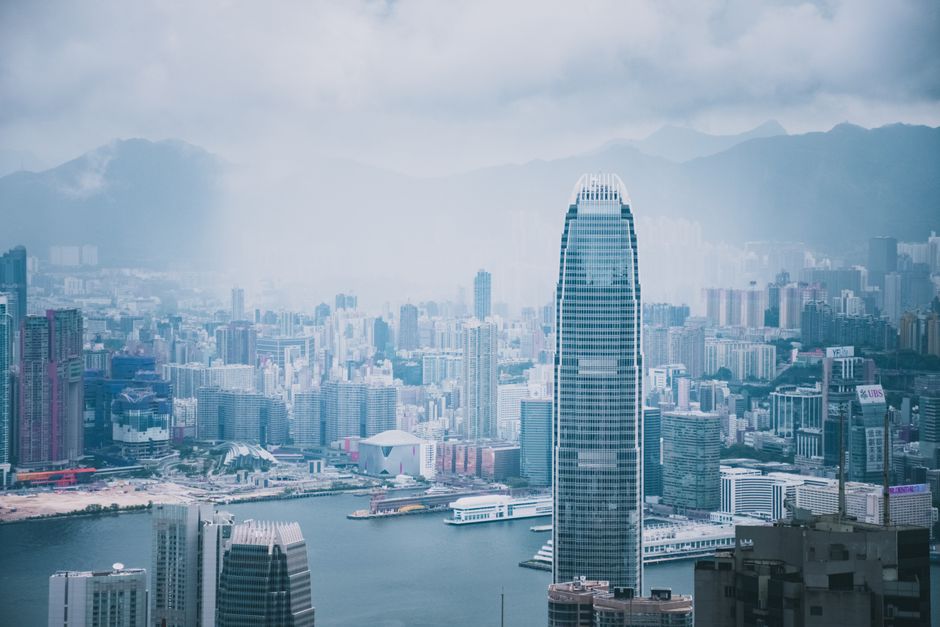
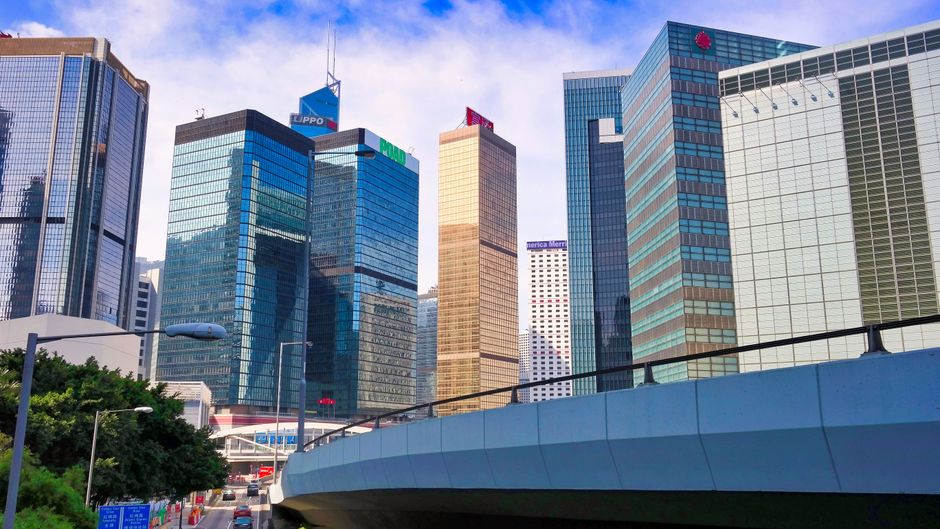
Walk through Central's Landmark district or Causeway Bay's gleaming office towers, and the startup narrative writes itself: Hong Kong's venture capital market has exploded. In 2025, the city attracted over $6 billion in VC funding—a 40% jump from three years prior—with major players establishing bases in Cyberport and the rapidly expanding Lohas Park innovation hub in Tuen Mun. The promise is undeniable: a gateway to Asian markets, deep-pocketed institutional investors, and a young talent pool hungry to build the next unicorn.
Yet beneath the celebratory headlines lurks a more complicated reality. The funding frenzy has created what some ecosystem observers call a "growth-at-all-costs mentality." Startups racing to deploy capital are often prioritising user acquisition and valuation metrics over sustainable business models. Founders report relentless pressure from VCs to scale aggressively within 18-24 months—a timeline that incentivises cutting corners on data privacy, labour practices, and regulatory compliance.
The ethical questions are mounting. Several Hong Kong fintech startups have faced scrutiny over their treatment of gig workers and contractors, who operate in grey zones between employee and freelancer status. Meanwhile, the concentration of venture capital in the hands of a few well-connected firms—often clustered around Des Voeux Road Central and the Exchange Square precinct—has raised concerns about whose ideas get funded and whose get left behind. Female founders, in particular, report securing only 13% of Hong Kong venture funding in 2025, down from 17% five years ago.
Data security presents another blind spot. As startups race to market with AI-driven consumer apps, the city's Privacy Commissioner has warned of insufficient due diligence on user data handling. Several high-profile exits have also exposed founders to significant personal liability when regulatory problems emerged post-investment.
Then there's the sustainability question. Hong Kong's startup ecosystem remains heavily dependent on external capital—particularly mainland Chinese and American institutional money. When global VC sentiment shifts, as it did sharply in 2023-2024, local founders find themselves stranded. The failure rate for VC-backed startups in Hong Kong hovers around 60%, yet the narrative rarely acknowledges this.
Industry figures and accelerators like Plug and Play and Cocoon Ventures have begun pushing back, advocating for "patient capital" models and impact-driven metrics alongside financial returns. But structural incentives are hard to rewire. Until Hong Kong's venture ecosystem values longevity and ethics as highly as explosive growth, the city's startup promise will remain hostage to the volatile cycles of global capital.
This article was compiled by AI from the sources linked above and screened before publishing. See our editorial standards.
Covering tech in Hong Kong. This article was generated by AI from the linked sources and was not reviewed by a human editor before publishing. See our editorial standards.