tech
Hong Kong's Startup Funding Boom: How VC Cheques Are Reshaping Startupland
Record capital flows into the city's tech ecosystem are turning Cyberport and Central into magnets for founders seeking Asia's next unicorn.
3 min read
Updated 5 h ago
tech
Record capital flows into the city's tech ecosystem are turning Cyberport and Central into magnets for founders seeking Asia's next unicorn.
3 min read
Updated 5 h ago
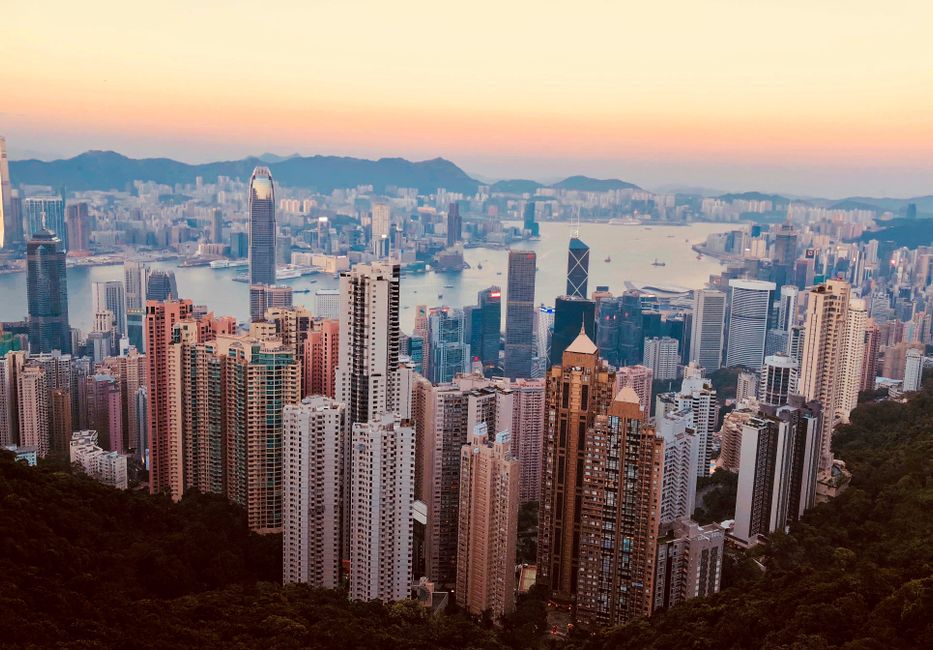
Hong Kong's venture capital landscape has undergone a seismic shift over the past 18 months, with funding commitments to local startups nearly doubling year-on-year. Data from the Hong Kong Investment Fund Association shows that VC allocations reached $2.8 billion in 2025, compared to $1.5 billion in 2024-a trajectory that is fundamentally altering how founders build companies in Asia's most mature financial hub.
The epicenter of this boom remains Cyberport, the sprawling tech park in Pok Fu Lam. Once viewed as a secondary hub compared to Shenzhen's fierce innovation engine, Cyberport now houses over 1,200 companies and has become a genuine draw for Series A and Series B funding rounds. The density of venture offices-from regional arms of Sequoia and Tiger Global to homegrown firms like Nest and Cradle-has created what founders describe as a "funding consensus loop," where deal momentum itself attracts capital.
Central's business district, historically dominated by finance and law, is seeing an unexpected secondary wave. Co-working spaces such as WeSpace and The Hive's flagship location now routinely host pitch events where founders seeking $5 million to $50 million cheques meet institutional investors. Rental rates in these zones have climbed to HK$80-100 per square foot annually, reflecting both scarcity and conviction in the sector's staying power.
Several macro factors underpin this shift. First, geopolitical anxieties have prompted some institutional capital to diversify away from mainland China into Hong Kong-registered entities-a regulatory arbitrage play that benefits the ecosystem. Second, the maturation of Hong Kong's fintech and e-commerce sectors has created a supply of serial entrepreneurs with successful exits, who now deploy capital as angel investors and micro-VCs. Third, Singapore's rising operational costs have made Hong Kong an attractive alternative for regional headquarters, drawing venture offices seeking to deploy Asia-focused mandates.
Yet challenges persist. Hong Kong's talent retention remains volatile; top engineers often cite Shenzhen's salary premiums and Singapore's visa flexibility. Early-stage founders also report that while Series A capital has become abundant, pre-seed and seed funding remain constrained outside established networks. The city's regulatory environment, though improving, still lags peers in operational agility.
Still, the numbers tell a compelling story. By mid-2026, eleven Hong Kong startups have achieved unicorn status, with SenseTime and others driving Asia's AI narrative from offices with Victoria Harbour views. For founders willing to navigate the city's complexities, Hong Kong's venture ecosystem now offers capital, networks, and regulatory clarity in measures few other Asian cities can match.
This article was compiled by AI and screened before publishing. See our editorial standards.




About this article
Published by The Daily Hong Kong
Spread the word
Daily brief
Free, in your inbox before 7am. Weekdays.
Before you go
The day's Hong Kong news in a 2-minute read. Free, weekday mornings.