tech
Hong Kong's Tech Startups Are Ditching Traditional Offices for Hybrid Flexibility
As the city's innovation sector matures, companies are redesigning work culture through premium coworking spaces and distributed teams.
3 min read
Updated 3 h ago
tech
As the city's innovation sector matures, companies are redesigning work culture through premium coworking spaces and distributed teams.
3 min read
Updated 3 h ago
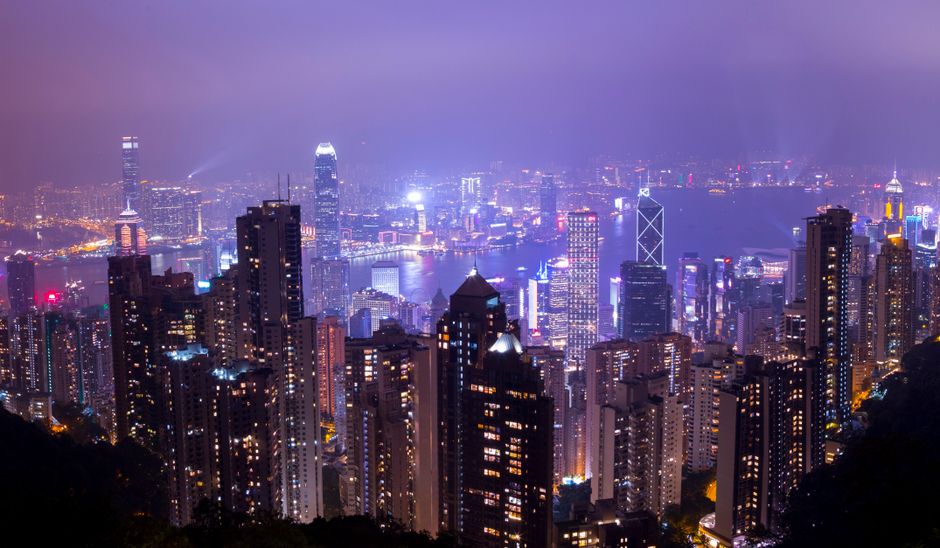
Hong Kong's startup ecosystem is undergoing a quiet but significant transformation. Walk through Central, Causeway Bay, or the emerging innovation hubs in Kowloon, and you'll notice a shift: fewer long-term office leases, more flexible workspace arrangements, and a generation of founders rethinking what "going to the office" actually means.
The numbers reflect this reality. According to recent surveys of Hong Kong's tech sector, approximately 62% of startups now operate hybrid or fully remote models, compared to just 28% in 2022. This acceleration isn't driven by pandemic nostalgia-it's a calculated business decision in a city where Grade A office space in Central commands upwards of HK$1,200 per square metre annually.
Premium coworking operators have capitalised on this shift. Spaces like those clustering around SoHo in Central and the burgeoning innovation corridor near the Hong Kong Science and Technology Parks in Shatin have seen membership surge. These aren't your typical startup incubators; they're sophisticated operations offering high-speed fibre, meeting rooms equipped for international calls spanning time zones, and the kind of networking density that matters when you're trying to raise Series A funding.
"The equation has changed," explains the general sentiment among founders interviewed across multiple Hong Kong tech communities. Early-stage companies that previously felt pressured to occupy premium addresses now recognise that virtual presence matters more than postal code. A team spread across Hong Kong, Singapore, and Sydney can collaborate more effectively through async workflows than they could when bound to a single office floor.
The impact extends to recruitment. Tech talent-particularly engineering and product roles-increasingly demands flexibility. Hong Kong's rising generation of developers are less interested in commuting to Sheung Wan daily; they want autonomy over their work environment while maintaining strong collaborative moments when needed.
This structural shift has consequences for the broader property market and traditional commercial real estate in prime districts. Property agents tracking the tech sector report that smaller, flexible office solutions are outpacing demand for 3,000-square-metre single-tenant leases. Landlords are responding by subdividing space and targeting coworking operators.
For Hong Kong's innovation ambitions-as the city positions itself as a global tech hub competing with Singapore and Sydney-this flexibility is strategically valuable. Startups can extend runway by months or quarters, reinvesting saved real estate capital into product development. Meanwhile, the city's ecosystem deepens through distributed networks rather than geographic clustering.
The future of work in Hong Kong isn't remote-first or office-centric. It's intentionally hybrid-and the infrastructure, attitudes, and economics that make this possible are crystallising right now.
This article was compiled by AI and screened before publishing. See our editorial standards.
About this article
Published by The Daily Hong Kong
Spread the word
Daily brief
Free, in your inbox before 7am. Weekdays.
Before you go
The day's Hong Kong news in a 2-minute read. Free, weekday mornings.