Hong Kong's AI Roadmap: What's Coming Next for Business Innovation
As the city positions itself as Asia's AI hub, startups and enterprises are banking on a wave of new tools and platforms launching through 2027.
3 min read
Updated 10 h ago
As the city positions itself as Asia's AI hub, startups and enterprises are banking on a wave of new tools and platforms launching through 2027.
3 min read
Updated 10 h ago

Hong Kong's artificial intelligence sector is entering a critical acceleration phase, with dozens of locally-based companies and international firms unveiling product roadmaps that could reshape how the city's businesses operate. From fintech innovation in Central to logistics optimization in the New Territories, the next eighteen months will define whether Hong Kong can maintain its competitive edge in the region's AI race.
The Hong Kong Science and Technology Parks Corporation reported in May that AI-focused startups now represent 18% of all tenant companies—up from just 8% in 2023. Many are preparing launches that go beyond existing chatbots and image generators. Companies clustered around Cyberport in Lei Teng are developing specialized tools for Hong Kong's unique business challenges: supply chain visibility for manufacturers exporting to Southeast Asia, multilingual customer service platforms handling Cantonese, Mandarin, and English simultaneously, and real-time risk assessment tools for the city's complex regulatory environment.
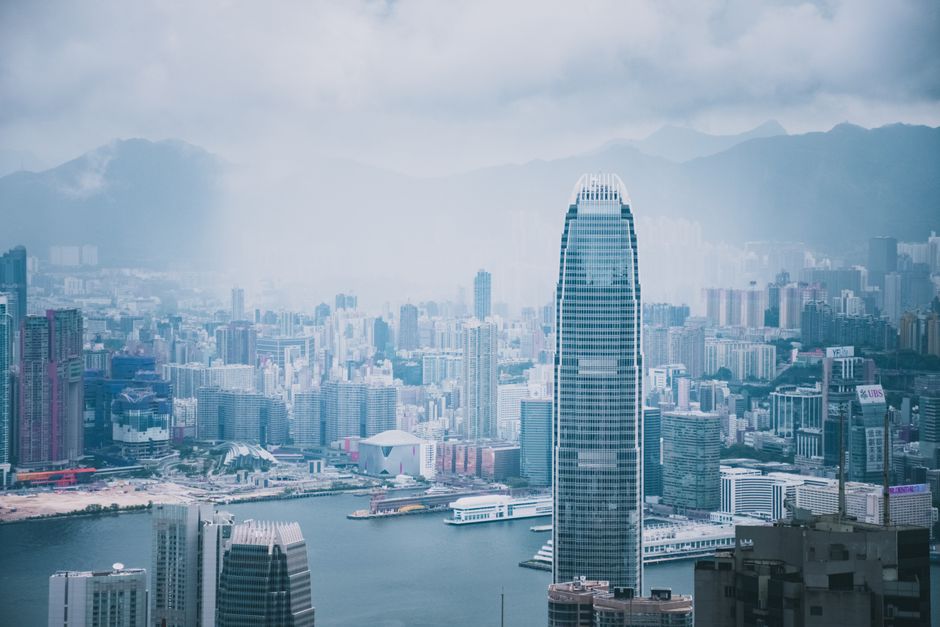
In the banking sector, at least four Hong Kong-based fintech firms have announced AI-driven credit decisioning systems launching before year-end, targeting the underserved SME market. One startup operating from an office near Causeway Bay MTR station is building a platform specifically designed to analyze the financial health of traditional family businesses—firms that struggle with conventional lending algorithms because they lack formal accounting structures.
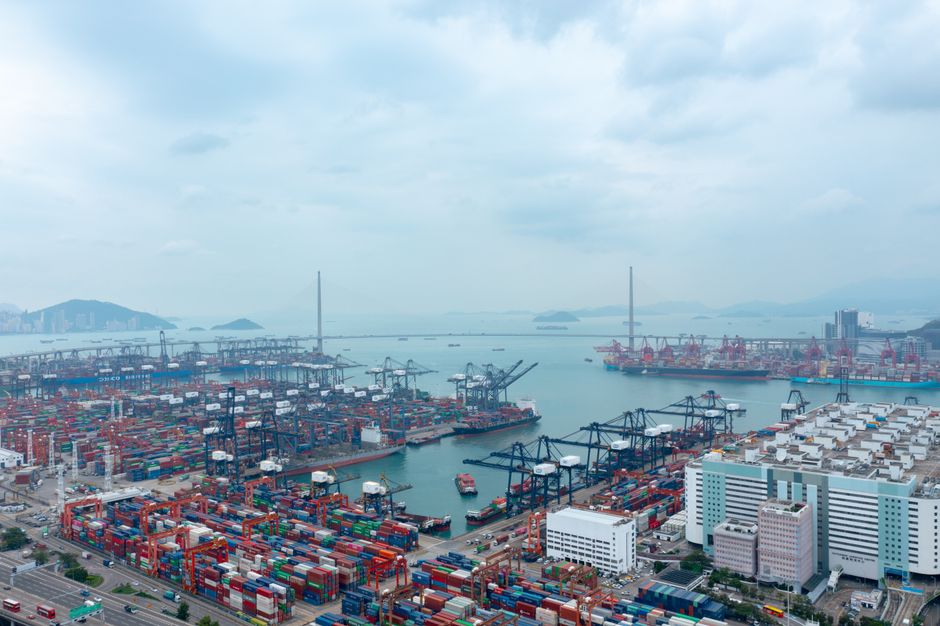
The Port of Hong Kong Authority has also signaled support for autonomous cargo management systems being trialed by at least two local tech teams. If successful, these could reduce container processing times by up to 30%, a significant advantage as Singapore and Shanghai intensify competition for regional shipping supremacy.
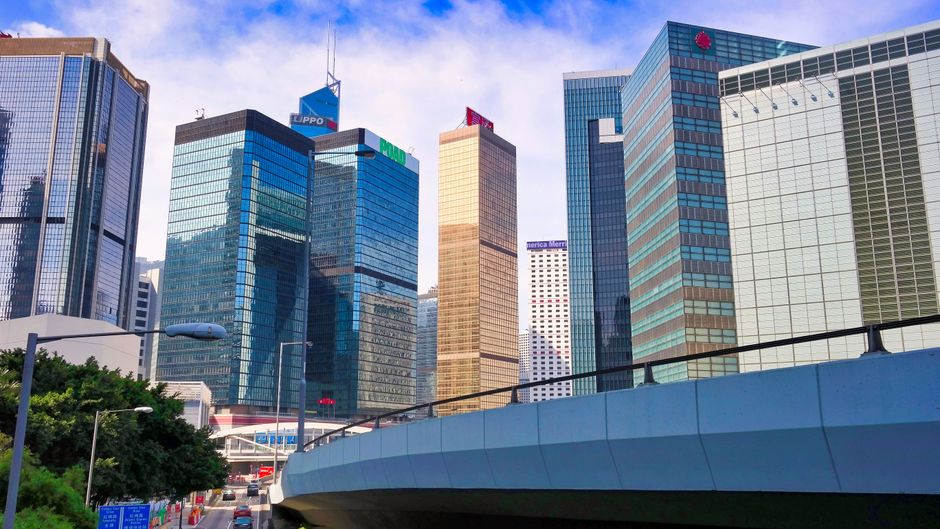
Real estate technology presents another frontier. With property prices averaging HK$32,000 per square meter in prime districts like Wan Chai, landlords and property managers are increasingly turning to AI-powered valuation and tenant-matching platforms. Several developers are embedding predictive maintenance AI directly into smart building management systems across their portfolios.
However, challenges persist. Talent acquisition remains costly—AI engineers in Hong Kong command salaries roughly 20% higher than regional peers. Data privacy concerns under Hong Kong's Personal Data Protection Ordinance are slowing adoption in healthcare and financial services. And regulatory clarity around AI liability is still evolving.
Still, the momentum is unmistakable. The government's HK$500 million AI development fund, launched two years ago, is nearing the allocation stage for Phase Two projects. By early 2027, expect to see tangible products—not just prototypes—transforming how Hong Kong companies compete globally.
This article was compiled by AI from the sources linked above and screened before publishing. See our editorial standards.
About this article
Published by The Daily Hong Kong
Spread the word
Daily brief
Free, in your inbox before 7am. Weekdays.
Before you go
The day's Hong Kong news in a 2-minute read. Free, weekday mornings.