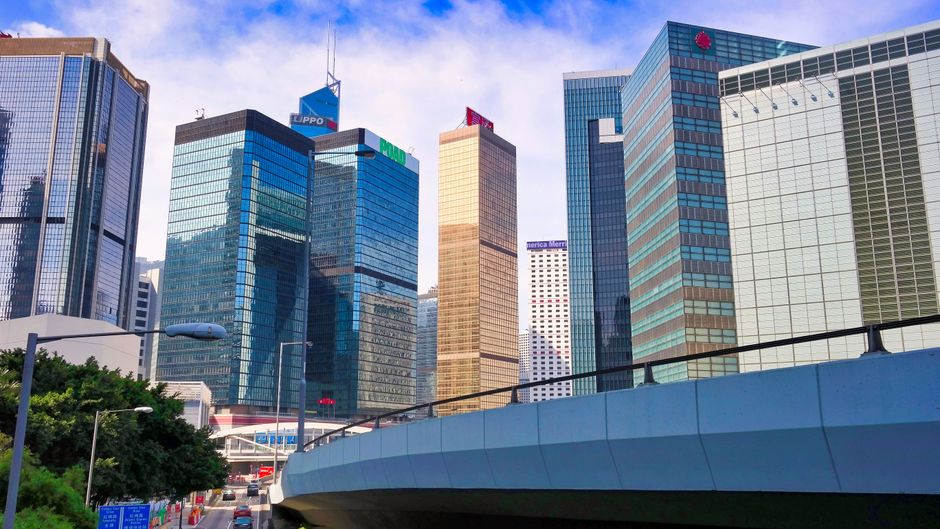
Walk through Central's gleaming office towers or Sheung Wan's converted warehouses, and you'll find the engine room of Hong Kong's startup boom: venture capital firms betting billions on technology that touches everyday life.
The shift is tangible. Take mobility. Five years ago, Hong Kong's notorious traffic congestion seemed immovable. Today, a string of locally-funded startups—backed by firms like Sequoia China and local VCs operating from offices in Quarry Bay—have introduced AI-powered traffic prediction systems used by minibus operators across the New Territories. The impact: a reported 12% reduction in average commute times on key routes between Sha Tin and the urban core.
Housing, perpetually Hong Kong's most painful pressure point, is seeing similar disruption. A Venture Capital-backed proptech firm based in Cyberport has raised $18 million to deploy blockchain-verified property records and automated valuation models. For residents in Mong Kok and Wong Tai Sin, where property disputes have historically dragged through courts for years, the technology promises faster, cheaper transactions—a genuine quality-of-life improvement in a city where median property prices remain stratospheric.
The venture ecosystem itself reflects Hong Kong's maturity. Total VC funding hit $11.2 billion in 2025, with roughly 35% flowing to firms addressing local needs rather than global markets. That capital concentration matters: it means startups can afford to deeply understand Kowloon's elderly population, or the logistical nightmares facing wet-market vendors in Ap Lei Chau, rather than importing one-size-fits-all solutions.
Healthcare represents perhaps the most intimate shift. Several venture-backed telemedicine and eldercare AI platforms—many operating from the Hong Kong Science and Technology Parks in Tai Po—are now integrated into public housing estates' health networks. For residents in aging communities like Tseung Kwan O, remote monitoring and AI diagnostic assistance mean fewer rushed trips to already-overwhelmed public hospitals.
But the story isn't purely celebratory. Local founders and investors acknowledge that venture capital's hunger for scale sometimes conflicts with Hong Kong's hyper-local realities. A 2025 survey found that 62% of residents felt disconnected from the startup boom's benefits—a reality check for an ecosystem still learning to balance global ambitions with hyperlocal impact.
Still, as venture capital firms continue opening regional hubs along Des Voeux Road and beyond, the momentum is undeniable. Hong Kong's startups aren't just chasing valuations anymore. They're solving for the 7.5 million people living here.
This article was compiled by AI from the sources linked above and screened before publishing. See our editorial standards.