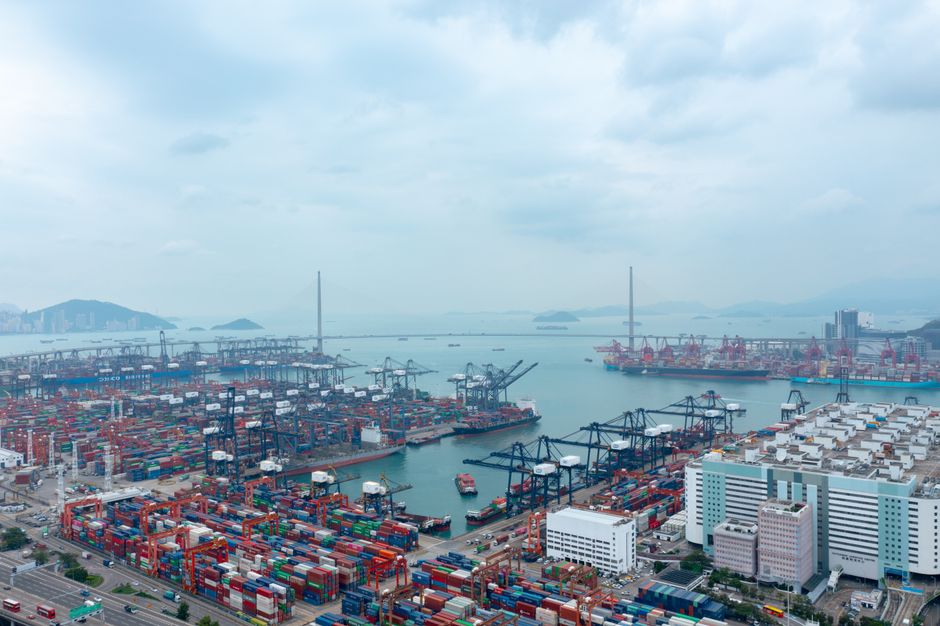
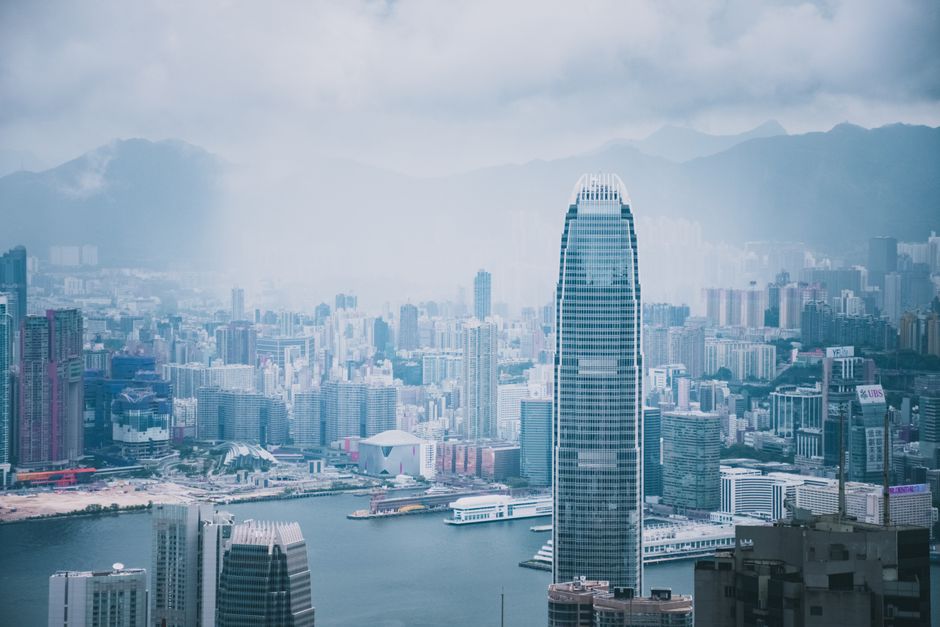
Walk through Cyberport in Aberdeen on any given Tuesday, and you'll encounter founders solving problems most Silicon Valley engineers haven't even noticed. A startup is optimising port logistics to cut shipping emissions by 40%. Another is building AI-driven building management systems for the 7.5 million people crammed into this vertical city. This is Hong Kong's distinctive advantage in green tech—proximity to urgent, scalable problems.
"Hong Kong doesn't have the luxury of imagining sustainability," explains the ecosystem. The city generates roughly 1.35 million tonnes of waste annually. Energy costs for commercial real estate hover around HK$2.50 per square foot monthly. These constraints don't inhibit innovation; they accelerate it. Startups here build products that work in the world's densest urban laboratories before exporting solutions to less pressurised markets.
The numbers tell the story. Hong Kong's clean tech funding reached approximately HK$4.2 billion in 2025, a 34% increase year-on-year. Yet what distinguishes this growth isn't venture capital alone—it's the ecosystem's structural composition. Unlike San Francisco's consumer-focused narrative, Hong Kong's green tech scene bridges three critical worlds: Chinese manufacturers needing decarbonisation pathways, Southeast Asian cities hungry for proven solutions, and global corporations seeking regional ESG credentials.
Consider the geographic advantage. Companies incubated at Hong Kong Science and Technology Parks in Sha Tin can pilot in the city within months, then scale across the Greater Bay Area's 70 million people within quarters. A solar efficiency startup raising Series A here isn't choosing between one market and another—it's gaining access to multiple simultaneous markets without relocating.
The talent pool reflects this too. Hong Kong attracts engineers from mainland China seeking international exposure, expatriates embedded in regional networks, and local talent schooled in both Chinese and Western business norms. This trilingual, bicultural workforce develops products that work in Shenzhen factories and Singapore boardrooms alike.
Yet challenges remain. Regulatory frameworks still lag behind innovation velocity. Land constraints limit hardware prototyping space. And the city's financial services dominance means green tech founders must work harder to attract institutional attention than their fintech peers.
Still, by mid-2026, the trajectory is unmistakable. Hong Kong's green tech ecosystem succeeds not by mimicking American innovation culture, but by exploiting its singular position: a global city embedded within Asia's manufacturing heartland, facing acute environmental pressures, with capital and talent ready to solve them. That convergence is increasingly rare—and increasingly valuable.
This article was compiled by AI from the sources linked above and screened before publishing. See our editorial standards.