Why Hong Kong's Tech Ecosystem Stands Apart: The Hybrid Model That's Reshaping Asia's Innovation Landscape
Unlike Silicon Valley or Shenzhen, Hong Kong has carved a distinct identity by blending deep capital reserves, regulatory pragmatism, and cross-border infrastructure that no other hub can replicate.
This article was generated by AI from the linked public sources. The Daily Hong Kong is independently owned and covers Hong Kong news free from advertiser or sponsor influence. Read our editorial standards →
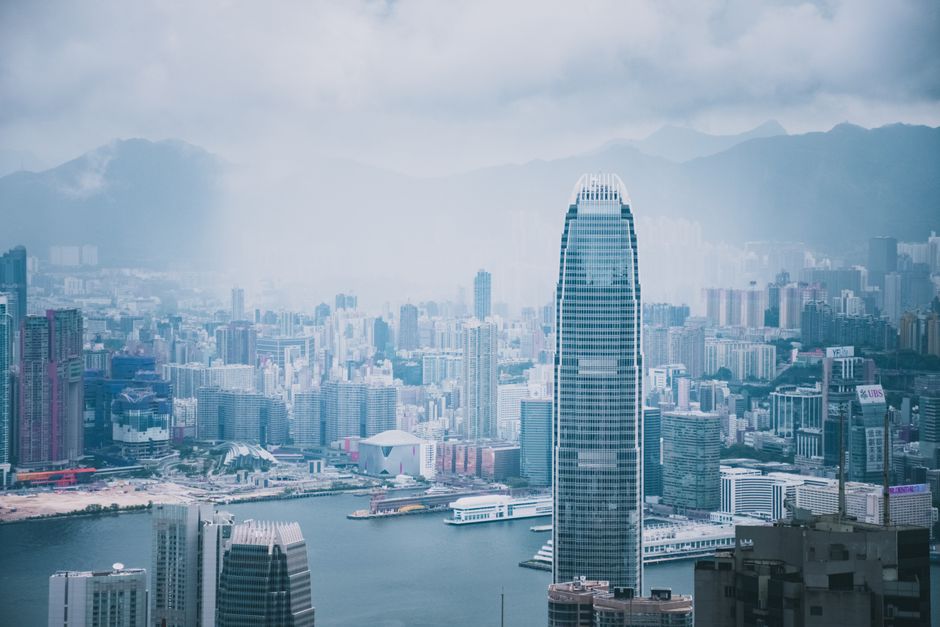
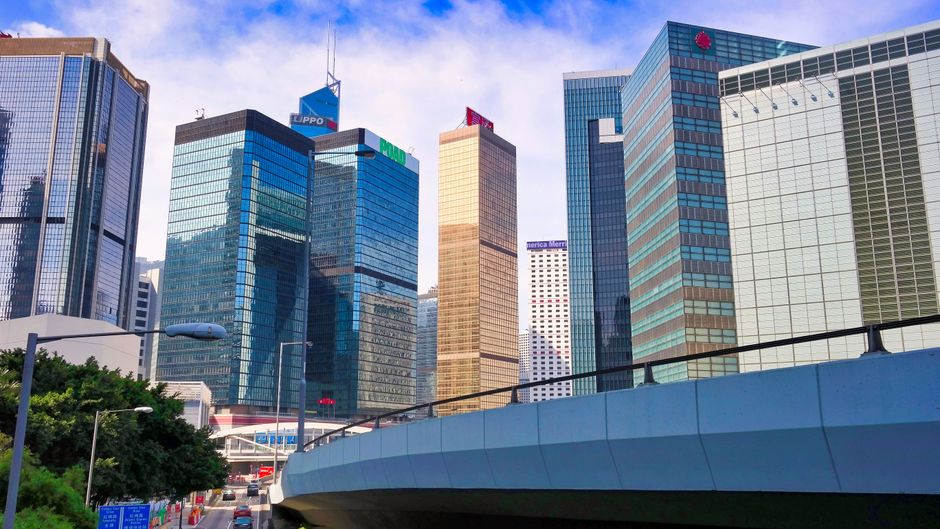
Walk through Central's gleaming office towers or venture into the converted warehouses of Fotan, and you'll notice something that sets Hong Kong's tech scene apart from its regional peers: a deliberately hybrid approach that leverages Western business practices, Chinese market access, and Asian venture appetite in ways competitors struggle to match.
The numbers tell part of the story. Hong Kong's venture capital funding reached HK$28.5 billion in 2025, according to industry trackers—modest compared to Beijing or Shanghai, but with a crucial difference. Nearly 40% of that capital comes from family offices and institutional investors from Southeast Asia, India, and the Middle East, giving Hong Kong startups access to capital sources largely untapped by Shenzhen rivals caught in mainland regulatory crosswinds.
"We're not trying to be the next Shenzhen or Singapore," explains the tech ecosystem here. Instead, firms increasingly position Hong Kong as a gateway city—a place where companies can test business models with both Western compliance frameworks and Chinese-market sophistication before scaling regionally. This is visible in clusters like Cyberport in Aberdeen, where over 1,200 tech companies now operate, many of them intentionally dual-headquarters firms with one foot in Hong Kong's regulatory clarity and another in mainland supply chains.
The distinctive advantage crystallizes around three factors. First: Hong Kong's unique position as a semi-autonomous financial hub with independent legal systems means international tech companies can establish Asia-Pacific headquarters here without the data localization requirements that constrain operations in Beijing or Shanghai. Second: the city's established banking and fintech infrastructure—built over decades—allows deeptech founders easier access to institutional capital than equivalently-sized startups in Bangalore or Bangkok. Third: proximity to Shenzhen's hardware expertise combined with Hong Kong's English-language business culture creates a rare bridge between Western investors seeking China exposure and Chinese manufacturers seeking international legitimacy.
This ecosystem maturity shows in the types of companies thriving here. Rather than consumer apps, Hong Kong increasingly concentrates in enterprise software, biotech, semiconductor design, and climate tech—sectors where regulatory credibility and capital access matter more than being first-to-market with the flashiest product.
The catch? Mounting competition from regional hubs with cheaper talent costs, combined with persistent regulatory uncertainty around data transfers and cross-border digital services. Yet for now, Hong Kong's distinctive identity—neither Western nor purely Chinese, neither pure startup chaos nor bureaucratic constraint—remains irreplaceable for a specific class of ambitious Asian company.
This article was compiled by AI from the sources linked above and screened before publishing. See our editorial standards.
Covering tech in Hong Kong. This article was generated by AI from the linked sources and was not reviewed by a human editor before publishing. See our editorial standards.