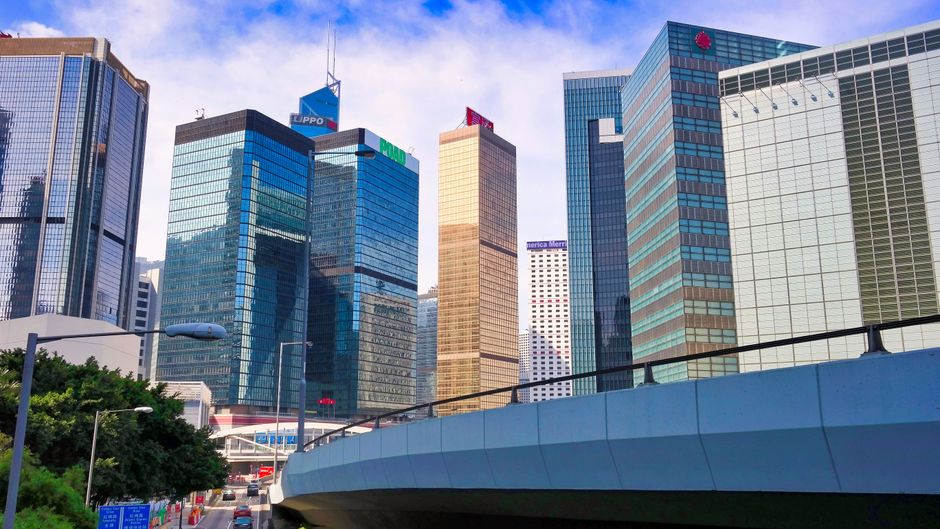
Walk into the bustling offices of SenseFlow, tucked on the 23rd floor of a nondescript building on Des Voeux Road Central, and you'll find something quietly revolutionary happening in Hong Kong's tech underbelly. The startup, which launched in February 2024, has just announced a Series A funding round of HK$180 million—a figure that underscores growing confidence in AI-driven supply chain solutions amid regional economic uncertainty.
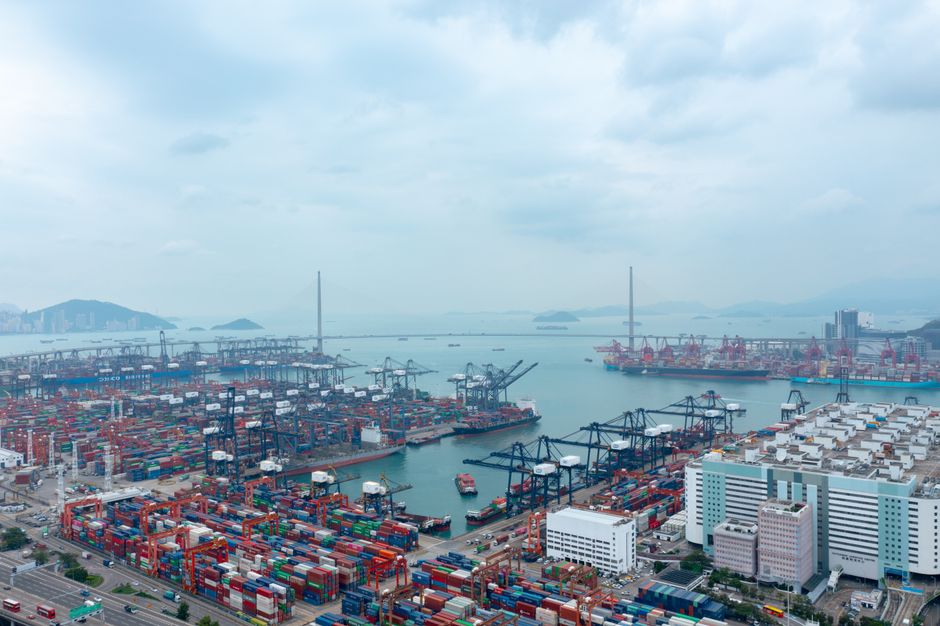
The company's core innovation is deceptively elegant: computer vision systems coupled with machine learning algorithms that monitor cargo movement across Hong Kong's port facilities in real time. By analysing vessel schedules, weather patterns, and historical throughput data, SenseFlow's platform predicts bottlenecks days in advance, allowing logistics firms to reroute shipments or adjust warehouse operations before delays cascade through their networks.
The impact is measurable. Early adopters—including a major e-commerce retailer operating from Kwun Tong and three regional freight forwarders based near the container terminal in Tsing Yi—have reported 35 to 40 per cent reductions in cargo dwell time. For a business moving hundreds of containers monthly through Hong Kong's port, which handles roughly 18 million TEUs annually, that translates to savings in the millions of dollars.
What makes SenseFlow locally significant is its focus on a pain point uniquely acute in Hong Kong. Our city remains a critical transshipment hub, yet our port infrastructure—despite world-class reputation—faces mounting pressure from congestion, climate volatility, and unpredictable shipping schedules. Traditional logistics operators still rely heavily on manual tracking and spreadsheet-based forecasting, a vulnerability that increasingly costs them competitively.
The startup's founders, a mixture of ex-CLP engineers and logistics veterans, recognised the gap. Their platform integrates data from port authorities, shipping lines, and warehouse management systems, creating a unified intelligence layer that talks directly to clients' existing software through open APIs.
Pricing starts at HK$80,000 monthly for mid-sized operators, with larger enterprises negotiating custom terms. It's not trivial, but the ROI case is compelling in a market where a single day's delay on a container can cost HK$15,000 or more in opportunity losses.
SenseFlow is not alone—competitors like Singapore's Project44 and Shanghai-based startups are pursuing similar angles. But their foot-on-the-ground presence in Hong Kong, combined with deep relationships across our port community, gives them distinct advantage. As regional supply chains fragment and reshoring pressures mount, the company that best predicts and prevents disruption will capture disproportionate value. SenseFlow looks positioned to be that player.
This article was compiled by AI from the sources linked above and screened before publishing. See our editorial standards.