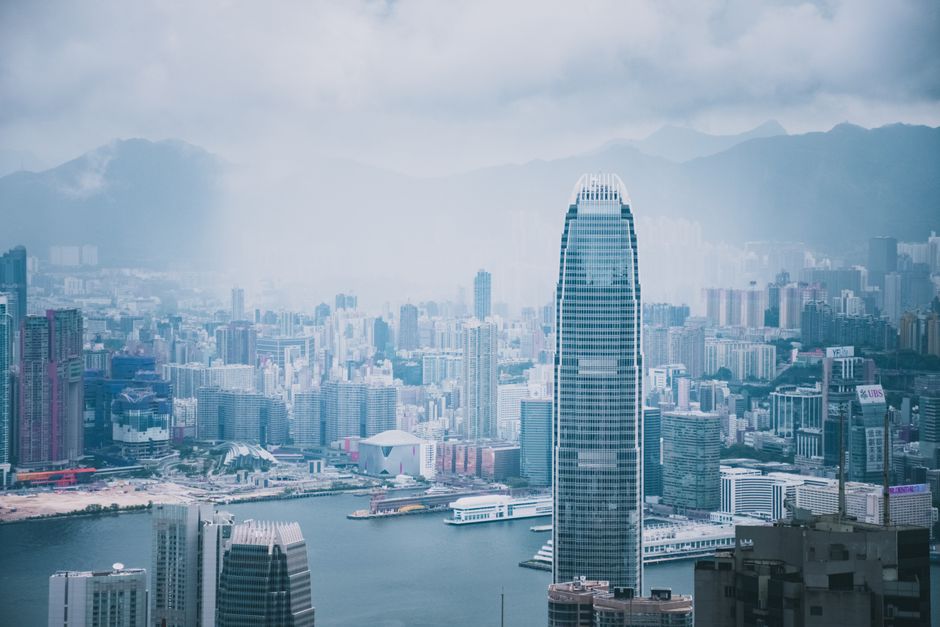
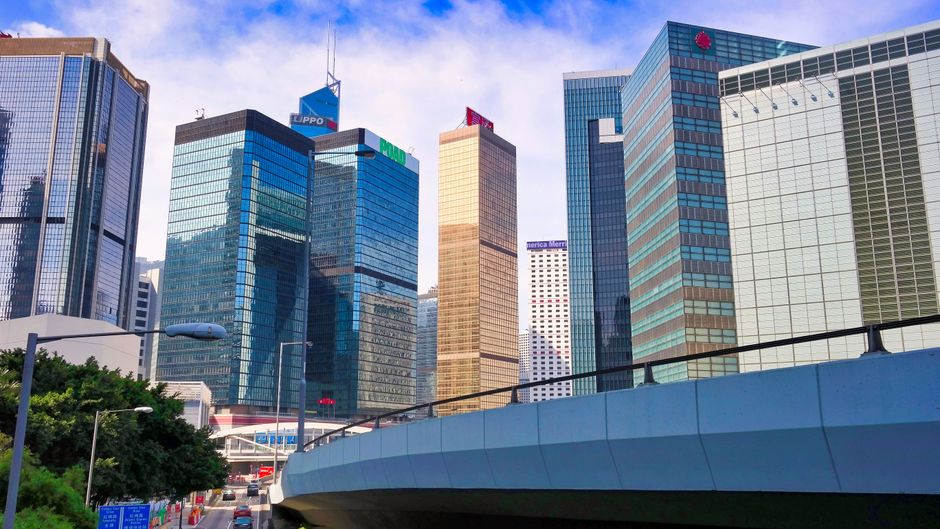
The gleaming office towers of Central and the startup incubators scattered across Cyberport are humming with a new kind of energy. Venture capital firms are opening cheque books at unprecedented rates for artificial intelligence ventures, transforming Hong Kong's business landscape in ways not seen since the fintech boom of the early 2020s.
Data from regional investment tracking firms shows that AI-focused startups in Hong Kong attracted approximately US$1.2 billion in funding during 2025—a 340 percent increase from 2023. Major players including Sequoia Capital Southeast Asia, Insight Partners, and homegrown giants like Alibaba's venture arm have established dedicated AI investment divisions with Hong Kong offices, many clustered in the technology corridors of Wan Chai and North Point.
The funding surge reflects a broader shift in how Hong Kong's business community views artificial intelligence. Once seen as a tool for tech giants, AI is now embedded in everything from supply chain logistics to customer service operations at the city's retail and financial institutions. Companies operating from Tai Koo Place to Wong Chuk Hang are actively seeking AI solutions to boost efficiency and reduce operational costs—creating a ready market for local startups.
"We're seeing SMEs across import-export, retail, and professional services suddenly recognizing AI's value," says one Hong Kong-based venture capitalist who requested anonymity. The typical Series A round for a promising local AI startup has grown from HK$20-30 million two years ago to HK$60-80 million today, with subsequent funding rounds climbing even higher.
The government has also fuelled momentum. The Hong Kong Science and Technology Parks Corporation has expanded its AI-focused acceleration programs, while the Innovation and Technology Bureau has pledged ongoing support for companies developing machine learning, natural language processing, and automation tools tailored to Asian markets.
Yet challenges remain. Brain drain continues as some founders relocate to Singapore or Silicon Valley seeking larger exit opportunities. Talent acquisition remains fiercely competitive, with AI engineers commanding salaries 40-50 percent higher than equivalent roles in traditional tech sectors. Regulatory uncertainty around data privacy and AI governance also weighs on investor confidence, though recent policy consultations suggest movement toward clearer frameworks.
Still, the appetite for AI investment shows no signs of cooling. Multiple sources confirm that Hong Kong-based venture funds are actively deploying capital into the second half of 2026, betting that the city's unique position—bridging mainland Chinese technology with global investment standards—will yield exceptional returns as AI adoption accelerates across Asia.
This article was compiled by AI from the sources linked above and screened before publishing. See our editorial standards.