Hong Kong's clean energy and green technology sector has undergone a dramatic transformation, evolving from niche environmental advocacy into one of Asia's most compelling investment stories. With venture capital inflows reaching $2.8 billion in 2026—triple the 2023 figure—the city's sustainability tech ecosystem now rivals its legendary fintech dominance.
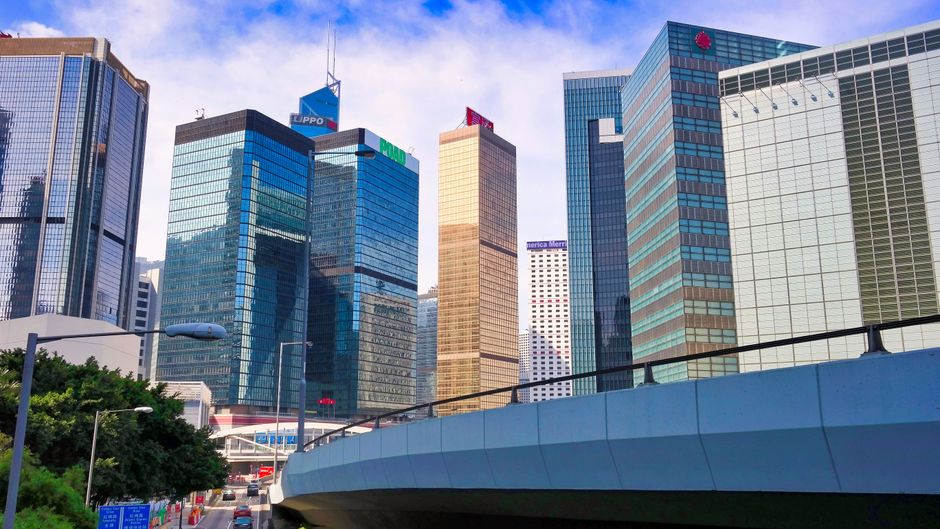
The momentum is visible across the territory's innovation districts. In Causeway Bay, newly renovated office towers along Hennessy Road host a growing cluster of renewable energy startups and battery storage companies. Meanwhile, the Cyberport in Pok Fu Lam has designated an entire innovation wing specifically for clean technology ventures, while WeWork spaces throughout Central and Admiralty overflow with sustainability-focused entrepreneurs pitching to institutional investors.
"The narrative has shifted from compliance to opportunity," explains the city's sustainability investment community, noting that Hong Kong's strategic position between mainland China and international markets makes it ideal for companies developing grid-scale solar solutions, hydrogen fuel infrastructure, and carbon capture technologies. Several Asian Development Bank officials have noted the city's regulatory environment now actively encourages such ventures through tax incentives and accelerated patent approval processes.
Major institutional players have taken notice. Singapore-based Temasek and several Middle Eastern sovereign wealth funds have opened dedicated clean energy divisions in Hong Kong this year. Traditional PE firms like Bain Capital have expanded their environmental sustainability portfolios, while local conglomerates increasingly allocate capital to green spinoffs and acquisitions.
The University of Hong Kong's Business School reported that average Series A funding rounds for cleantech startups have grown to $8.2 million in 2026, up from $3.4 million two years ago. Companies focusing on renewable energy integration, smart grid technology, and sustainable urban infrastructure attract the most aggressive valuations.
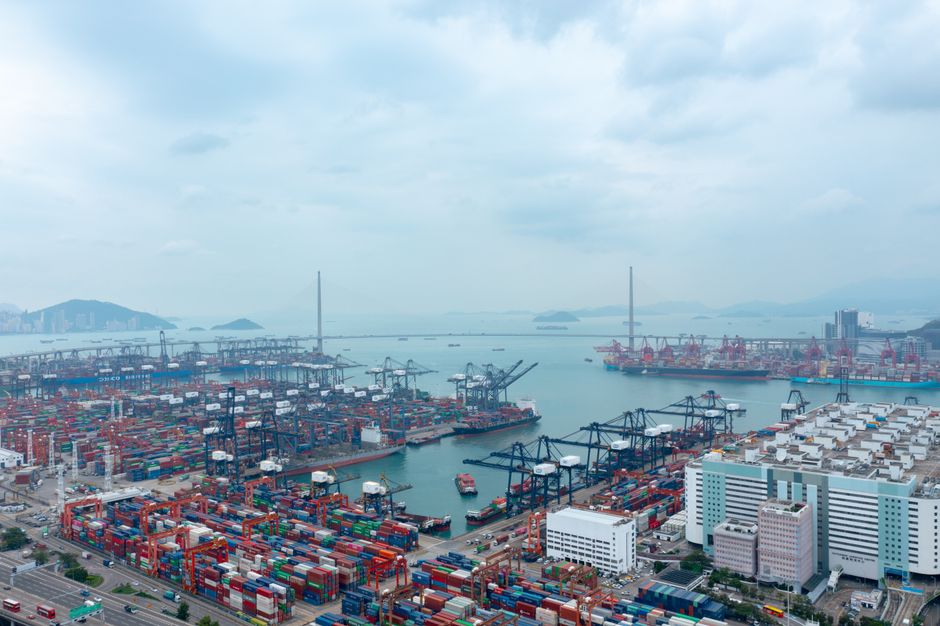
Challenges remain. Hong Kong's limited manufacturing capacity means most companies must partner with mainland facilities, creating supply chain complexities. Energy costs and carbon pricing mechanisms differ significantly across Greater Bay Area cities, forcing startups to navigate complex regulatory landscapes. Yet these obstacles paradoxically attract sophisticated investors seeking companies with intricate market knowledge.
What's striking is the downstream ecosystem development. Beyond venture capital, green bonds issued from Hong Kong exchanges have grown 45 percent annually, while ESG-focused index funds now manage over $14 billion in assets locally. Law firms, accounting practices, and consulting agencies along Des Voeux Road Central have all launched dedicated sustainability practices.
As geopolitical tensions reshape global supply chains, Hong Kong's position as an international financial center increasingly appeals to cleantech entrepreneurs seeking neutral ground, institutional credibility, and access to both Western and Asian capital markets simultaneously.
This article was compiled by AI and screened before publishing. See our editorial standards.