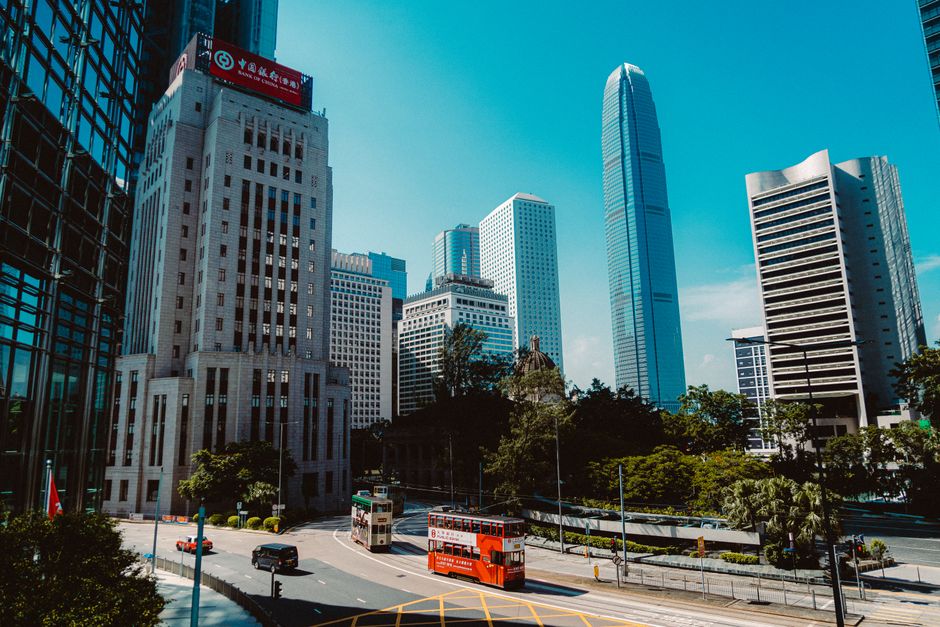
Walking through Central's bustling streets or queuing at the Licensing Office in Wan Chai, Hong Kong residents increasingly encounter the invisible machinery of the city's digital transformation. The Smart City Blueprint, launched in phases since 2017, has quietly become woven into the fabric of everyday life—from the moment commuters check the MTR app to their evening stroll through Causeway Bay.
The progress is measurable. The Government's Smart Lampposts initiative has installed over 600 intelligent street lights across Hong Kong, beginning with the Eastern Corridor and expanding into districts like Mong Kok and Sham Shui Po. These aren't merely brighter bulbs; they collect real-time data on traffic flow, air quality, and humidity, feeding algorithms that adjust traffic signal timing. Commuters report journey times from Admiralty to Causeway Bay have reduced by an average of 8-12 minutes during peak hours, according to Transport Department metrics released in early 2026.
The shift extends deeper into civic life. The newly revamped e-Services portal—redesigned last year—now processes roughly 60% of government applications online, from vehicle registration to business licenses. Residents report average processing times have dropped from 5-7 working days to 2-3 days for standard applications. A visit to any District Council office in Wan Chai or Kwun Tong reveals fewer paper forms and longer video-call consultation booths for residents seeking assistance.
Public transport integration tells a similar story. The Octopus card ecosystem now meshes seamlessly with real-time crowd-density apps and predictive maintenance systems that alert the MTR when a train approaching Admiralty Station requires inspection. Commuters planning trips through the Kowloon Tong interchange can view live boarding information three stops ahead, reducing platform congestion.
Healthcare delivery has also shifted. The Hospital Authority's digital patient records system, expanded across Queen Mary Hospital and Tuen Mun Hospital, has reduced appointment wait times by an estimated 15-20% since 2024. Residents can now receive prescription updates via WhatsApp rather than queuing at pharmacy counters in Causeway Bay shopping malls.
Yet challenges persist. Elderly residents in Sai Wan Ho and Lam Tin still struggle with app-centric services, prompting district councils to maintain hybrid systems. Privacy concerns regarding street-level data collection have sparked debate among Civic Exchange and digital rights groups.
The transformation remains ongoing. By 2027, officials project that 70% of routine government services will be fully digital. For millions navigating Hong Kong's dense urban landscape, that future is already arriving.
This article was compiled by AI from the sources linked above and screened before publishing. See our editorial standards.