Hong Kong's startup scene pivots hard on AI as funding dries up elsewhere
With global venture capital cooling, local founders in Cyberport and Beyond are doubling down on artificial intelligence to survive—and compete.
3 min read
Updated 10 h ago
With global venture capital cooling, local founders in Cyberport and Beyond are doubling down on artificial intelligence to survive—and compete.
3 min read
Updated 10 h ago
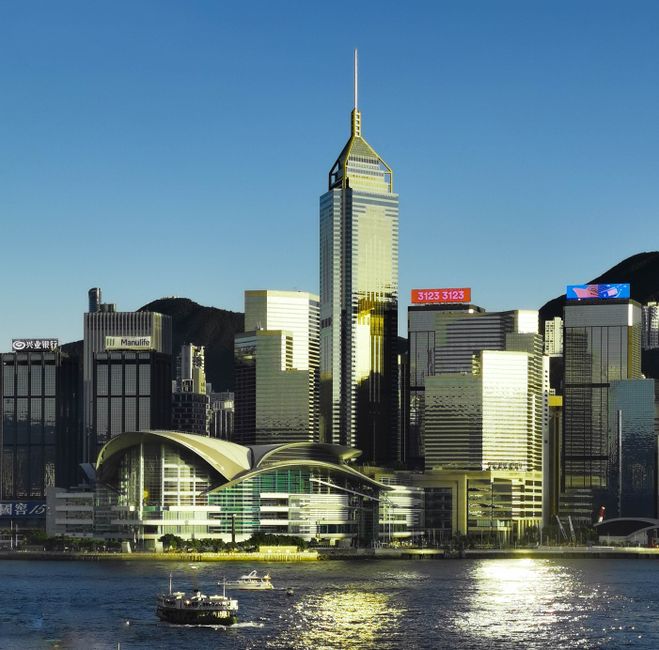
The mood in Hong Kong's tech corridors has shifted noticeably. Walk through the gleaming towers of Cyberport in Aberdeen or the converted industrial spaces of Kowloon Bay's tech hubs, and you'll hear the same refrain from founders: AI is no longer optional, it's survival.
The numbers tell a stark story. Hong Kong venture capital investment dropped 34% year-on-year in the first quarter of 2026, according to data from the Hong Kong Venture Capital and Private Equity Association. Yet within that contraction, AI-focused startups have bucked the trend, capturing roughly 42% of available funding—more than double their share two years ago. Companies building AI solutions for logistics, fintech and healthcare are drawing serious attention from both local and international investors despite the broader funding winter.
"We're seeing founders who were building consumer apps pivot overnight," says one investment director at a Sheung Wan-based venture firm, speaking on condition of anonymity. "If you're not solving a business problem with AI, you're dead in the water right now."
The shift is reshaping what gets funded and where. Cyberport's latest cohort of 15 startups includes eleven with explicit AI components. The Hong Kong Science and Technology Parks Corporation has doubled down on AI-related grants, with the Innovation and Technology Fund allocating HK$200 million specifically for machine learning and automation projects in the past fiscal year.
But the pivot comes with brutal consequences for founders caught in transition. Several consumer-focused startups in the Kowloon Bay creative cluster have quietly wound down operations, unable to adapt their business models quickly enough. A handful of e-commerce and lifestyle app developers that once attracted millions in Series A funding now struggle to secure bridge financing.
The pressure extends to talent. Salaries for machine learning engineers in Hong Kong have climbed 23% since 2024, with mid-level positions now commanding HK$600,000 to HK$1 million annually. This brain drain to Singapore and the Bay Area remains a constant headache for local founders trying to scale.
What's intriguing, though, is Hong Kong's emerging advantage: its position as a bridge between Western tech standards and the China market. Several AI startups are quietly leveraging their dual-market access to build tools for supply chain optimization and financial services—sectors where Hong Kong's regulatory credibility matters enormously.
For now, the message from Cyberport to Kowloon Bay is clear: innovate with AI, or fade away. Whether that pressure breeds brilliant new companies or burnout remains to be seen.
This article was compiled by AI from the sources linked above and screened before publishing. See our editorial standards.
About this article
Published by The Daily Hong Kong
Spread the word
Daily brief
Free, in your inbox before 7am. Weekdays.
Before you go
The day's Hong Kong news in a 2-minute read. Free, weekday mornings.