Walk into any coworking space across Central or Causeway Bay these days and you'll notice something has shifted. Gone are the days when remote work was a pandemic afterthought. Today, Hong Kong's tech startups are making deliberate, strategic choices about where and how their teams collaborate—and the infrastructure supporting this shift is booming.
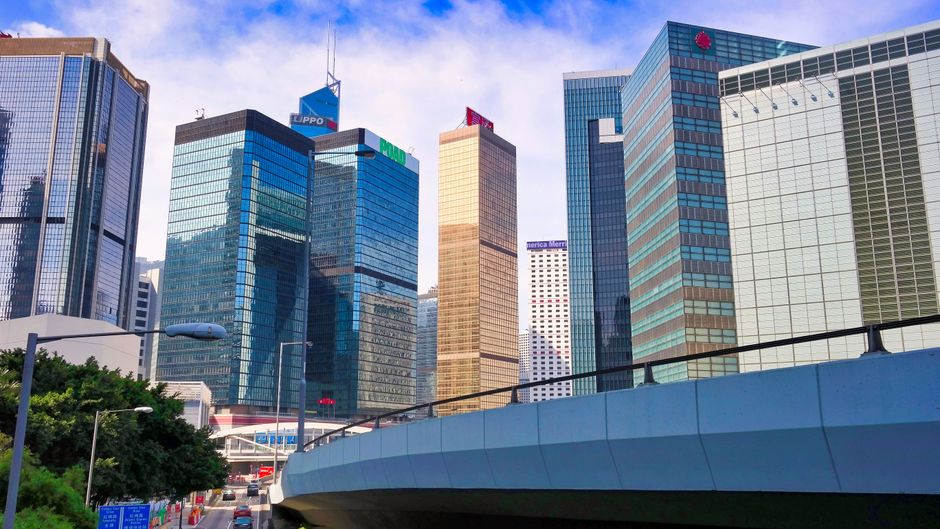
The numbers tell a compelling story. According to recent surveys of Hong Kong's startup ecosystem, roughly 65% of tech firms now operate hybrid models, up from just 28% in early 2024. Meanwhile, premium coworking memberships in prime locations have surged. Spaces like those clustered around Landmark Centre in Central and the thriving innovation corridor near CyberPort in Pokfulam are reporting near-capacity occupancy rates, with hot-desking memberships averaging HK$3,500-4,200 monthly—a significant jump from pre-2025 pricing.
What's driving this evolution? For many Hong Kong startups, the equation is simple: attracting and retaining talent in an increasingly competitive market means flexibility. Companies are discovering that offering team members choices—whether to work from home, a coworking hub, or the office—has become a recruiting advantage. The city's property costs remain astronomical, making dedicated offices unsustainable for early-stage founders, particularly those in the fintech and biotech sectors that dominate the local innovation landscape.
Interestingly, the trend isn't uniform across all neighbourhoods. While Sheung Wan and Admiralty command premium rates, emerging hubs in North Point and Wong Chuk Hang are attracting younger, more cost-conscious startups with competitive rates and longer lease flexibility. Several accelerators and innovation programmes have followed suit, establishing satellite spaces in these secondary locations to better serve their portfolio companies.
The technology behind this shift matters too. Hong Kong's ultra-high-speed broadband infrastructure—among the world's fastest—means that remote work here doesn't suffer the connectivity challenges plaguing other cities. That's a genuine competitive advantage that local tech leaders are leveraging.
Yet challenges remain. Despite the coworking boom, client-facing industries still struggle with remote arrangements. Legal firms, for instance, have been slower to embrace hybrid models, creating a two-tier workplace culture across the city. Additionally, mental health concerns around isolation have prompted some established tech companies to experiment with mandated office days, suggesting the pendulum may swing back toward more structured arrangements.
As Hong Kong positions itself as Asia's leading tech hub, how companies choose to organize their workforce will likely shape the city's competitive edge. For now, the message is clear: the future of work in Hong Kong isn't a single model—it's a mosaic of choices, driven by pragmatism and talent competition.
This article was compiled by AI from the sources linked above and screened before publishing. See our editorial standards.