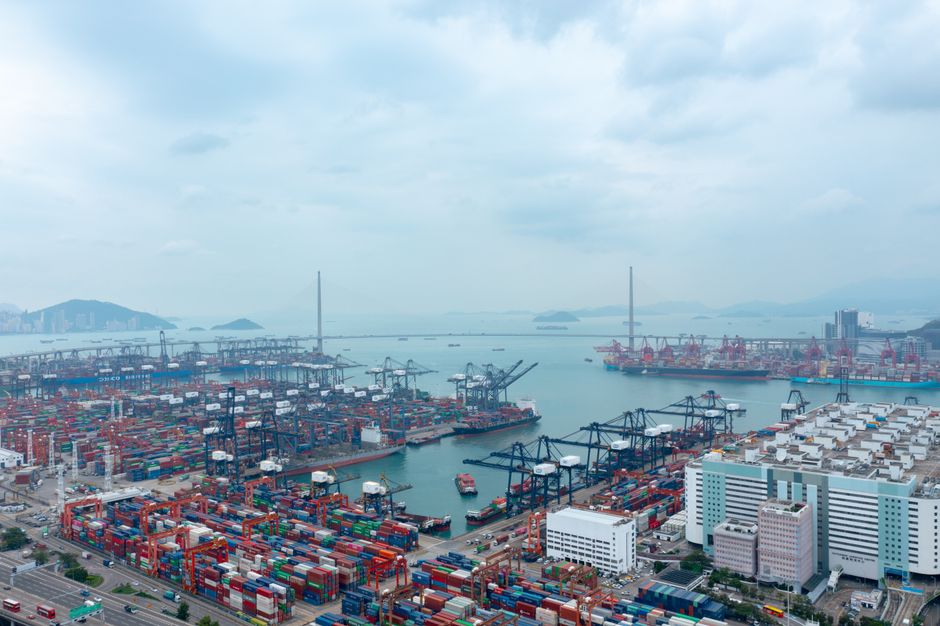
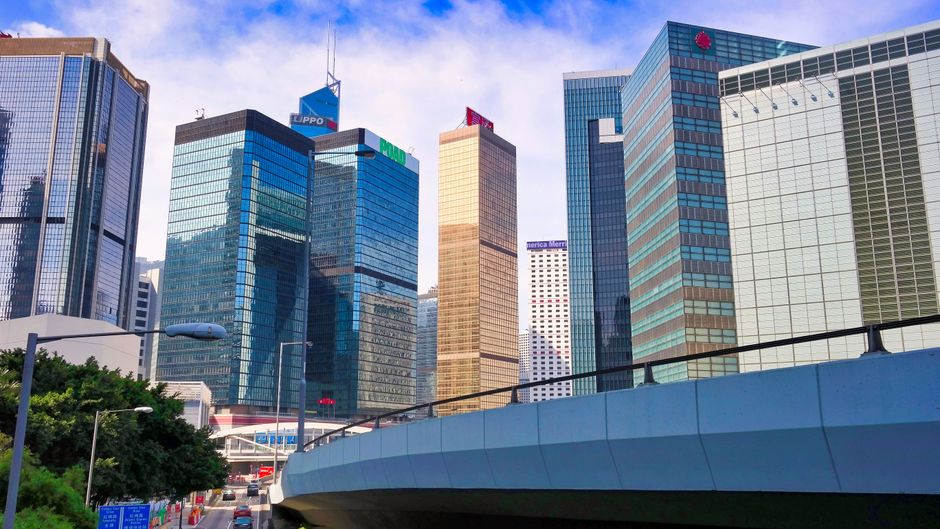
Walk into any of the warehouses lining the Kwai Chung industrial belt, and you'll notice something has shifted. Forklifts move with algorithmic precision. Shipping containers are allocated within minutes instead of hours. The invisible architect behind much of this efficiency is LogiChain, a two-year-old artificial intelligence company based in a nondescript office tower on Des Voeux Road Central.
Founded by former supply chain managers who grew frustrated with Hong Kong's fragmented logistics ecosystem, LogiChain has built an AI platform that predicts container bottlenecks, optimises warehouse routing, and integrates real-time data from the Port of Hong Kong—one of the world's busiest container terminals. The system costs between HK$80,000 and HK$250,000 annually depending on operational scale, making it accessible to mid-sized traders and freight forwarders across Mong Kok and Sheung Wan.
The impact is measurable. Early adopters report 18-22% reductions in turnaround times and roughly 12% savings on labour costs. For a city where logistics accounts for approximately 5% of GDP and employs over 100,000 people, even marginal efficiency gains ripple across the entire economy.
What sets LogiChain apart isn't just the technology—it's the local insight embedded within it. The system understands Hong Kong's unique constraints: typhoon season disruptions, cross-border clearance with Shenzhen, and the particular congestion patterns at Kwai Chung and Tsing Yi container terminals. It's trained on five years of operational data from partner firms, making it more locally calibrated than generic global logistics platforms.
The startup recently secured HK$45 million in Series A funding from regional venture capital firms and Japanese trading houses, signalling confidence that Hong Kong's role as a regional logistics hub depends partly on technology adoption. Several major freight forwarders in Central and Sheung Wan have already integrated LogiChain into their operations.
Yet challenges remain. Larger international logistics giants possess more capital and established relationships with shipping lines. Data privacy concerns also linger in an industry traditionally resistant to sharing operational information. Still, LogiChain's trajectory suggests Hong Kong's tech sector is moving beyond e-commerce and fintech into harder, more structural problems.
In June 2026, as regional supply chains remain volatile and labour costs climb, Hong Kong's competitive edge depends on precisely these kinds of unglamorous but essential innovations. LogiChain may not make headlines like consumer AI, but it's quietly reshaping how the city does business.
This article was compiled by AI from the sources linked above and screened before publishing. See our editorial standards.