tech
Why Hong Kong's Cybersecurity Scene Stands Apart in the Global Tech Arena
Caught between East and West, this city has become a testing ground for digital defences that few other hubs can match.
3 min read
Updated 4 h ago
tech
Caught between East and West, this city has become a testing ground for digital defences that few other hubs can match.
3 min read
Updated 4 h ago
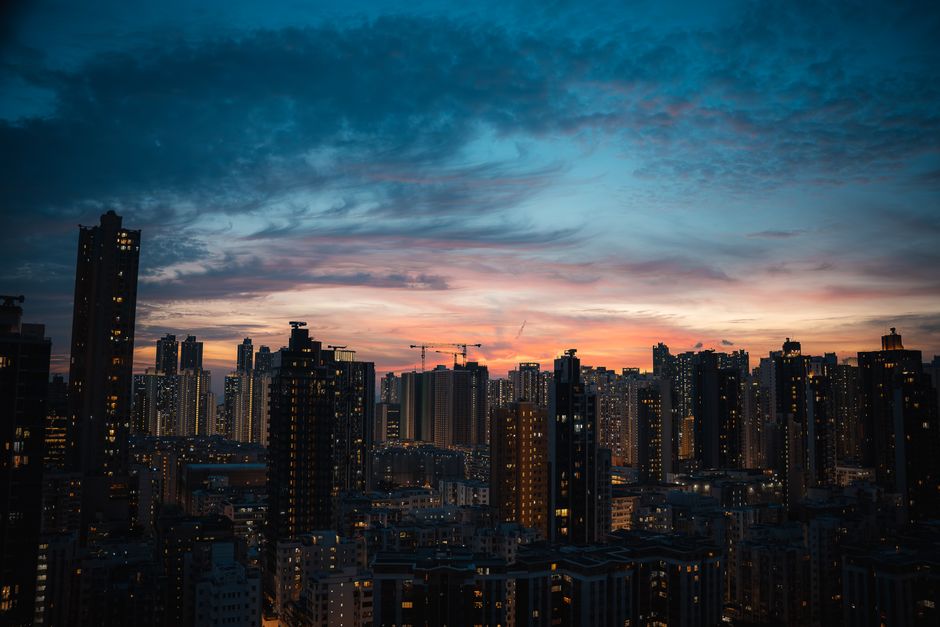
Walk through Cyberport in Wong Chuk Hang on any given afternoon, and you'll encounter a peculiar breed of technologist: engineers equally fluent in US regulatory frameworks and Chinese data governance standards, building security infrastructure for markets most Western firms struggle to navigate.
This duality defines Hong Kong's distinctive position in global cybersecurity. Unlike Silicon Valley or Shenzhen, this SAR operates as a genuine crossroads-a place where companies must satisfy both international compliance demands and regional market realities simultaneously. It's created something rare: a cybersecurity ecosystem optimised for complexity.
The numbers tell part of the story. Hong Kong hosts over 3,500 technology companies, with cybersecurity and fintech representing nearly 18% of the sector by headcount, according to recent InvestHK data. But raw statistics mask the real innovation driver: necessity born from geographic and political positioning.
Consider the practical implications. A financial services startup operating from Central must meet Hong Kong's Personal Data (Privacy) Ordinance-stricter than many European standards in certain respects-while simultaneously serving clients across the Strait. That regulatory squeeze forces engineers to build defences that are simply more robust than competitors elsewhere face.
The talent pool amplifies this advantage. The University of Hong Kong and HKUST graduate computer science students annually who've grown up in an environment where privacy concerns aren't theoretical-they're lived experience. Meanwhile, the presence of regional headquarters for Microsoft, Google, and Amazon means world-class researchers remain accessible, creating a rare density of security expertise relative to city size.
Infrastructure matters too. Hong Kong's position as a global financial hub means legacy banking systems run alongside cutting-edge fintech. That creates a laboratory for testing how new security protocols interact with decades-old infrastructure-precisely the problem enterprises face worldwide when modernising.
The ecosystem's openness distinguishes it further. Unlike mainland tech hubs, where foreign participation faces restrictions, Hong Kong attracts security researchers globally. The annual Hong Kong Information Security Conference draws practitioners who'd struggle obtaining visas elsewhere in the region. This creates genuine intellectual exchange-a commodity increasingly rare in fragmented tech geography.
That said, challenges mount. The 2023 Personal Data (Privacy) (Amendment) Ordinance tightened regulations further, and recent geopolitical tensions create uncertainty for firms balancing competing jurisdictions. Some international security companies have reassessed their Hong Kong operations, though this has opened space for local innovators.
What emerges is a cybersecurity scene optimised not for a single market or ideology, but for navigating both. It's unglamorous compared to surveillance-state efficiency or libertarian innovation, but increasingly valuable as enterprises operate across competing regulatory regimes. For a global tech industry fragmenting into regional blocs, Hong Kong's ability to bridge divides may prove its most distinctive-and exportable-asset.
This article was compiled by AI and screened before publishing. See our editorial standards.




About this article
Published by The Daily Hong Kong
Spread the word
Daily brief
Free, in your inbox before 7am. Weekdays.
Before you go
The day's Hong Kong news in a 2-minute read. Free, weekday mornings.