Hong Kong's fintech ecosystem is experiencing a visible inflection point in mid-2026, with a cluster of homegrown startups and tech-driven financial services now commanding serious attention from regional and international investors. The shift reflects both regulatory maturation—the Securities and Futures Commission's updated sandbox framework introduced last year continues to attract experimental ventures—and a fundamental rebalancing of capital flows toward digital-native financial solutions.
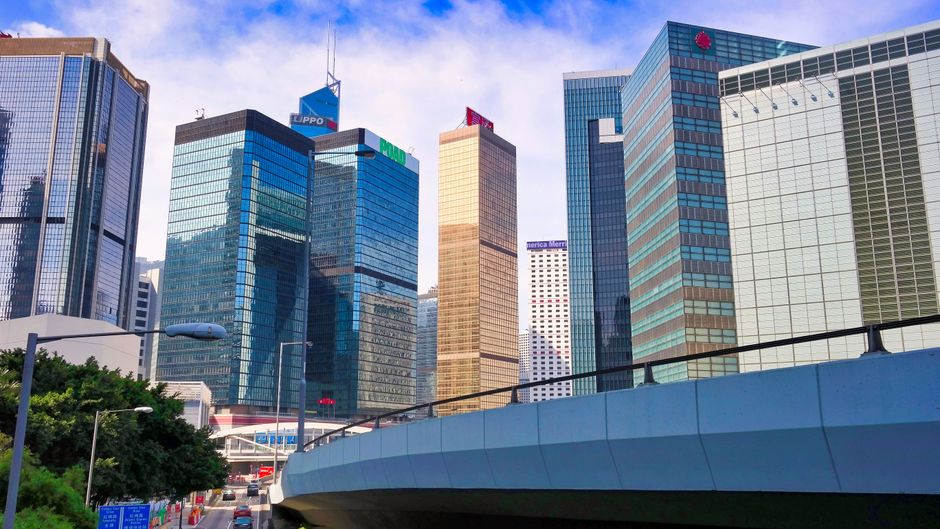
The momentum is most visible in Central and Sheung Wan, where fintech-focused co-working spaces and accelerators have grown denser. WeWork's Landmark Tower location, alongside dedicated spaces like Cyberport in Pok Fu Lam and HKSTP's facilities in Sha Tin, now host dozens of teams working on everything from embedded finance APIs to cross-border remittance platforms. Venture funding into local fintech firms has remained robust despite global volatility, with disclosed rounds averaging HKD 40-80 million for Series A companies, according to recent tracking by local venture databases.
Regulatory encouragement has proven decisive. The SFC's expanded licensing pathways for virtual asset trading platforms, refined after experiences of 2023-25, have created space for platforms offering compliance-first approaches to crypto and tokenised assets. Several locally incorporated firms have secured operational approvals and launched customer acquisition campaigns—a marked contrast to the cautious stance of three years prior.
Simultaneously, incumbent banks are shifting strategy. The Big Four have all announced expanded innovation partnerships with startups, signalling that traditional banking's digital transformation here is increasingly outsourced to nimble technologists rather than built entirely in-house. This has created a talent pipeline: experienced engineers and product managers from banking backgrounds are rotating into startup roles, bringing domain expertise and network effects that accelerate product-market fit.
Retail adoption patterns are telling. Buy-now-pay-later services, domestic money transfer apps, and AI-driven wealth management tools have crossed into mainstream usage beyond early adopters. One category—corporate expense management and invoice financing targeting SMEs—appears particularly promising, given Hong Kong's dense small business ecosystem and historical friction in accessing working capital.
Challenges persist: regulatory arbitrage between Hong Kong, Singapore, and the mainland remains volatile; talent acquisition is expensive; and larger regional competitors from Southeast Asia are well-capitalised. Yet the local environment—a stable currency, deep financial infrastructure, and proximity to mainland markets—continues to attract founders and capital.
For Hong Kong's tech scene, fintech remains the highest-growth vertical, and the next 18-24 months will determine whether this city can crystallise its advantages into lasting market leadership.
This article was compiled by AI from the sources linked above and screened before publishing. See our editorial standards.