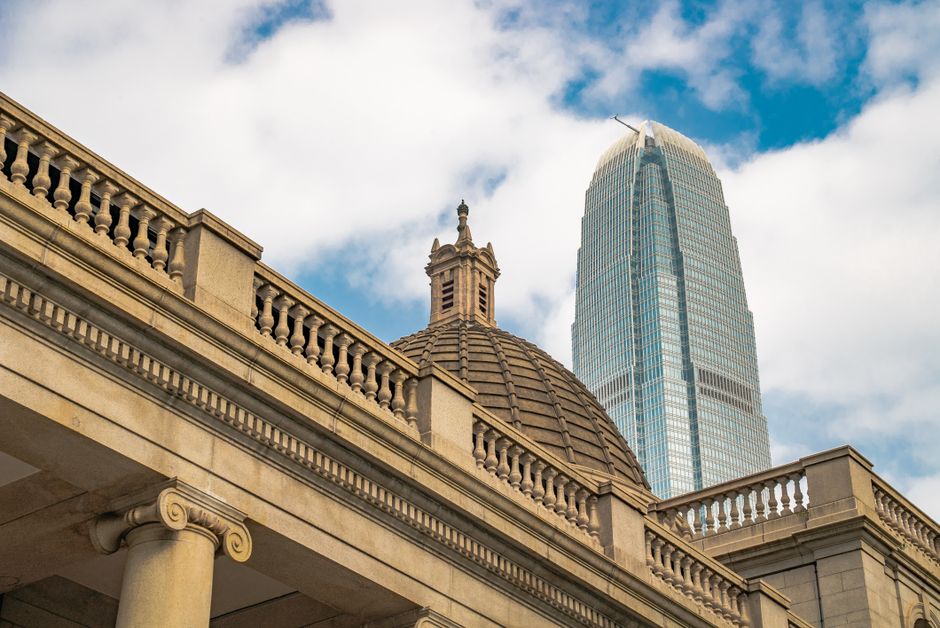
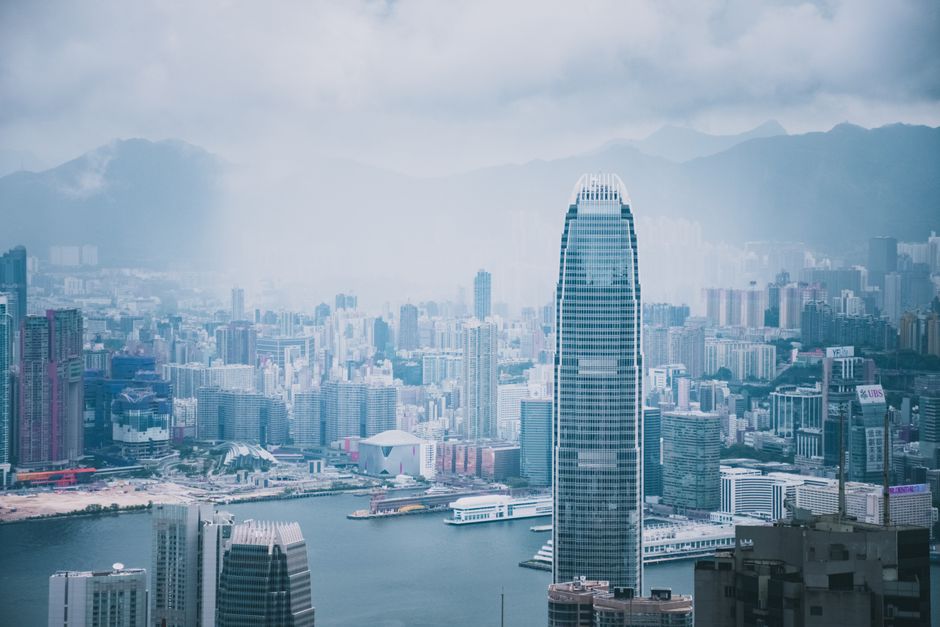
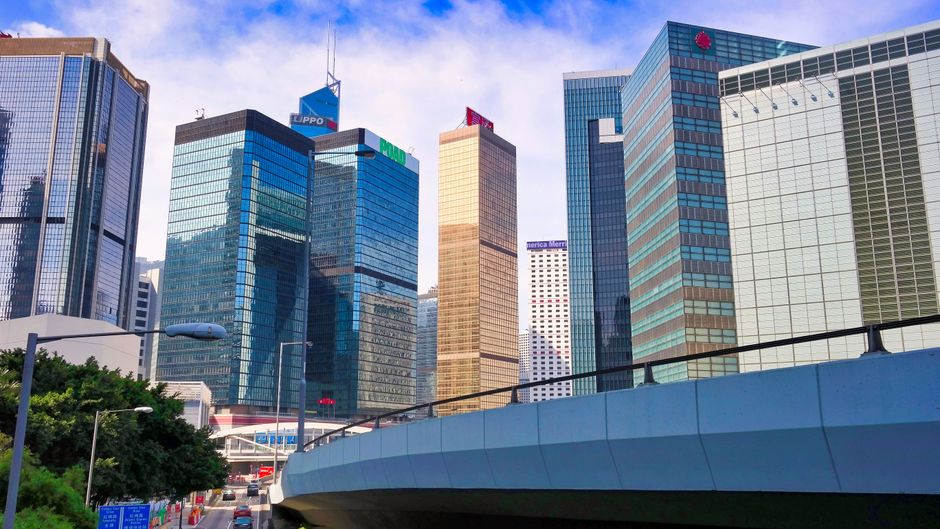
Walk through Central's gleaming office towers or the converted warehouses of Sheung Wan, and you'll encounter a tech ecosystem that defies the usual startup playbook. Hong Kong's innovation landscape doesn't compete on raw scale with Shenzhen's manufacturing dominance or Silicon Valley's venture capital density. Instead, it has engineered something rarer: a bridge economy where Western capital meets Asian ambition, and regulatory pragmatism enables rapid experimentation.
The numbers tell part of the story. Hong Kong attracted US$8.2 billion in venture funding last year—a dip from pandemic peaks, but still commanding roughly 40% of all Southeast Asian VC investment. Yet what distinguishes the city isn't just capital flow; it's the composition of that ecosystem.
Consider the concentration of fintech innovation around the Central and Sheung Wan corridor. Hong Kong's regulatory framework for virtual assets and digital banking has created a regulatory sandbox environment that neither Shanghai nor Singapore quite matches. Companies like those accelerated through HKUST's entrepreneurship programs in Clear Water Bay have access to both mainland Chinese markets and global investor networks simultaneously—a geographic privilege most competitors cannot claim.
The city hosts over 2,700 registered fintech firms, with the Hong Kong Monetary Authority actively licensing new digital banks. This regulatory clarity attracts talent: the average senior engineer salary in Hong Kong's tech sector sits around HK$1.2 million annually, competitive enough to retain world-class developers while remaining below San Francisco or London benchmarks.
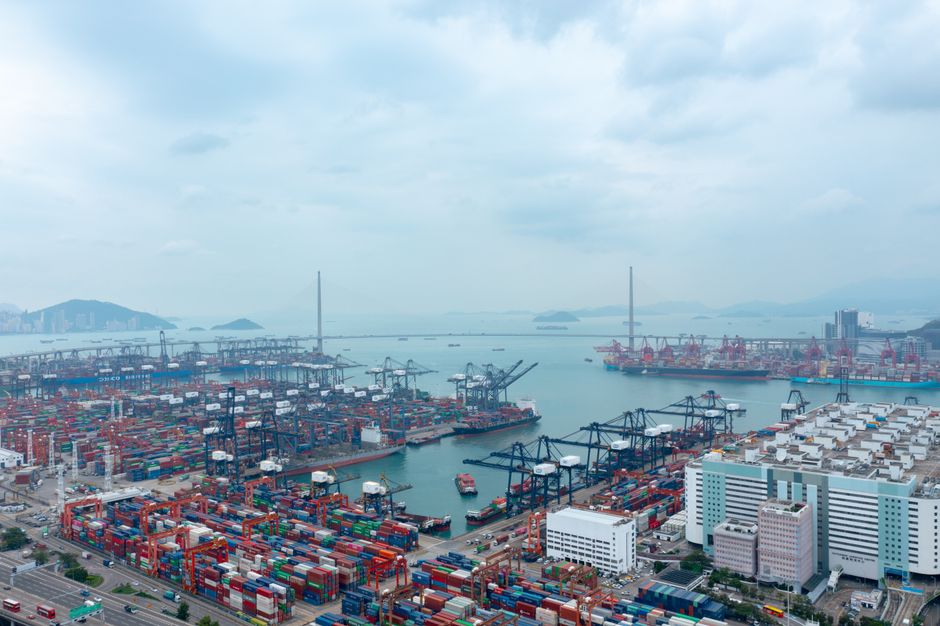
But Hong Kong's distinctive edge extends beyond fintech. The city has become a crucial hub for cross-border e-commerce, logistics technology, and biotech commercialisation. The Advanced Manufacturing Centre in Tseung Kwan O and various tech parks scattered across Kowloon provide affordable office space compared to Central—crucial for scale-ups navigating the gap between seed funding and Series B growth.
What truly sets Hong Kong apart is its position as a translator between markets. A startup can incorporate here, access mainland venture capital, recruit from a bilingual talent pool, and sell to global audiences without the regulatory friction each of those markets imposes individually. This triangulation—neither purely Western nor purely Chinese, but strategically positioned between both—remains Hong Kong's most valuable asset.
As geopolitical tensions reshape tech supply chains and cloud infrastructure, this bridging function has only grown more valuable. The city's tech community understands something counterintuitive: in an era of decoupling and fragmentation, being genuinely bilingual—culturally, linguistically, and operationally—is a competitive advantage no amount of venture capital can buy.
This article was compiled by AI from the sources linked above and screened before publishing. See our editorial standards.