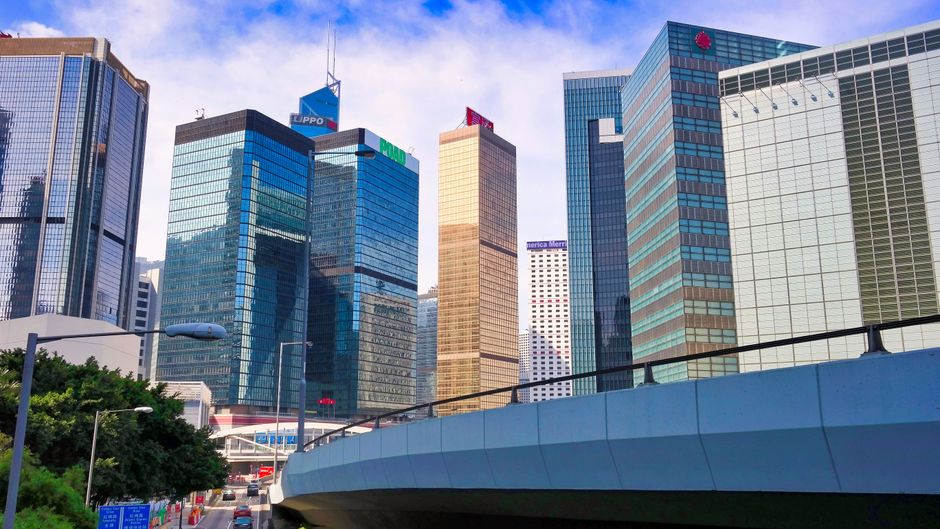
Walk through the narrow lanes of Sheung Wan and you'd never guess that one unassuming office above a dai pai dong restaurant is home to Hong Kong's most promising breakthrough in urban hydro-energy. HydroFlow Energy, founded in 2024 by a team of engineers who previously worked on infrastructure projects across the MTR, has spent the last eighteen months perfecting a micro-turbine system that extracts power from stormwater drainage systems—something the city generates in abundance during May to September typhoon season.
The innovation sounds deceptively simple: instead of letting millions of cubic metres of stormwater flow unused through Hong Kong's drainage infrastructure, HydroFlow's modular turbines sit inside existing pipes and channels, generating electricity from the water pressure and flow. For a densely built vertical city like ours, where rooftop and subterranean space is premium, this approach sidesteps the need for sprawling traditional hydroelectric facilities.
What sets HydroFlow apart is scalability and cost. A single unit costs approximately HK$180,000 to install and can generate 15-40 kilowatts depending on drainage flow patterns. The company has already secured pilot projects with three district councils—including one in Wan Chai that will process stormwater from the upcoming Central-Wan Chai waterfront redevelopment. Early data suggests annual energy yields of 45,000 to 80,000 kilowatt-hours per installation, offsetting roughly 15-25 tonnes of carbon emissions annually.
Hong Kong's renewable energy targets demand we source 60 per cent of our electricity from clean sources by 2035, a jump from the current 9 per cent. Solar and wind projects have dominated the conversation, but HydroFlow represents a crucial third pillar: harnessing the water infrastructure already embedded in our city. With annual rainfall averaging 2,200 millimetres, our monsoon season is an untapped energy goldmine.
The Drainage Services Department has pledged to evaluate integration into the city's broader infrastructure plans, though bureaucratic processes mean widespread deployment remains 18-24 months away. Still, industry analysts see potential for 200-300 installations across Hong Kong within five years, generating enough renewable capacity to power roughly 8,000 households.
For investors and policymakers watching Hong Kong's green transition, HydroFlow represents something rare: a solution that doesn't require waiting for new technology, new space, or new funding models. It simply makes smarter use of what we already have. In a city defined by clever engineering and space constraints, that's precisely the kind of thinking we need.
This article was compiled by AI from the sources linked above and screened before publishing. See our editorial standards.