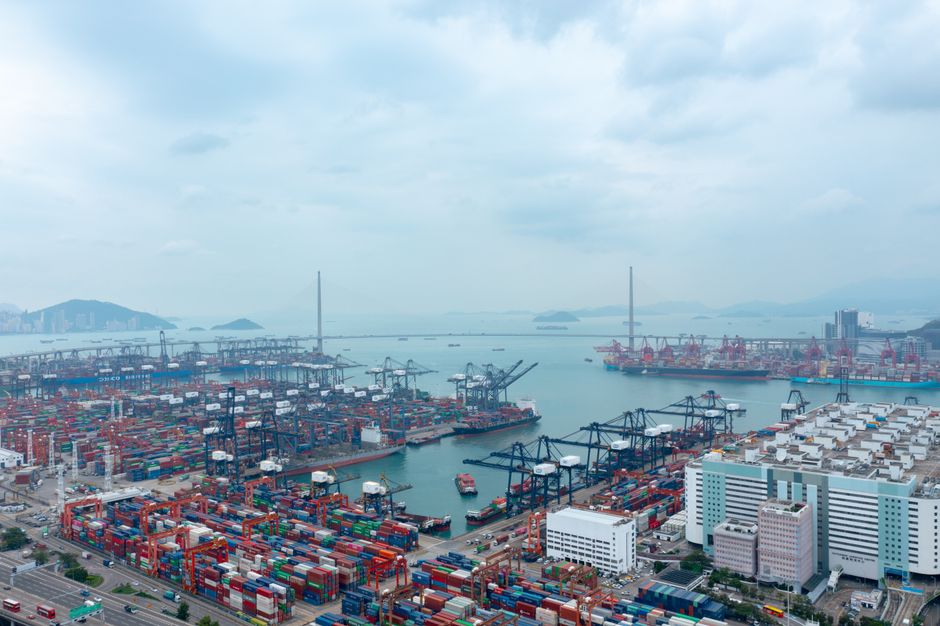
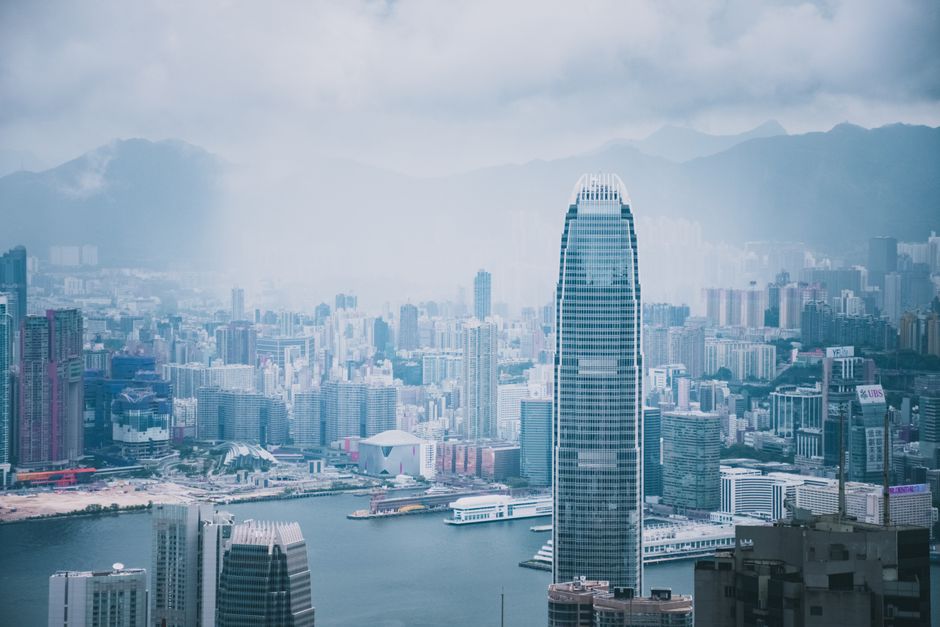
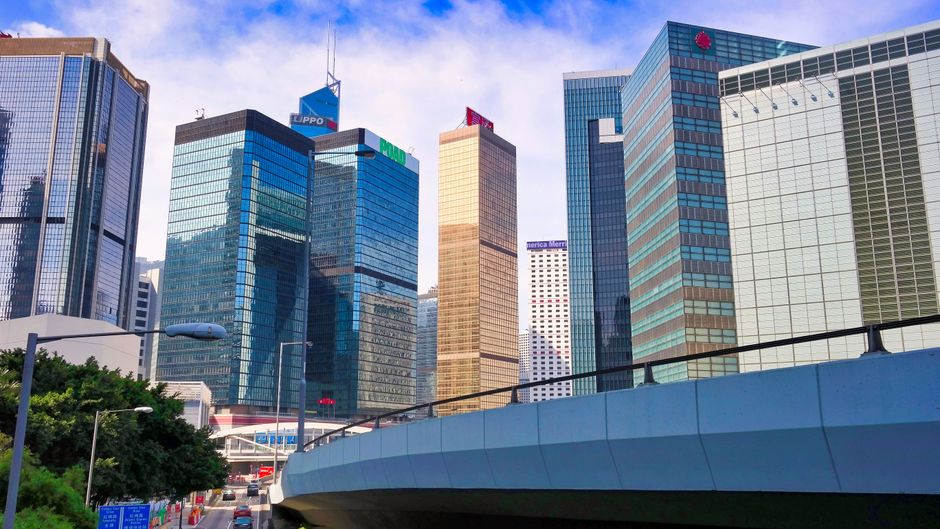
Hong Kong's gleaming skyline tells a familiar sustainability story: solar panels on Central's commercial towers, electric buses threading through Mong Kok's cramped streets, and venture capital flowing into green startups clustered around Wong Chuk Hang and the Cyberport. Yet beneath this progressive narrative lurks a more complicated reality that policymakers and investors are only beginning to confront.
The city's commitment to achieving net-zero emissions by 2050—a cornerstone of Hong Kong's positioning as a global financial hub—demands a hard look at what "clean" actually means. Take battery recycling. As EV adoption accelerates, with electric vehicles now comprising roughly 2% of Hong Kong's vehicle fleet, questions mount about where spent lithium-ion batteries end up. Most recycling infrastructure remains concentrated overseas, predominantly in Southeast Asia and China, where environmental and labour protections often lag far behind Hong Kong standards.
The renewable energy transition presents equally thorny contradictions. While rooftop solar installations have surged across the New Territories and Aberdeen, sourcing rare earth minerals for solar panels and wind turbines increasingly depends on mining operations in countries with poor environmental records. The human cost—from workers in cobalt mines to communities displaced by dam projects that feed hydroelectric grids—remains invisible to Hong Kong consumers shopping for green energy credits.
Then there's the equity question. A recent study found that low-income residents in districts like Kwun Tong and Sham Shui Po benefit least from energy efficiency retrofits and solar subsidies, which tend to concentrate in wealthier areas. As green technology becomes more expensive, the risk of a two-tiered city emerges: affluent households in Mid-Levels embracing sustainable lifestyles while working-class neighbourhoods absorb disproportionate pollution from supporting infrastructure.
Industry insiders acknowledge these tensions. The Hong Kong Green Finance Association has begun exploring "responsible" cleantech frameworks, yet enforcement remains patchy. Companies greenwashing their credentials—claiming carbon neutrality without rigorous third-party audits—operate with minimal consequences.
This doesn't mean Hong Kong should abandon its climate commitments. Rather, the city's next phase of green development must grapple honestly with uncomfortable trade-offs. That means demanding supply-chain transparency from tech manufacturers, ensuring equitable distribution of green benefits across all neighbourhoods, and resisting the temptation to simply outsource environmental damage to poorer nations.
Hong Kong has positioned itself as a responsible financial centre. Making that claim credible demands extending that responsibility beyond harbour views and sustainability reports.
This article was compiled by AI from the sources linked above and screened before publishing. See our editorial standards.