Walk into any tech incubator in Hong Kong these days and you'll hear about artificial intelligence, blockchain, or fintech startups. But SenseFlow, a two-year-old company quietly operating from Cyberport's Tower A, is solving a problem that affects thousands of manufacturers across the region: knowing where your shipment actually is.
Founded by a former supply chain manager at a major textile exporter, SenseFlow has developed an end-to-end visibility platform that combines IoT sensors, machine learning, and real-time data analytics to track goods from factory to port to destination. The company claims its system can reduce supply chain delays by up to 35 percent—a significant margin in an industry where time is money.
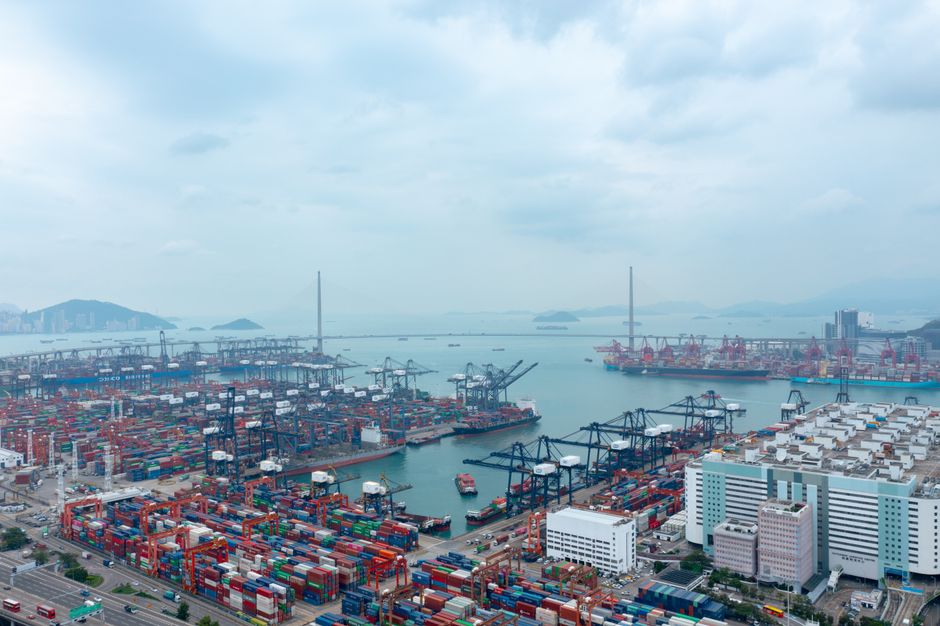
"Hong Kong sits at the heart of regional trade," explains the company's approach. "But our logistics infrastructure hasn't evolved much in two decades. We're changing that." SenseFlow's software integrates with existing port systems at Hong Kong's container terminal and major inland warehouses, providing manufacturers with unprecedented visibility into their shipments.
The numbers are compelling. The platform currently tracks over 50,000 containers monthly across Hong Kong, Southeast Asia, and Southern China. Clients include mid-sized manufacturers in the New Territories and larger enterprises across the Pearl River Delta. Subscription costs range from HK$8,000 to HK$30,000 monthly depending on shipment volume, making it accessible to small exporters while scalable for enterprises.
What sets SenseFlow apart isn't just technology—it's local expertise. The team of 24 engineers and logistics specialists understands the specific friction points of Hong Kong's port operations and the complexities of cross-border trade with mainland China. They've spent months mapping workflows at the Port of Hong Kong and integrating with Customs clearance systems.
Investor interest has been brisk. The startup closed a US$3.2 million Series A round in April, led by a Singapore-based venture firm with backing from local angel investors. That capital is fuelling expansion into Vietnam and Thailand by Q4 2026.
For Hong Kong's innovation ecosystem, SenseFlow represents a maturing trend: companies solving real, unsexy problems for the region's backbone industries rather than chasing hype cycles. With global supply chains still fragile post-pandemic, visibility tools aren't luxuries—they're necessities. SenseFlow's rapid adoption suggests Hong Kong's manufacturing heartland agrees.
This article was compiled by AI from the sources linked above and screened before publishing. See our editorial standards.