Hong Kong's push to become a truly smart city is accelerating, driven by a wave of investment that has transformed government technology spending and attracted venture capital firms looking to pilot innovations in one of Asia's most connected urban centres.
The Hong Kong government's latest capital budget allocation has increased digital infrastructure funding by 34 per cent year-on-year, with over HK$18 billion committed to smart city initiatives through 2030. This includes a new Innovation and Technology Fund extension that specifically targets integrated transportation systems, real-time air quality monitoring, and digital governance platforms across districts from Central to Mong Kok and beyond.
Private investment tells a parallel story. In the past 18 months, more than 15 venture and growth equity firms have established or expanded dedicated smart city portfolios focused on Hong Kong, according to data from the Hong Kong Science and Technology Parks Corporation. Tech firms in Cyberport and the HKSTPC's facilities in Sha Tin have collectively raised over US$420 million for infrastructure-tech startups, with a particular focus on Internet of Things applications and autonomous systems.
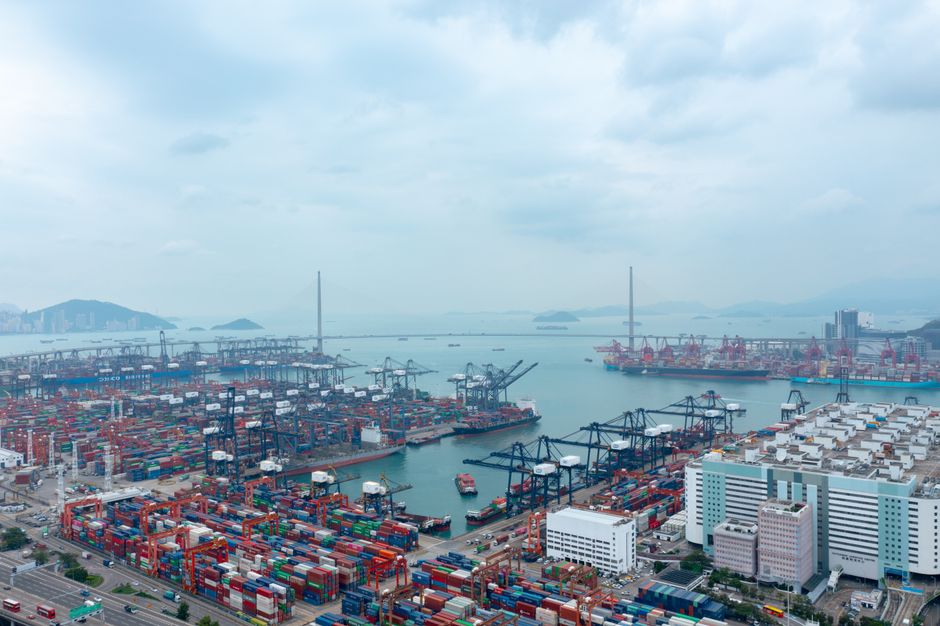
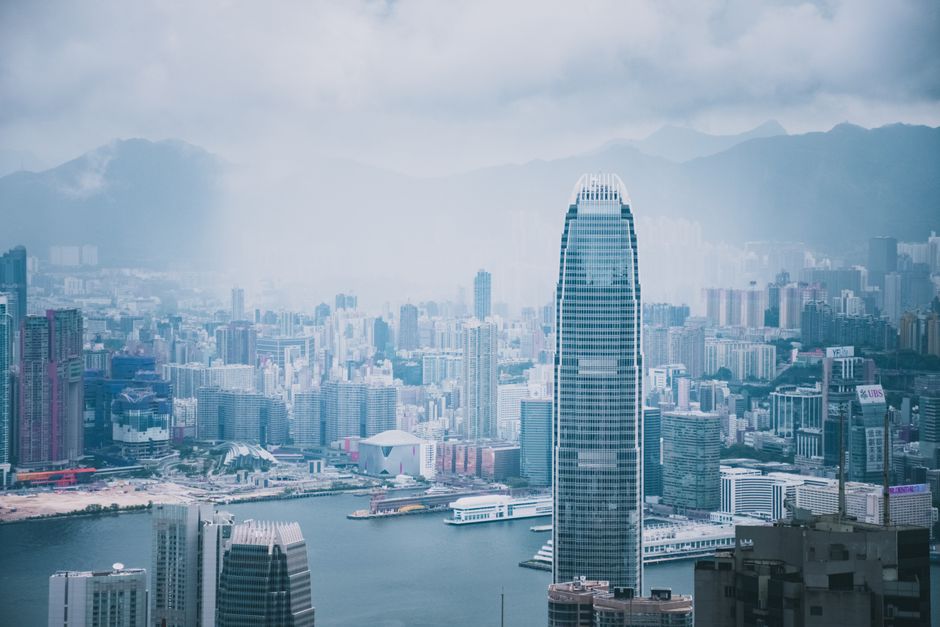
"The market opportunity here is unique," says a partner at a major Hong Kong-based tech investment firm. "We have ultra-dense urban areas, a sophisticated regulatory environment, and a government genuinely committed to modernisation." Projects in early-stage pipeline include smart traffic management systems for the causeway corridor linking Hong Kong Island to Kowloon, digital permit systems for the Port of Hong Kong, and AI-driven emergency response networks.
The investment momentum reflects broader trends. Hong Kong ranks fifth globally for digital infrastructure readiness, and the city's 5G penetration exceeds 45 per cent of the population. Corporations including major property developers and utility providers are investing tens of millions in IoT capabilities and cloud infrastructure.
However, challenges remain. Cybersecurity concerns, the need for robust data governance frameworks, and integration across fragmented legacy systems continue to constrain deployment speeds. The government's recent establishment of a dedicated Smart City Office within the Development Bureau signals recognition of these complexities.
For investors and entrepreneurs, the window is open. Major technology conferences scheduled for later this year in Convention and Exhibition Centre will likely showcase dozens of locally-developed solutions seeking scaling capital. Analysts predict smart city spending could exceed HK$50 billion annually by 2029, making Hong Kong a laboratory for technologies destined for regional rollout across Southeast Asia and beyond.
This article was compiled by AI from the sources linked above and screened before publishing. See our editorial standards.