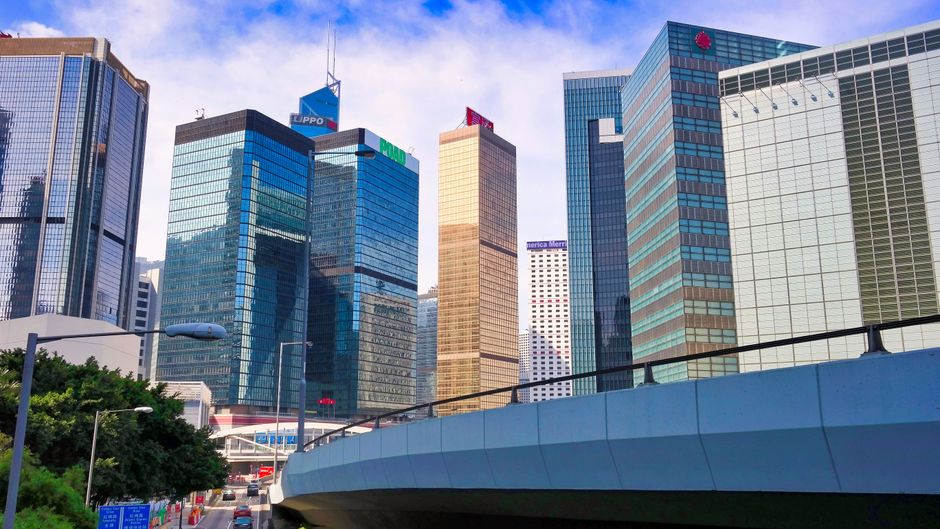
Walk through Central's office towers or grab coffee in Sheung Wan, and you'll notice something striking: Hong Kong's startup ecosystem, fuelled by billions in venture capital, has matured beyond flashy pitches into tangible tools that ordinary residents now depend on daily.
The shift reflects a broader trend. Hong Kong attracted US$8.2 billion in venture funding last year—down from pandemic peaks but still robust—with investors increasingly backing solutions designed for local problems. Unlike earlier hype cycles fixated on blockchain and fintech, today's capital flows toward logistics, mobility, and lifestyle convenience.
Consider last-mile delivery. Startups operating across Mong Kok, Wong Tai Sin, and the New Territories have refined routing algorithms that cut delivery times by 30 per cent compared to five years ago. A resident ordering groceries from their Wan Chai apartment now receives goods within 90 minutes, down from the standard three-hour window. That efficiency gain—multiplied across thousands of daily transactions—has reshaped how families in dense neighbourhoods approach meal planning.
Public transport integration offers another example. Several VC-backed apps now bundle MTR data, minibus schedules, and real-time congestion alerts into single interfaces. For commuters juggling transfers between Hong Kong Island and Kowloon, this eliminates the friction of cross-referencing multiple systems—saving 10-15 minutes per journey for regular users.
The property and housing sector has also transformed. Tech ventures focused on micro-housing and co-living have attracted serious institutional backing, resulting in platforms that help residents navigate Hong Kong's notoriously opaque rental market. Transparency around neighbourhood amenities, rent trends, and lease terms has empowered younger professionals and families to make faster decisions in a market where delays cost money.
Healthcare accessibility represents a quieter but significant win. Telemedicine startups, many based in Cyberport, now connect residents in outlying areas like Tuen Mun and Yuen Long with specialist consultations previously requiring commutes to Central. For elderly residents and working parents, the time savings are material.
Veteran investors note that Hong Kong's advantage lies not in inventing novel technologies but in solving hyperlocal problems with precision. The city's density, regulatory clarity (relative to regional peers), and affluent consumer base create ideal conditions for testing and scaling solutions that improve daily life incrementally rather than dramatically.
As venture activity stabilizes after recent volatility, the message is clear: Hong Kong's startup ecosystem has graduated from aspiration to utility. For residents, that means smoother commutes, faster deliveries, and less wasted time navigating a complex city—the unsexy but deeply valuable outcome of capital meeting genuine local need.
This article was compiled by AI from the sources linked above and screened before publishing. See our editorial standards.