Hong Kong's Startup Boom Is Real—Here's What Job Seekers Actually Need to Know
Venture capital is flowing into the city's tech sector, but competition for roles is fierce and salary expectations need a reality check.
3 min read
Updated 10 h ago
Venture capital is flowing into the city's tech sector, but competition for roles is fierce and salary expectations need a reality check.
3 min read
Updated 10 h ago
Hong Kong's startup ecosystem is experiencing genuine momentum. In the first half of 2026, venture capital commitments to local tech firms exceeded $800 million, according to recent industry tracking. For job seekers navigating this landscape, understanding where opportunities actually lie—and what to realistically expect—has become essential.
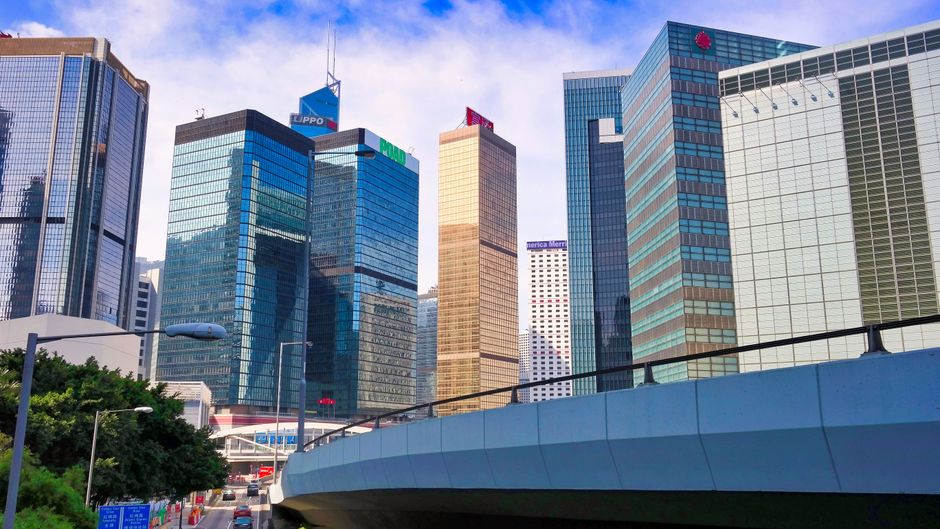
The concentration of activity tells an important story. Central and Wan Chai remain the epicentre, where co-working spaces like WeWork on Des Voeux Road and independent hubs in the Landmark building command premium rents and host the densest cluster of funded startups. But increasingly, talent scouts are looking beyond the traditional office corridors. Startups in Causeway Bay, North Point, and even emerging neighbourhoods like Quarry Bay are growing rapidly, offering more accessible entry points for junior professionals.
What's changed dramatically is the competitive intensity. Five years ago, a mid-level software engineer in Hong Kong could reasonably expect a 15-20% salary premium for joining a Series A startup over a corporate role. Today, that differential has collapsed to roughly 5-8%, according to recruiter feedback across the city. The reason is straightforward: investor appetite has attracted thousands of talented professionals willing to take calculated risks for equity upside rather than inflated salaries.
For job seekers, this matters enormously. Equity packages—typically 0.05% to 0.5% of a Series A company for non-founder roles—need serious scrutiny. Understand vesting schedules, dilution risk, and the realistic timeline to exit events. Many promising startups fail; Hong Kong's venture failure rate sits around 40-45% for funded firms that don't reach Series B within three years.
The sectors attracting capital have shifted noticeably. Fintech and Web3 applications, once dominant, have plateaued. AI infrastructure, biotech, and climate technology are now capturing larger funding cheques. For professionals retooling their skillsets, this signals where hiring momentum will concentrate over the next 18 months.
Location flexibility has genuinely improved. Pre-2023, most startup roles demanded office presence. Now, hybrid arrangements are standard—though this has also opened competition to talent pools in Singapore and Shanghai, compressing wage growth further.
The practical advice for anyone considering a move into Hong Kong's startup world: network strategically through venues like HKUST's Entrepreneurship Hub in Clear Water Bay or regular tech meetups across the city. Salary expectations should be realistic. Equity due diligence is non-negotiable. And recognise that the most valuable assets you'll gain—networks, operational experience, and risk tolerance—often matter more than the immediate paycheque.
This article was compiled by AI from the sources linked above and screened before publishing. See our editorial standards.
About this article
Published by The Daily Hong Kong
Spread the word
Daily brief
Free, in your inbox before 7am. Weekdays.
Before you go
The day's Hong Kong news in a 2-minute read. Free, weekday mornings.