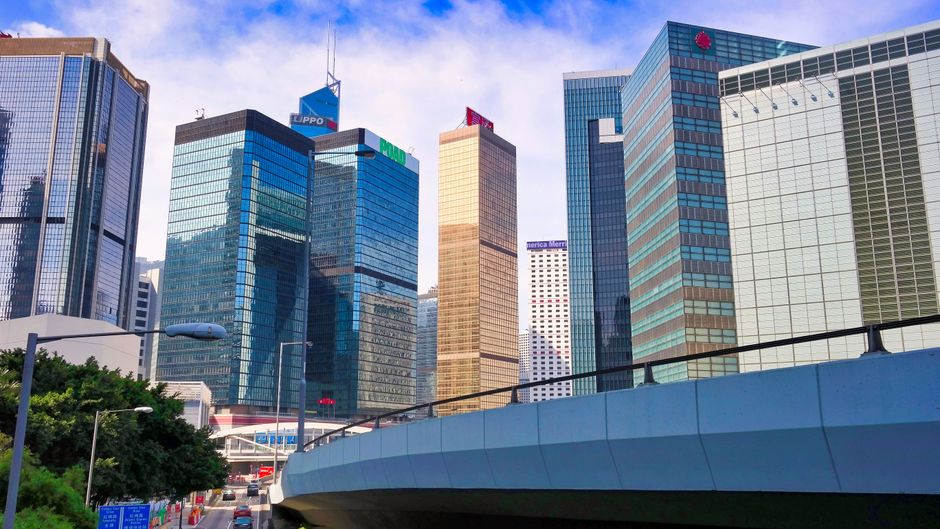
Walk through Central's clustered office towers in 2026 and you'll notice something conspicuously different from a decade ago: fewer people in them. Hong Kong's remote work ecosystem has exploded, with coworking memberships now exceeding 45,000 seats across the city—a near-tripling since 2020. Yet beneath this apparent liberation lies a tangle of uncomfortable questions that Hong Kong's regulators and employers have barely begun to address.
The numbers tell a seductive story. Spaces like those in Wong Chuk Hang's industrial-turned-creative district and the burgeoning hubs along Des Voeux Road Central promise flexibility, community, and escape from the 70-hour office culture that once defined the SAR. Monthly memberships range from HK$1,500 for hot-desking to HK$8,000 for dedicated pods—seemingly affordable compared to traditional office rents. Yet this convenience masks deeper anxieties.
Labour rights represent the thorniest problem. When employees work outside formal company premises, jurisdiction becomes murky. Who is responsible if someone falls ill from poor ventilation in a shared workspace? The Labour Department has issued no clear guidelines on coworking liability, leaving thousands of Hong Kong workers in a grey zone. Equally troubling: employers increasingly monitor remote workers through keystroke-tracking software and location verification apps—surveillance practices that dwarf anything permitted in physical offices.
Income inequality adds another layer. While finance professionals and tech workers enjoy the autonomy to choose premium spaces in Sheung Wan or Causeway Bay, lower-wage service workers lack such choice, often working from inadequate home spaces or crowded cafés. This bifurcation deepens existing divides.
There's also the question of workplace culture. Coworking spaces promise serendipitous networking—the accidental collaboration that sparks innovation. Yet research increasingly suggests this rarely materializes beyond superficial interactions, while genuine professional relationships atrophy without consistent in-person connection. Mental health implications remain understudied in Hong Kong's context.
Environmental claims warrant scrutiny too. Yes, fewer commuters mean lower emissions. But the proliferation of small office spaces across multiple neighbourhoods—rather than consolidated major hubs—may actually increase energy consumption per worker.
Hong Kong's tech community champions this transition as inevitable progress. Yet the city's government has shown limited appetite for regulating the sector meaningfully. Without clearer frameworks on worker protections, data privacy, and equitable access, the remote work revolution risks becoming another convenience primarily for the privileged—while leaving Hong Kong's broader workforce more vulnerable than before.
This article was compiled by AI and screened before publishing. See our editorial standards.