tech
Hong Kong's Venture Capital Engine Shifts Gear: Inside the Next Wave of Startup Innovations
As early-stage funding rebounds, local VCs chart ambitious product roadmaps that could reshape Asia's tech landscape.
3 min read
Updated 5 h ago
tech
As early-stage funding rebounds, local VCs chart ambitious product roadmaps that could reshape Asia's tech landscape.
3 min read
Updated 5 h ago
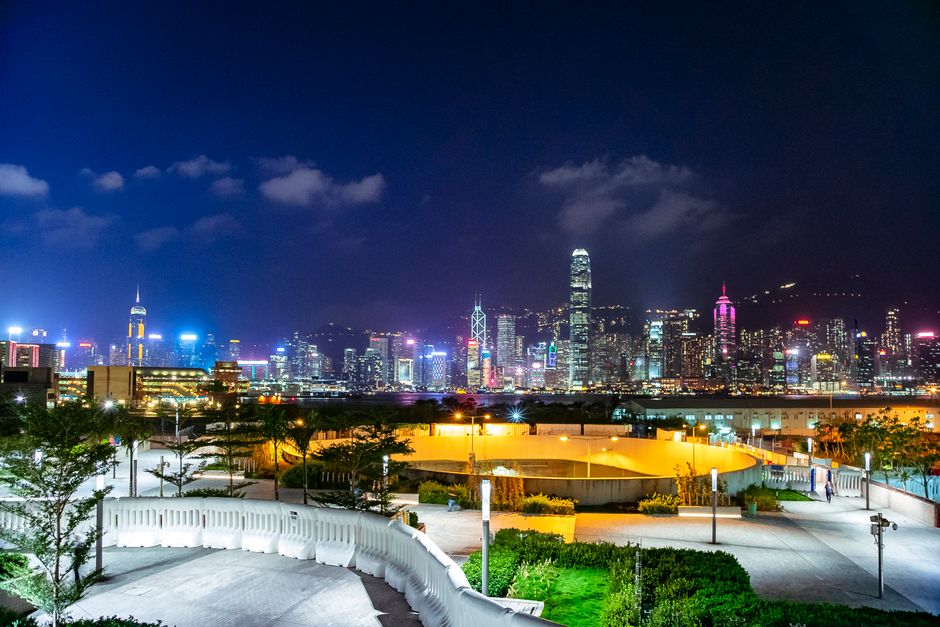
Hong Kong's venture capital ecosystem is entering a critical inflection point. After a cautious 2024-25, venture firms clustered across Central, Causeway Bay, and the emerging Cyberport hub are unveiling a slate of product launches and infrastructure developments that signal renewed confidence in the city's startup potential.
The momentum reflects structural shifts in local funding patterns. According to recent industry surveys, Hong Kong-based VCs deployed approximately HK$8.2 billion across 420+ deals in the first half of 2026-a 34% increase on the same period last year. More tellingly, the average ticket size for Series A rounds has climbed to HK$50-80 million, up from HK$35-45 million eighteen months ago, suggesting deeper conviction among investors.
Several trends are shaping the roadmap. Fintech and Web3 infrastructure remain dominant, with multiple funds in the Sheung Wan and Des Voeux Road areas ramping up support for cross-border payment rails and blockchain compliance tooling. But a striking pivot is underway toward climate tech and advanced manufacturing. One major family office with offices in The Landmark Centre has committed HK$500 million specifically to deep-tech startups focused on sustainable battery materials and carbon capture-reflecting both ESG pressures and genuine market opportunity in Greater Bay Area supply chains.
AI-native applications are another flashpoint. Rather than chasing generative AI hype, local VCs are funding narrower, higher-ROI vertical solutions-logistics optimization, medical imaging analysis for regional hospitals, and supply-chain visibility tools. Several cohorts launching from Cyberport in Q3 and Q4 fit this pattern explicitly.
Infrastructure improvements accompany these bets. Hong Kong's co-working and innovation hubs-from The Hive in Sheung Wan to Cyberport's expanded Phase 5 facilities-are rolling out dedicated venture lounges, corporate partnership desks, and extended visa support for overseas founders and engineers. Cyberport's 2026-27 acceleration programmes have grown to eight focused tracks, up from five two years ago.
Regulatory tailwinds matter too. The Securities and Futures Commission's updated guidance on venture fund structures, issued in March, has made it simpler for local GPs to raise regional capital and allocate across Southeast Asia. Several Hong Kong VCs have subsequently announced expanded mandates across Vietnam and Thailand.
Yet challenges persist. Talent retention remains acute-many mid-level operators and technical founders continue migrating to Singapore or the US for scale reasons. Valuations in the 2024-25 downturn also left some portfolios underwater, constraining dry powder availability among smaller funds.
Still, the trajectory is unmistakable. Hong Kong's venture ecosystem is maturing from a capital reception point into a genuine product innovation engine, with the next 18-24 months likely to define whether that transition holds.
This article was compiled by AI and screened before publishing. See our editorial standards.




About this article
Published by The Daily Hong Kong
Spread the word
Daily brief
Free, in your inbox before 7am. Weekdays.
Before you go
The day's Hong Kong news in a 2-minute read. Free, weekday mornings.