How Remote Work Technology is Reshaping Daily Life for Hong Kong Residents
As coworking spaces proliferate across Causeway Bay and Central, commute times shrink and family life expands for thousands of locals.
2 min read
Updated 10 h ago
As coworking spaces proliferate across Causeway Bay and Central, commute times shrink and family life expands for thousands of locals.
2 min read
Updated 10 h ago
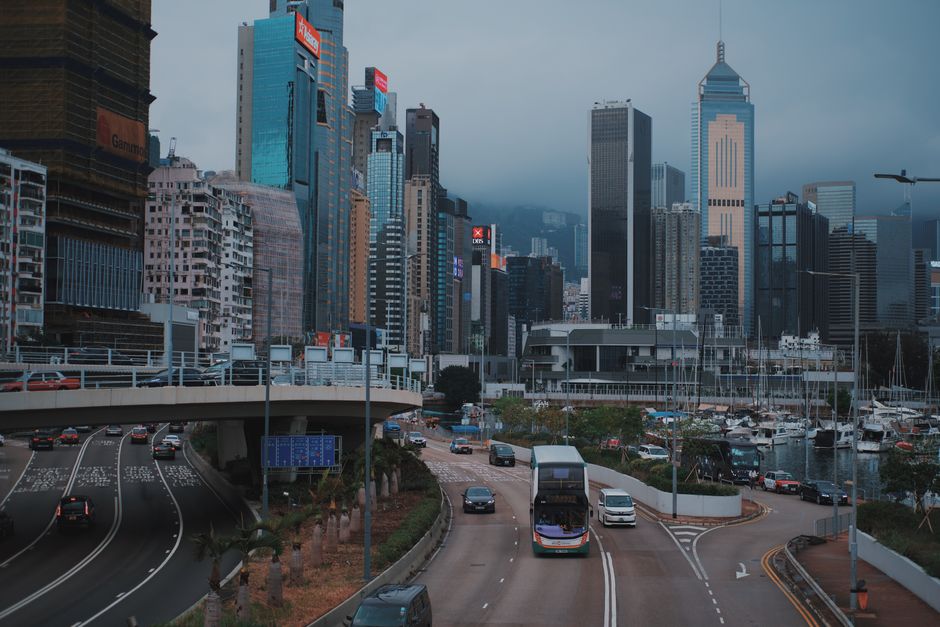
For years, Hong Kong's workforce has endured some of Asia's longest commutes. A typical journey from the New Territories to Central could consume three hours daily. But 2026 has brought a quiet revolution: distributed work infrastructure is finally rewiring how residents experience their city.
The coworking boom across Hong Kong is unmistakable. WeWork, Spaces, and local operator The Great Room now operate over 50 locations—up from fewer than a dozen five years ago. More significantly, neighbourhood hubs have emerged in unlikely places. Sheung Wan's residential pocket above Des Voeux Road now hosts three independent studios catering to freelancers and small teams. In Mong Kok, converted shophouses have become 'community offices' where locals work flexibly without the 90-minute MTR ordeal to Kowloon Bay.
The practical impact on residents is tangible. Hong Kong's average commute time has fallen to 43 minutes, down from 52 minutes in 2022, according to transport researchers. For families, this represents nearly an hour daily reclaimed. Parents dropping children at daycare in Repulse Bay can now work from neighbourhood spaces, returning home by 5:30 p.m. instead of 7 p.m.
Pricing has also shifted the economics of daily life. While premium Central coworking runs HK$8,000–12,000 monthly for full-time desk access, neighbourhood alternatives average HK$3,000–4,500. This democratisation matters in a city where office rent consumes 30 per cent of some residents' income. A freelancer or startup founder can now maintain professional presence without committing to a two-year lease in Mid-Levels.
Technology underpinning this shift—5G bandwidth, cloud collaboration tools, and reliable video conferencing—has matured substantially. Hong Kong's tech infrastructure, already among the world's fastest, now supports seamless hybrid work. But the human geography shift may matter more than bandwidth.
Residential neighbourhoods from Sai Ying Pun to North Point are experiencing unexpected vitality. Daytime populations in previously quiet residential zones have swelled. Local cafés report sustained lunchtime crowds. This distributed pattern suggests Hong Kong's post-pandemic work culture isn't reverting to old CBD concentration.
Not everyone benefits equally. Lower-wage service workers remain tethered to physical locations. Yet for Hong Kong's growing class of knowledge workers—now roughly one-third of the workforce—the technology enabling remote and flexible work has fundamentally altered daily rhythms. Commute anxiety, that chronic feature of Hong Kong life, is finally loosening its grip.
This article was compiled by AI from the sources linked above and screened before publishing. See our editorial standards.
About this article
Published by The Daily Hong Kong
Spread the word
Daily brief
Free, in your inbox before 7am. Weekdays.
Before you go
The day's Hong Kong news in a 2-minute read. Free, weekday mornings.