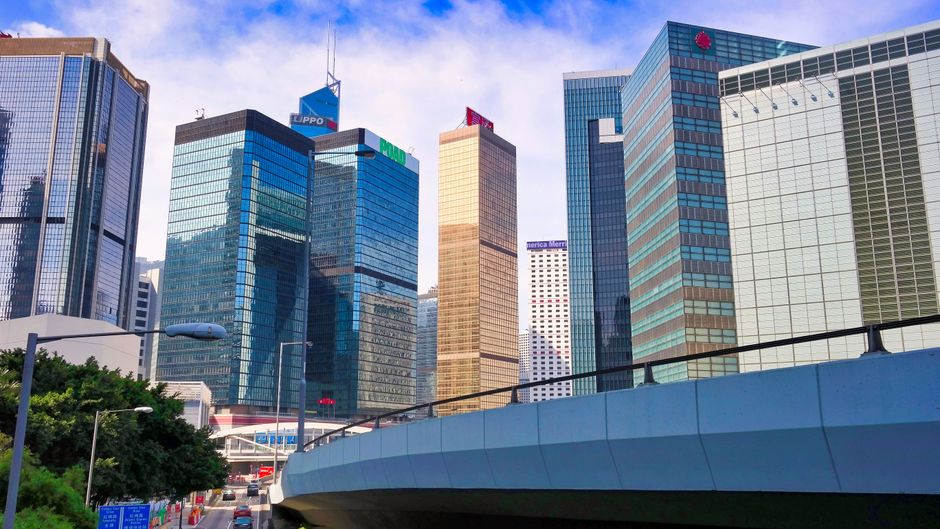
Walk down Taikoo Place or stroll through the gleaming corridors of Landmark in Central, and you'll see the unmistakable signs of Hong Kong's workplace transformation. Coworking spaces—from established players like WeWork to nimble local startups—now occupy prime real estate across the city's financial districts. Yet beneath the polished veneer of flexibility and freedom lies a more complicated reality that tech workers and employers are only beginning to confront.
The numbers seem compelling. Hong Kong's coworking market has expanded by roughly 40 percent since 2022, with monthly desk rentals in premium locations like Wan Chai and Admiralty now ranging from HK$3,500 to HK$8,000. For freelancers and small teams, this represents genuine liberation from the constraints of traditional office leases. But this convenience comes with ethical landmines few are discussing openly.
Privacy and surveillance represent the most pressing concern. Most coworking operators now employ sophisticated access systems, motion sensors, and security cameras—ostensibly for safety. Yet workers increasingly find themselves under layers of monitoring that would be unthinkable in conventional offices. A software developer working from a Causeway Bay flex space has no guarantee how their behavioral data is being collected, stored, or sold to third parties. Platforms like Nplatinum Studio or The Hive have remained largely opaque about data policies, raising questions about digital rights in Hong Kong's evolving workplace.
Then there's the inequality paradox. While remote work promised democratization, it has actually sharpened divides. Senior professionals can afford private offices in premium coworking hubs; junior staff and gig workers squeeze into shared hot-desking arrangements in cheaper neighborhoods like Mong Kok or Kwun Tong. The flexibility that benefits some has created a two-tier workforce where access to professional environments—and the networking opportunities they provide—correlates directly with disposable income.
Burnout presents another shadow. The blur between work and life that remote arrangements enable has proven psychologically corrosive. Without the natural rhythm of commuting or the social anchors of traditional offices, many Hong Kong workers report working longer hours, not shorter. Mental health services are rarely integrated into coworking memberships, despite the isolation such arrangements can foster.
Finally, there's the regulatory vacuum. Hong Kong's labor laws were written for different workplace models. Coworking operators occupy legal grey zones regarding employer liability, worker protections, and contractual obligations. As the sector grows, regulators face mounting pressure to establish clearer frameworks.
The future of work in Hong Kong need not be dystopian. But realizing the genuine promise of remote work—flexibility without exploitation, freedom without isolation—requires honest conversation about what we're trading away. That conversation has only just begun.
This article was compiled by AI from the sources linked above and screened before publishing. See our editorial standards.