Hong Kong's clean energy sector is entering a critical expansion phase, with over HK$200 billion in green infrastructure investments already committed through 2030. The city's path to carbon neutrality is no longer theoretical—it's materialising through concrete projects and emerging technologies that will reshape how millions of residents consume energy.
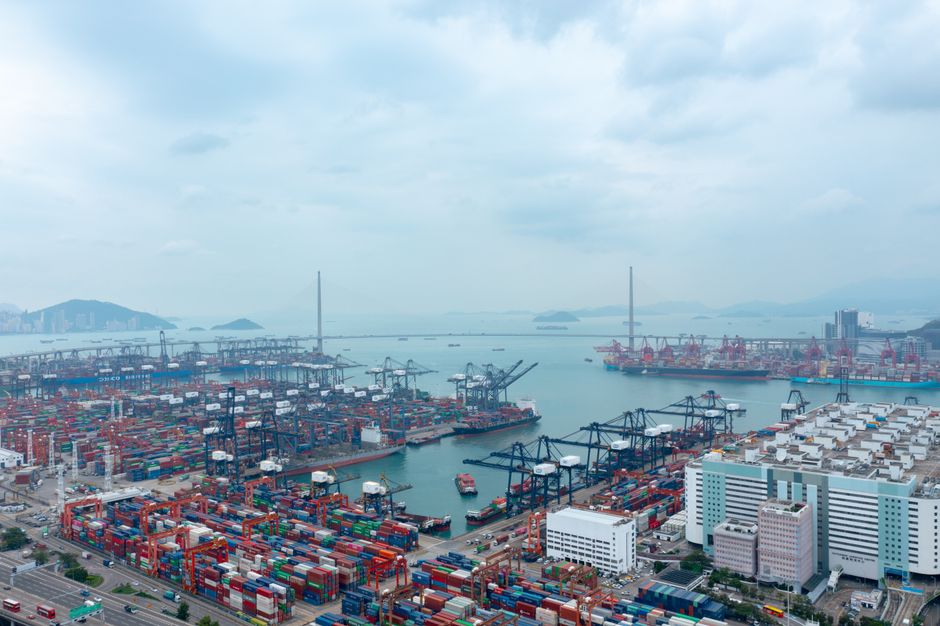
The most visible transformation is underway in Hong Kong's harbour. The city's floating solar farm projects, particularly those planned for Victoria Harbour and around the outlying islands, represent a paradigm shift. Unlike traditional rooftop installations concentrated in Central and Wan Chai, these aquatic systems promise significantly higher energy yields while freeing up limited land. Industry analysts expect the first commercial-scale deployments to generate 50-80 megawatts by 2028, enough to power approximately 15,000 households.
Battery storage technology is equally pivotal. Hong Kong's geography—compact, densely populated, with variable wind and solar availability—demands sophisticated energy management. Several firms are piloting advanced lithium-ion and solid-state battery systems across Kowloon and the New Territories. These aren't consumer products yet, but utility-scale installations designed to stabilise the grid during peak demand. One facility near Tuen Mun is expected to be operational by early 2027.
The hydrogen economy is emerging from research labs into commercial viability. The Hong Kong Science and Technology Parks Corporation, alongside private developers, is establishing hydrogen refuelling infrastructure corridors. Initial rollouts will target commercial vehicles and public transport hubs, with pilot stations opening in areas like Kwai Tsing and Yuen Long before expanding to Central. This development directly supports the government's commitment to transition 70% of the city's energy mix away from coal by 2030.
Green hydrogen production itself is advancing. Electrolysers powered by offshore wind—another major pillar of Hong Kong's strategy—are transitioning from prototype to production scale. The South China Sea's wind resources remain largely untapped; projects under development could deliver 500+ megawatts by the early 2030s.
Perhaps most immediately relevant to everyday residents: smart grid technology and AI-driven energy management systems are deploying across residential districts. Trials in Sha Tin and Tseung Kwan O demonstrate how distributed systems can reduce consumption by 15-20% through real-time optimization, potentially lowering household bills while decreasing strain on infrastructure.
The timeline is aggressive but achievable. Unlike regions with abundant renewable resources, Hong Kong's constraint is space, not ambition. The convergence of these technologies—floating solar, advanced storage, hydrogen infrastructure, and intelligent grids—represents not just environmental responsibility but economic opportunity in a city competing globally for green finance talent and investment.
This article was compiled by AI from the sources linked above and screened before publishing. See our editorial standards.