Walk through Cyberport on Hong Kong Island's southern tip, and you'll notice something that sets this city apart: startups developing battery technology for tropical climates, software optimising cooling systems for high-density urban living, and AI platforms designed to monitor air quality across Asia's most polluted shipping lanes.
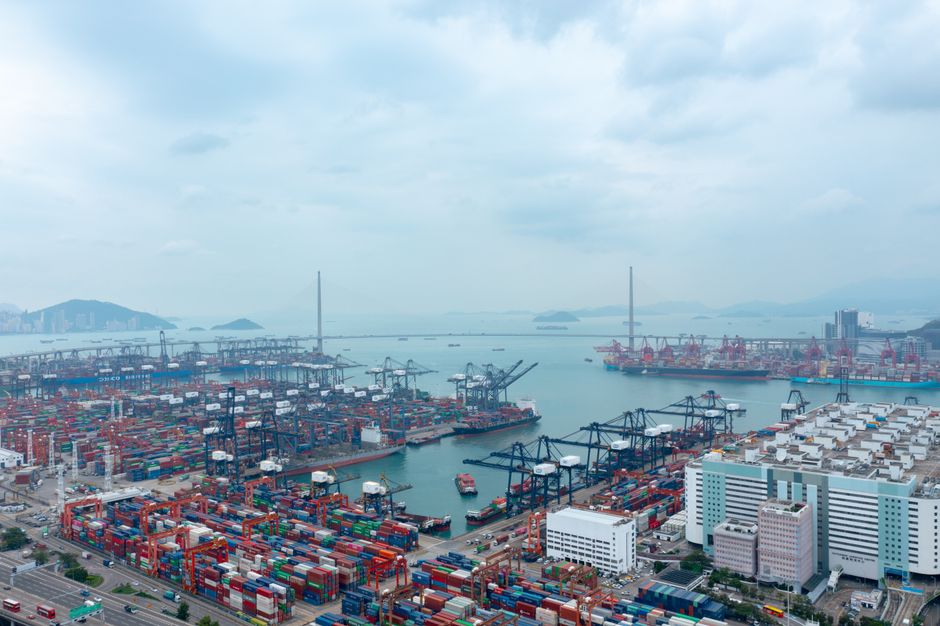
Hong Kong's green-tech ecosystem isn't merely importing solutions from California or copying strategies from Shenzhen. Instead, it's carving a distinctly local path—one shaped by the city's peculiar pressures: 7.5 million people crammed into 1,104 square kilometres, a port that moves 40 million containers annually, and a climate that demands urgent decarbonisation without sacrificing economic competitiveness.
The numbers tell part of the story. Hong Kong's renewable energy capacity remains modest—just 7% of total electricity generation as of last year—but the acceleration is real. The government's commitment to achieving carbon neutrality by 2050 has unlocked venture capital typically scarce in Asia's tech hubs. Green-tech startups raised approximately HK$2.8 billion in funding across 2024 and 2025, according to local venture databases.
What distinguishes Hong Kong's approach is its position as a convergence point. Startups here aren't just engineering; they're translating. Companies in areas like Sheung Wan and Central are building bridges between Western climate-tech expertise and Southeast Asian manufacturing capacity. A battery-recycling firm in Tseung Kwan O, for instance, processes lithium-ion waste from regional e-commerce operations—a supply chain problem most Silicon Valley startups haven't encountered.
The Hong Kong Science and Technology Parks Corporation has emerged as a crucial enabler, hosting over 900 technology companies across three major facilities. Beyond infrastructure, Hong Kong's regulatory environment—relatively light-touch compared to Europe, yet more stringent than mainland China—creates space for experimentation that appeals to founders seeking both innovation freedom and governance credibility.
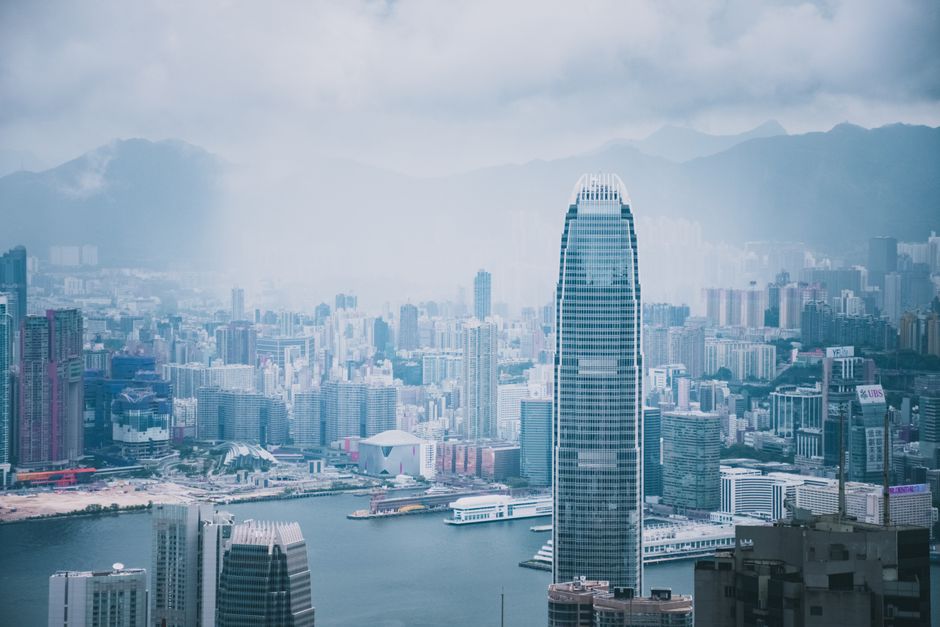
Harbour pollution and the city's dependence on imported energy have created urgency that funding alone cannot replicate. Startups here work against visible, tangible problems: shipping emissions visible from Victoria Peak, air quality alerts that spike during winter months, and rising sea levels that make climate adaptation existential rather than aspirational.
As venture capital globally struggles to distinguish genuine climate-tech innovation from marketing, Hong Kong's ecosystem benefits from something less glamorous but more durable: necessity. The city's startups aren't chasing trends. They're solving for where they live, in real time, with deadlines written into the skyline.
This article was compiled by AI from the sources linked above and screened before publishing. See our editorial standards.