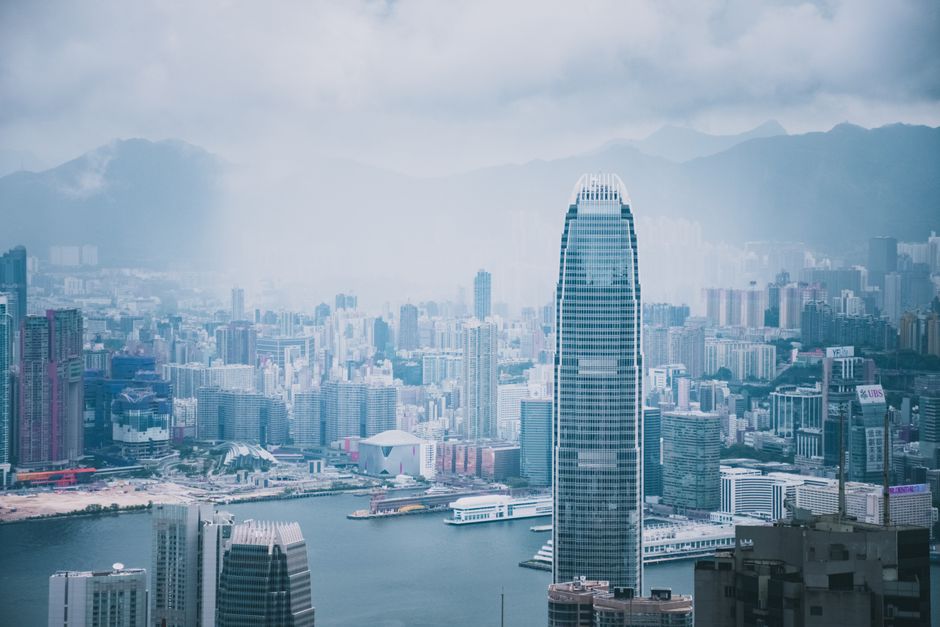
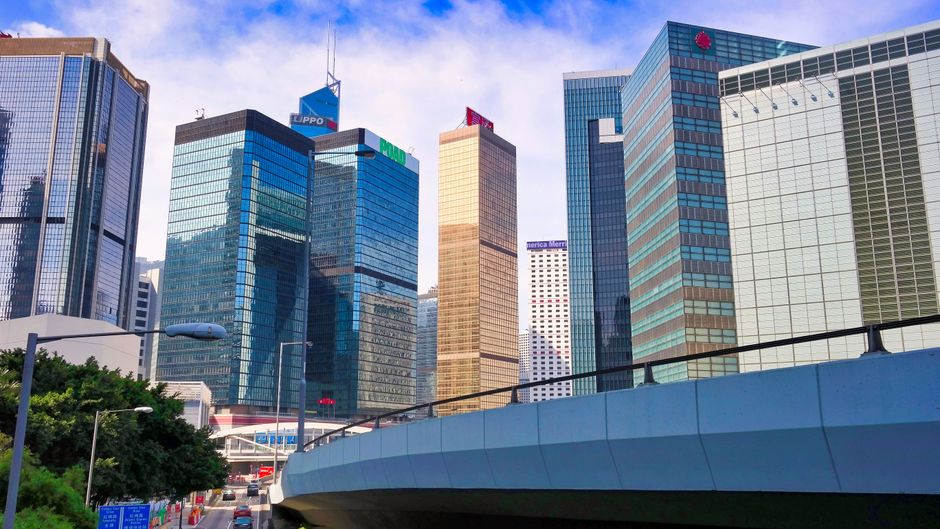
Walk through Central's glittering office towers and you'll find venture capital firms cheek-by-jowl with hedge funds and family offices managing billions. This spatial intimacy—where a VC partner might lunch with a Southeast Asian billionaire, then video-call a Shenzhen hardware manufacturer—defines Hong Kong's startup funding ecosystem in ways that purely geographic comparisons miss.
The numbers tell part of the story. Hong Kong attracted US$5.2 billion in venture funding in 2025, according to industry trackers, a modest figure compared to the US or China individually. But contextualise this within the city's 7.5 million people and 1,100-plus square kilometres, and you're looking at a funding density—capital per capita, per square metre—that's among the highest globally. That efficiency reflects something structurally different about how money moves here.
Unlike Silicon Valley's venture aristocracy or Shenzhen's manufacturing-first mentality, Hong Kong's ecosystem thrives on its hybrid nature. The city hosts Asia's largest concentration of single-family offices—some 500 of them managing roughly US$2.6 trillion collectively. These aren't bound by the rigid return timelines of traditional VC funds. They can absorb longer burn rates, back moonshot ideas, and weather downturns that would flatten standard limited partnerships. A fintech founder raising Series B can source institutional capital from a Queen's Road Central fund manager, then tap a family office in Mid-Levels for later-stage growth—all within walking distance.
Regulatory architecture matters too. Hong Kong's Securities and Futures Commission operates with a clarity that Beijing increasingly lacks, while still maintaining connectivity to mainland capital flows that Silicon Valley cannot access. This creates an arbitrage opportunity: founders building for Asian markets can raise here with governance standards that attract international institutional money.
The talent ingredient adds another layer. Hong Kong's universities—HKU, CUHK, HKUST—churn out engineering talent. But more distinctively, the city attracts diaspora entrepreneurs who've exited in Shenzhen, Singapore, or San Francisco. They return with experience, networks, and exit-trained instincts. Co-working spaces like WeWork across Wong Chuk Hang and Quarry Bay have become informal talent exchanges where a former Alibaba engineer might advise an early-stage founder tackling Southeast Asian logistics.
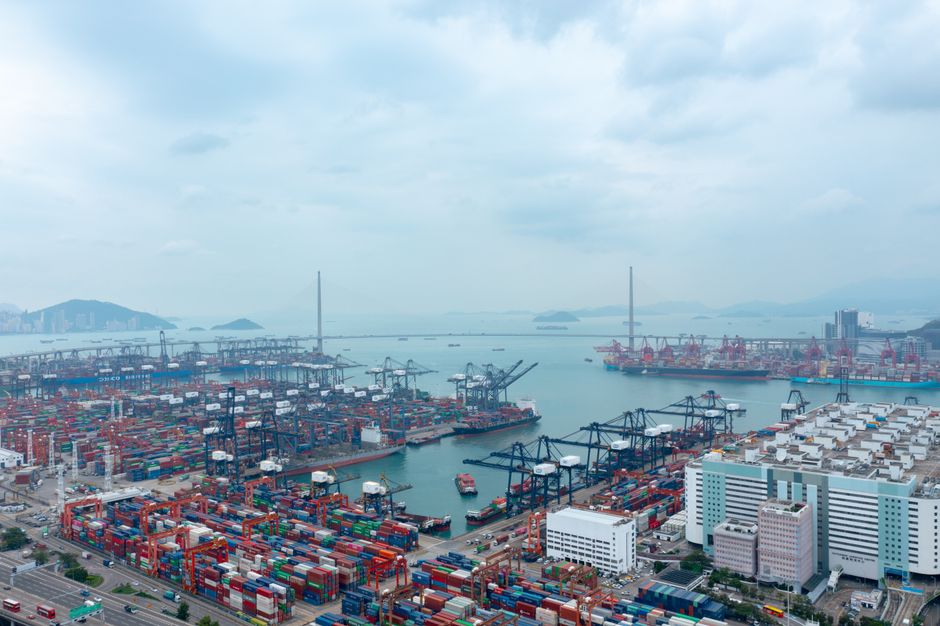
Geography remains destiny. Hong Kong's time zone sits midway between New York and Tokyo, making 24-hour deal cycles natural. Its port remains world-class for hardware startups. Tax incentives for reinvested profits and a stable legal system create conditions where patient capital can actually remain patient.
The ecosystem's weakness—limited population for consumer-scale startups—has become its strength. Hong Kong's venture scene succeeds not by competing on local market size, but by serving as the world's preferred capital intermediary for Asian tech: the bridge, not the destination.
This article was compiled by AI from the sources linked above and screened before publishing. See our editorial standards.