community
Hong Kong's Top 10 Dim Sum Restaurants Ranked by Local Food Critics
From traditional teahouses to modern eateries, we map out the top spots for dim sum lovers in Hong Kong's ever-evolving dining scene.
How we reported this
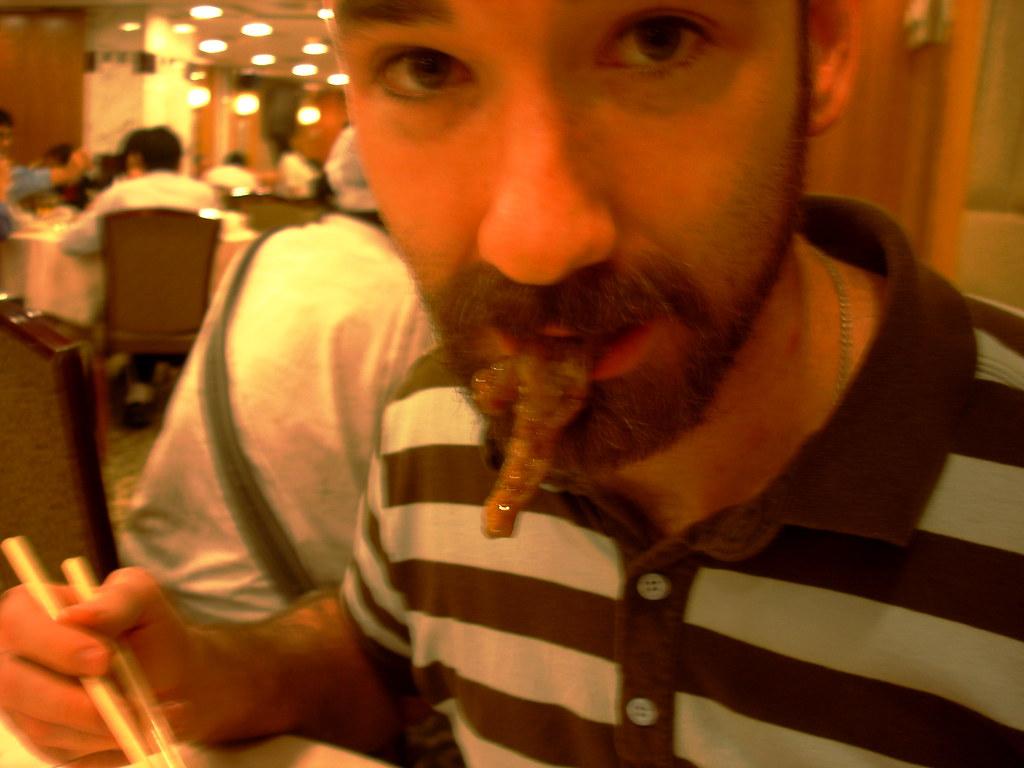
Hong Kong continues to affirm its status as a global dim sum capital, with food critics and locals alike spotlighting several standout venues for the city’s quintessential culinary experience. This summer, food explorers can discover exceptional offerings at Lin Heung Tea House in Central and Tim Ho Wan in Sham Shui Po, both heralded for their authentic flavors and vibrant atmospheres.
Why Dim Sum Remains a Cultural and Culinary Must in Hong Kong
Dim sum is more than just a meal-it's a deeply rooted social tradition that thrives in Hong Kong’s diverse gastronomy. In 2026, the city's resilience after recent disruptive events, including intense typhoons and ongoing global tensions, has bolstered the appeal of communal dining as a symbol of normalcy and tradition. With rising domestic tourism following travel fluctuations, residents and visitors are eagerly seeking out beloved food experiences, placing dim sum restaurants at the heart of Hong Kong's cultural revival.
Restaurants like Lin Heung Tea House, which has been a staple since 1926 on Wellington Street, Central, continue to embody the traditional dim sum experience with its trolley service and classic Cantonese dishes such as har gow and siu mai. Meanwhile, Tim Ho Wan, now a global chain with its flagship at 9-11 Fuk Wing Street in Sham Shui Po, offers Michelin-starred dim sum that marries tradition with affordable pricing-dishes often costing under HK$50.
Dim Sum Delights and Data: What the Numbers Tell Us
The Hong Kong Tourism Board reports a 15% increase in local visits to traditional food establishments in Q1 2026, with dim sum venues leading the surge. On average, a dim sum meal at premier locations like Lin Heung Tea House will run patrons around HK$200 to HK$300 per person, including staples like cheung fun (rice noodle rolls) and egg tarts. Tim Ho Wan's affordable model, with signature dishes like baked buns with BBQ pork starting at HK$22, attracts both budget-conscious diners and gourmet enthusiasts, contributing to its high turnover of up to 1,000 customers daily at the Sham Shui Po branch.
These statistics underscore dim sum's continued relevance not only as a culinary delight but as an economic pillar supporting Hong Kong’s food and beverage sector. The Hong Kong Culinary Academy has also launched a new dim sum masterclass this year, reflecting growing interest among younger generations eager to preserve this heritage craft.
For residents and tourists planning to experience Hong Kong’s best dim sum, weekdays can offer a quieter dining experience, as weekend service often involves long queues, especially at iconic establishments like Lin Heung Tea House. Early afternoon hours starting at 11 a.m. are ideal for sampling freshly steamed offerings. Moreover, the Food Wise Hong Kong campaign encourages responsible dining to minimize waste-a topic diners should keep in mind given the popularity of dim sum’s often shared plates.
With dim sum remaining a delicious link to Hong Kong’s past and a tasty tradition to be savored, now is the perfect time to explore these culinary gems hidden in the city’s heart.