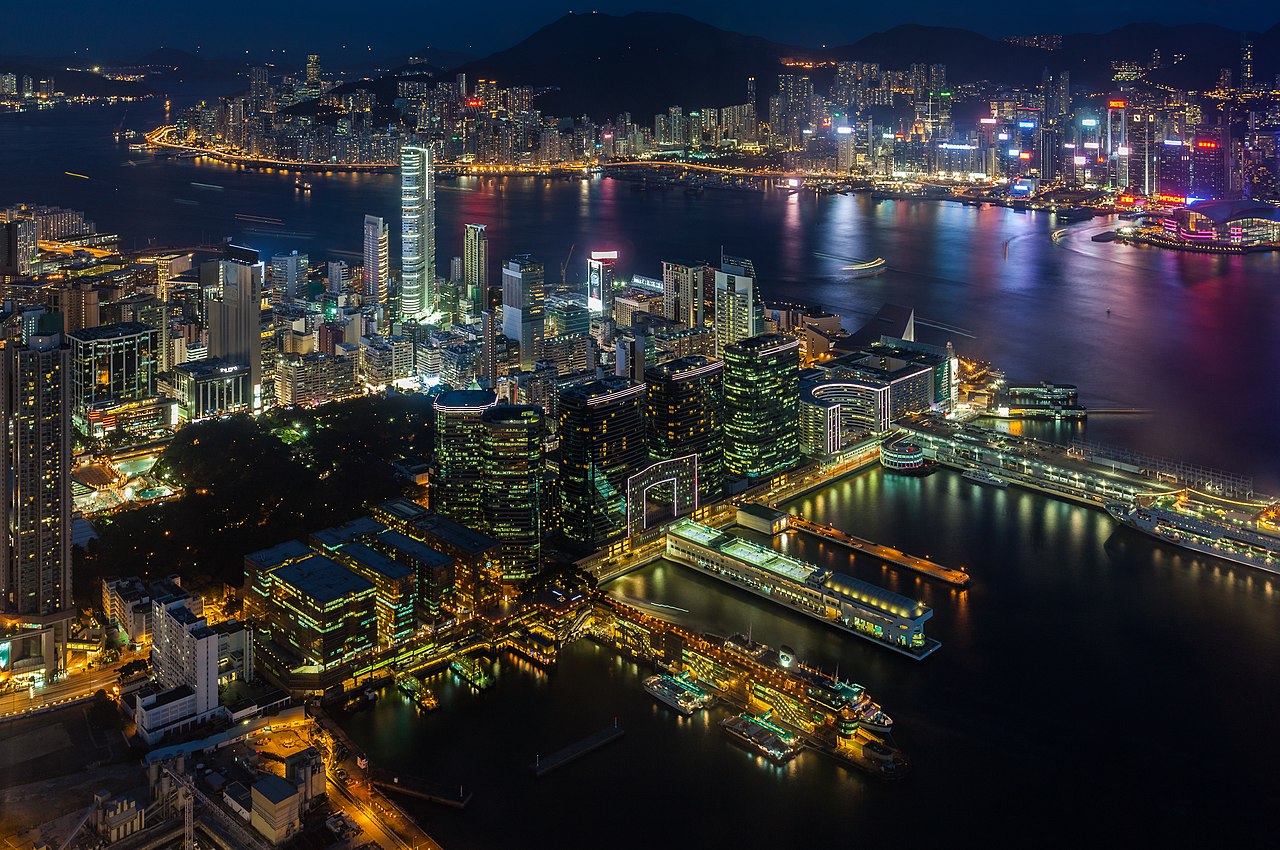
Hong Kong's summer sleep crisis is real. With temperatures regularly hitting 32–35°C and humidity above 80 per cent, combined with the 24-hour hum of Kowloon's streets and paper-thin apartment walls, getting quality rest feels less like wellness and more like survival. But research-backed strategies can help—if you tailor them to local life.
Cool strategically, not constantly. Running air-conditioning all night drives electricity bills toward the HK$2,000+ monthly range many residents already face. A better approach: sleep in a cool room (around 18–20°C) for the first 90 minutes—your body's natural sleep onset window—then allow temperature to drift slightly higher. Studies show this mimics the body's circadian dip without wasteful overnight cooling. Set your unit to timer mode, common on most units sold in Hong Kong shops along Mong Kok's appliance strip.
Lean on morning tai chi, not evening exercise. Tai Chi practitioners in Victoria Park and Kowloon Park start around 6 a.m., when temperatures are cooler and light exposure regulates melatonin production. Evening workouts, even a brief walk along the Peak Tram upper levels or around Central's quieter streets, can elevate core temperature and delay sleep onset—counterproductive when you're already overheated. Morning movement also fits Hong Kong's traditional wellness culture, making adherence easier.
Manage humidity where you sleep. Hong Kong's average indoor humidity sits around 70 per cent in summer; above 60 per cent, sleep quality drops measurably. A small dehumidifier (around HK$800–1,500 from Fortress or Ingenious) in your bedroom alone costs far less to run than whole-flat air-con and reduces mould risk in older buildings—particularly relevant in areas like Sham Shui Po or North Point where older walk-ups are common.
Use noise masking, not silence. Absolute quiet is unrealistic in Hong Kong. White noise—a fan, a app like myNoise.net, or rainfall sounds—masks unpredictable street noise (traffic on Des Voeux Road, late-night deliveries) better than earplugs alone, which many find uncomfortable in heat. Consistent background sound allows your brain to relax rather than alert to each passing motorbike.
Shift your eating window earlier. Large meals 2–3 hours before bed suppress melatonin; in Hong Kong's dinner-at-9 p.m. culture, this is tough. Evidence suggests eating your main meal by 8 p.m., then a light snack (yogurt, fruit) if needed before bed, optimises both digestion and sleep onset—particularly important given the heavy, oily foods common in local cuisine.
Small changes, locally adapted, compound. Consult your doctor or a Department of Health clinic if sleep issues persist beyond four weeks.
This article was compiled by AI from the sources linked above and screened before publishing. See our editorial standards.