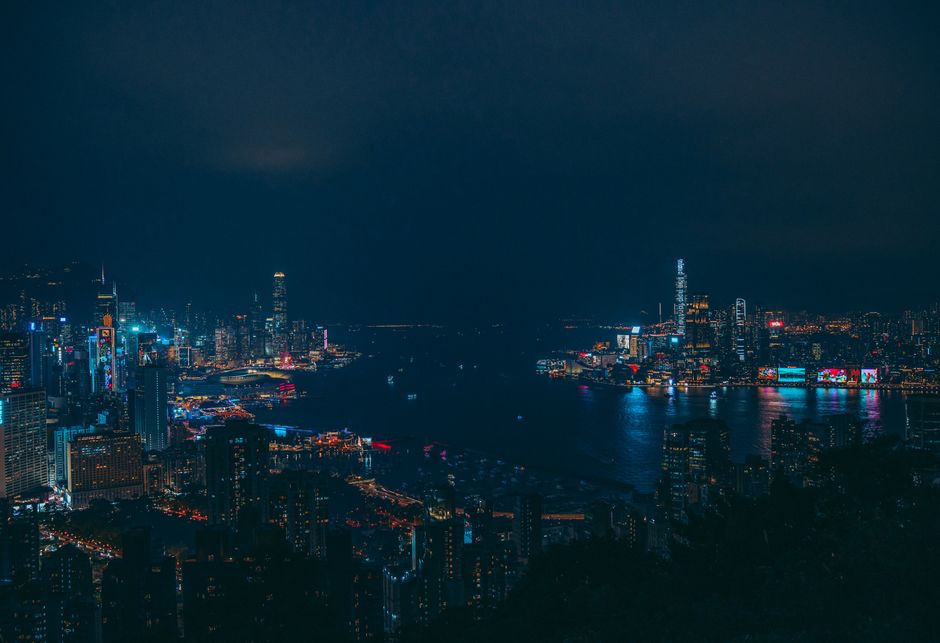
Hong Kong's subtropical climate presents a peculiar hydration puzzle. With summer humidity regularly exceeding 80 per cent and temperatures hovering near 35°C, sweat doesn't evaporate efficiently from skin, creating a false sense of security. You're losing fluids faster than you realise.
The Department of Health recommends 6–8 glasses of water daily for average adults in temperate climates, but Hong Kong requires a different calculation. Urban residents navigating the MTR, office workers without air conditioning, and hikers tackling Dragon's Back or the MacLehose Trail need substantially more. A practical baseline: add 500ml to 750ml of water for every 30 minutes of outdoor activity in heat.
But water alone tells only part of the story. Electrolyte balance—sodium, potassium, and magnesium—becomes critical during prolonged sweating. Sports drinks offer quick carbohydrate replenishment; however, many commercial varieties sold at convenience stores across Causeway Bay and Mong Kok contain 40–50g of sugar per serving. For hikes lasting under 60 minutes, plain water suffices. Beyond that, coconut water (readily available at wet markets in Sheung Wan and Stanley) provides natural electrolytes without excessive sugar.
Local beverage culture offers underrated hydration solutions. Barley tea (大麥茶), traditionally consumed cool at dim sum restaurants, aids digestion while rehydrating. Winter melon tea (冬瓜茶), served chilled at street stalls, is particularly popular post-exercise. Green tea, rich in antioxidants, supports fluid intake when consumed without excess sugar—though avoid caffeinated varieties immediately before outdoor activity, as caffeine increases urine production.
Timing matters as much as volume. Rather than drinking 1 litre at once, sip 150–250ml every 15–20 minutes during outdoor exertion. This steady approach prevents both dehydration and water intoxication (hyponatraemia), a risk when excessive plain water dilutes blood sodium levels.
Individual factors complicate universal guidance. Age, fitness level, medication use, and metabolic rate all influence hydration needs. Someone in their 60s navigating Central's steep pedestrian tunnels requires different fluid strategies than a 30-year-old. Certain medications increase dehydration risk.
The practical reality for Hong Kong residents: carry a refillable water bottle (public fountains exist at most MTR stations and parks). Monitor urine colour—pale yellow indicates adequate hydration; dark yellow signals dehydration. During the summer months, begin hydrating before thirst emerges; thirst is a lagging indicator in heat.
For personalised hydration strategies suited to your age, activity level, or health conditions, consult your local Department of Health clinic or registered dietitian.
This article was compiled by AI from the sources linked above and screened before publishing. See our editorial standards.