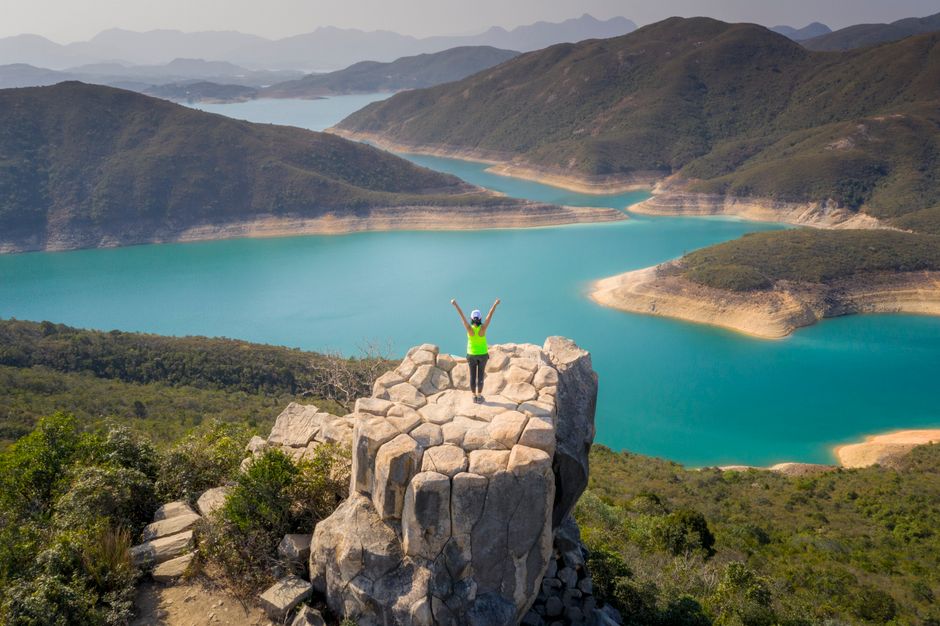
On Saturday mornings across Hong Kong, hundreds gather not for competition but for connection. From the tai chi circles dotting Victoria Park to organised hiking groups tackling Dragon's Back, community fitness challenges have become the city's unexpected social glue—proving that the most powerful workout is often the one you don't do alone.
The statistics tell a compelling story. According to the Department of Health's 2025 wellness survey, participation in group fitness activities has surged 34% across Hong Kong in the past two years. Yet these aren't necessarily gym-based initiatives. Instead, grassroots challenges—neighbourhood fun runs, multi-week hiking competitions, and collective step-counting campaigns—are drawing residents who might otherwise exercise in isolation.
Take the MacLehose Trail community relay series, which has grown from a niche ultra-runners' pursuit into an accessible neighbourhood challenge. Local teams from Sai Kung and Tai Tam now compete in monthly segments rather than the full 100km, making participation realistic for working professionals and parents. Entry fees hover around HK$150–300 per team, far cheaper than boutique fitness studios, yet the camaraderie mirrors that of premium wellness clubs.
In Central and Sheung Wan, Peak Trail fitness meetups organised through community centres and neighbourhood apps have become weekly rituals. The physical benefit is clear—sustained cardiovascular activity on uphill terrain—but residents cite something equally valuable: accountability and belonging. A single jogger might skip a workout; a group commitment rarely does.
This shift reflects a broader wellness philosophy gaining traction among Hong Kong's health professionals. Rather than viewing fitness as a solitary pursuit measured in personal records, community challenges reframe exercise as a collective practice rooted in mutual encouragement. Parks across Kowloon Tong, Causeway Bay, and Wan Chai now host structured group sessions—many free or subsidised by local councils—ranging from tai chi to dynamic stretching programmes designed for joint protection.
The mental health dimension shouldn't be overlooked. In a city where stress-related illness remains prevalent, group fitness offers structured social contact alongside physical activity. A study by Hong Kong Baptist University last year found that participants in community fitness challenges reported 28% higher engagement with exercise compared to solo practitioners.
For those interested in joining, most District Sports Associations and community centres maintain updated calendars of local challenges. Many welcome newcomers regardless of fitness level, recognising that the real victory isn't crossing a finish line first—it's crossing it together.
This article was compiled by AI from the sources linked above and screened before publishing. See our editorial standards.