Walk through Central on any weekday morning, and you'll spot yoga mats rolling into converted lofts on Pedder Street. Head to Victoria Park on a weekend, and meditation circles dot the grass near the tennis courts. Hong Kong's relationship with yoga and meditation has shifted dramatically over the past five years, transforming from fringe wellness pursuits into mainstream lifestyle staples that now rival tai chi in the city's cultural fabric.
The numbers tell the story. According to fitness industry surveys, yoga studio memberships across Hong Kong have grown by approximately 40% since 2021, with studios now operating in every major neighbourhood—from Sheung Wan's intimate practice spaces to sprawling wellness complexes in Causeway Bay and Tsim Sha Tsui. Class fees typically range from HK$150 to HK$250 per session, with monthly unlimited memberships hovering around HK$1,500 to HK$2,500, reflecting growing demand and accessibility.
What's driving this shift? Partly, it's pragmatic. Hong Kong's frenetic pace—ranked consistently among world cities with highest stress levels—has created fertile ground for practices emphasising breath work and stillness. The Department of Health's ongoing mental wellness initiatives have also legitimised meditation as a complementary approach to managing anxiety and sleep issues, positioning it alongside traditional preventive care.
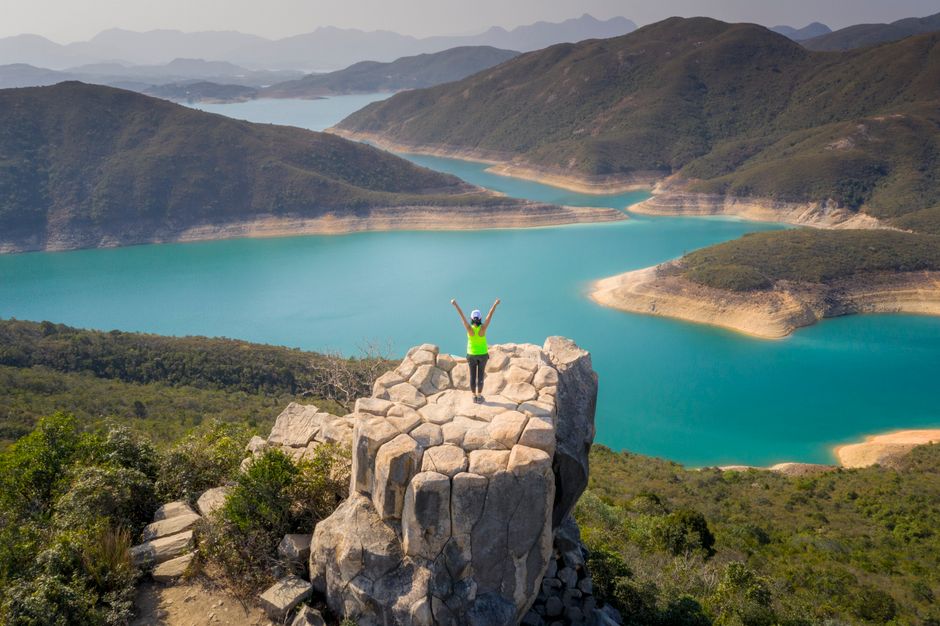
The integration with Hong Kong's existing wellness landscape has been seamless. Morning tai chi practitioners in Kowloon Park now share space with yoga enthusiasts. Hikers tackling the Dragon's Back trail or sections of the MacLehose Trail increasingly incorporate meditation breaks at scenic overlooks. Local community centres, from Sham Shui Po to Wong Tai Sin, now offer subsidised meditation classes alongside their traditional fitness programmes.
What distinguishes Hong Kong's adoption is its fusion approach. Rather than wholesale Western importation, local studios blend classical yoga and Zen meditation with traditional Chinese wellness philosophies—creating hybrid classes that resonate with the city's bicultural identity. Some instructors weave in Cantonese terminology; others reference meridian work alongside asana practice.
Social media amplification has certainly helped. Instagram feeds overflow with sunset meditation sessions at Repulse Bay or studio shots from Wan Chai's growing wellness corridor. Yet the trend extends beyond aesthetics. Workplace wellness programmes increasingly include meditation modules, and corporate retreats to nearby New Territories retreat centres have become commonplace.
For those new to these practices, Hong Kong offers abundant entry points: community centres offer affordable classes, while apps tailored for Cantonese speakers have lowered language barriers. The wellness shift feels less like trend and more like infrastructure—a quiet reordering of how the city approaches health beyond the purely physical. For busy Hongkongers, meditation and yoga have become not luxuries, but essentials.
This article was compiled by AI from the sources linked above and screened before publishing. See our editorial standards.