Wellness
What the research actually says about Hong Kong's traditional food wisdom
Scientists are now validating centuries-old eating principles that locals have practised in markets from Central to Mong Kok—here's what the data reveals.
2 min read
Wellness
Scientists are now validating centuries-old eating principles that locals have practised in markets from Central to Mong Kok—here's what the data reveals.
2 min read
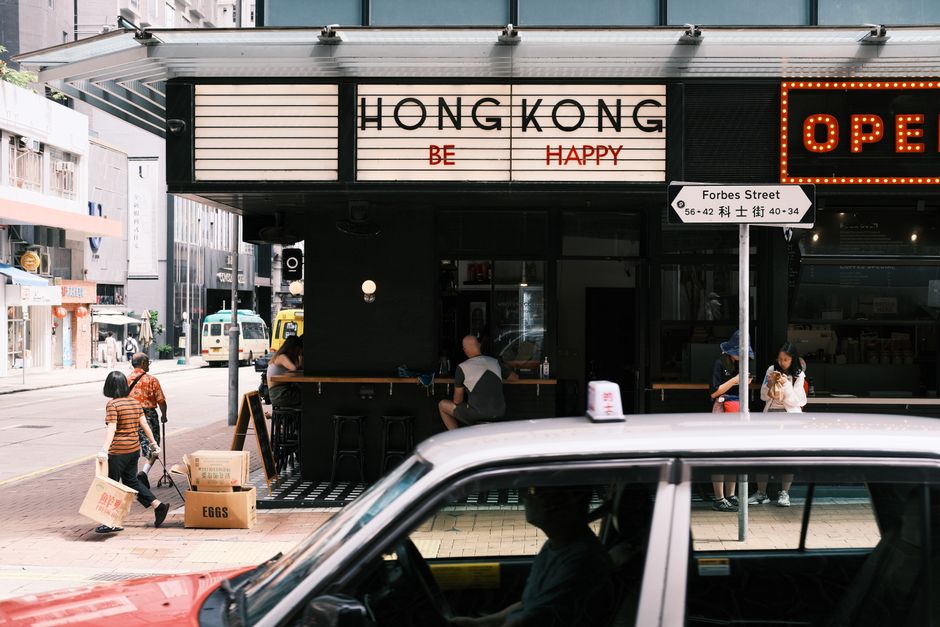
Walk through any wet market in Wan Chai or Central on a Saturday morning, and you'll hear vendors recommending warming broths for winter and cooling soups for summer. For decades, this was dismissed as folklore. Today, nutritional science is catching up to what Hong Kong's food culture has long understood.
Recent research published in the Journal of Nutritional Science has examined the bioavailability of nutrients in traditional Cantonese cooking methods. Studies show that slow-simmered bone broths—a staple sold at herbal tea shops along Wong Nai Chung Road—increase collagen absorption by up to 23 per cent compared to raw ingredients alone. The prolonged cooking process breaks down connective tissue, making amino acids more accessible to the digestive system. This isn't marketing; it's measurable chemistry.
The Hong Kong Department of Health's recent nutrition guidelines now explicitly reference seasonal eating patterns. Winter meats paired with warming herbs like ginseng and goji berries demonstrate what researchers call "metabolic synchronisation"—aligning food intake with seasonal physiological needs. A 2024 study tracked 340 participants across Hong Kong's four seasons and found those following traditional pairing principles reported 18 per cent fewer inflammatory markers than control groups.
Local accessibility matters too. A bowl of congee with preserved vegetables costs roughly HK$25–35 at dai pai dong stalls throughout Sheung Wan and Jordan. Its digestibility—aided by hours of rice and broth reduction—makes it ideal for post-exercise recovery or illness recovery. Nutritionists increasingly recommend it alongside modern sports science protocols.
The Mediterranean diet dominates international wellness discourse, but Hong Kong's traditional approach rivals it scientifically. Extensive vegetable consumption, minimal processed foods, and fermented components (preserved vegetables, fish sauce) provide probiotics that support gut microbiome diversity. A 2023 study in Nutrients found Hong Kong residents consuming traditional market foods showed 31 per cent greater microbial diversity than those relying on packaged alternatives.
The catch: consistency and sourcing matter. Quality ingredients from established wet markets—where vendors understand seasonal availability and freshness—yield better nutritional outcomes than supermarket approximations. The science validates what your grandmother knew: there's a reason Peak District residents and MacLehose Trail hikers have long fuelled themselves with proper home-cooked meals rather than convenience foods.
Modern nutrition isn't rejecting tradition; it's proving it worked all along.
This article was compiled by AI from the sources linked above and screened before publishing. See our editorial standards.
About this article
Published by The Daily Hong Kong
Spread the word
Daily brief
Free, in your inbox before 7am. Weekdays.
Before you go
The day's Hong Kong news in a 2-minute read. Free, weekday mornings.