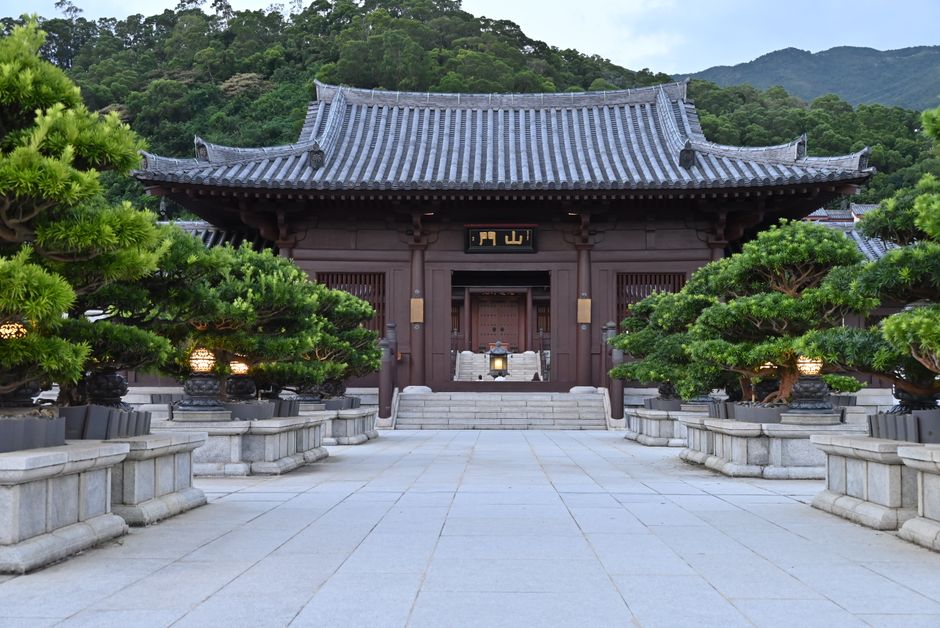
Walk through Victoria Park at dawn and you'll witness Hong Kong's longest-running wellness tradition: dozens of seniors moving through tai chi forms as the city wakes. Yet step into a modern gym in Central or Causeway Bay, and the picture shifts. Unlike Australia, where senior fitness classes now account for over 18% of gym memberships, or the UK's thriving active-ageing sector, Hong Kong's formal senior wellness infrastructure remains fragmented—a mix of traditional practices and emerging commercial initiatives competing for traction.
The contrast is stark. According to the Department of Health, approximately 20% of Hong Kong's population will be aged 65 or over by 2030. Yet structured mobility and strength programmes targeting this cohort remain limited compared to overseas counterparts. A 2025 survey by the Hong Kong Physiotherapy Association found only 34% of seniors over 70 engaged in regular supervised exercise, compared to 52% in Singapore and 61% in New Zealand.
What Hong Kong lacks in gym penetration, however, it compensates for through embedded cultural practice. The morning tai chi gatherings in parks across Aberdeen, Mong Kok, and along the waterfront near Central represent decades-old preventative wellness. These free, community-led sessions offer genuine mobility benefits—balance, flexibility, and fall prevention—without the commercial framing increasingly dominant overseas.
The local shift is accelerating. The Government's Active Ageing scheme, launched in partnership with neighbourhood sports centres across Sha Tin, Tuen Mun, and Eastern District, now offers subsidised strength and mobility classes for residents aged 60-plus at around HK$50 per session. Private operators like Fitness First and Virgin Active have introduced dedicated senior classes, though at HK$200-300 monthly, uptake remains concentrated in wealthier districts like Repulse Bay and The Peak.
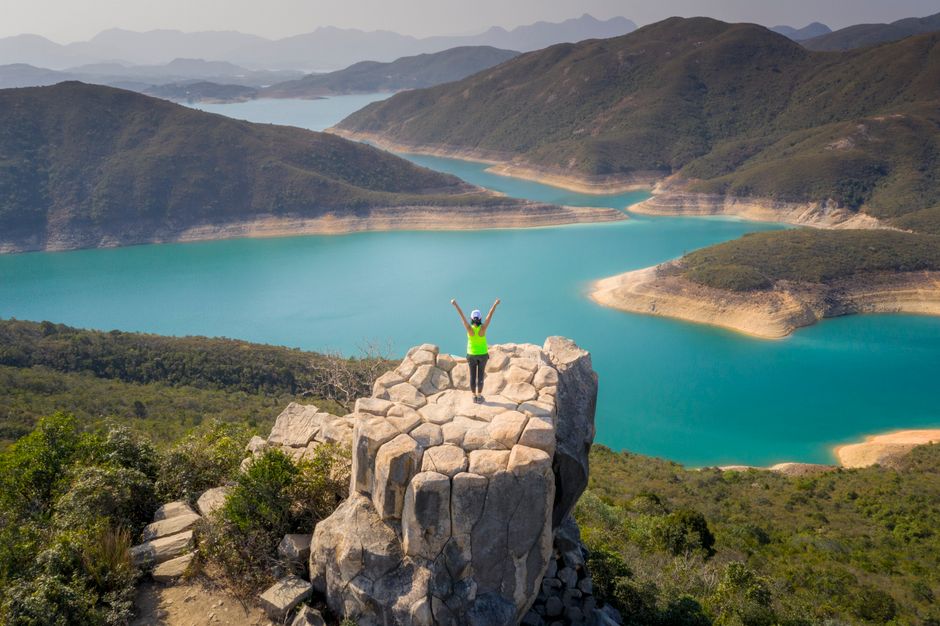
International trends emphasise integration: the Nordic walking movement, for instance, has swept Scandinavia and North America, combining cardiovascular benefit with accessible social engagement. Hong Kong's MacLehose Trail community has begun formalising guided senior hikes—a locally adapted model gaining quiet momentum among retirees exploring sections between Sai Kung and the New Territories.
The real opportunity lies in scaling what works locally. Victoria Park's tai chi culture proves Hong Kong seniors will commit to regular practice when it's free, accessible, and socially embedded. The challenge: bridging the gap between beloved tradition and evidence-based strength training. As global data underscores mobility's role in independence and longevity, Hong Kong's wellness sector—government, commercial, and community-led—is finally recognising that active ageing need not follow Western templates. It can build on what already exists.
For personalised guidance on mobility and fitness, consult your local Department of Health clinic or a chartered physiotherapist.
This article was compiled by AI from the sources linked above and screened before publishing. See our editorial standards.