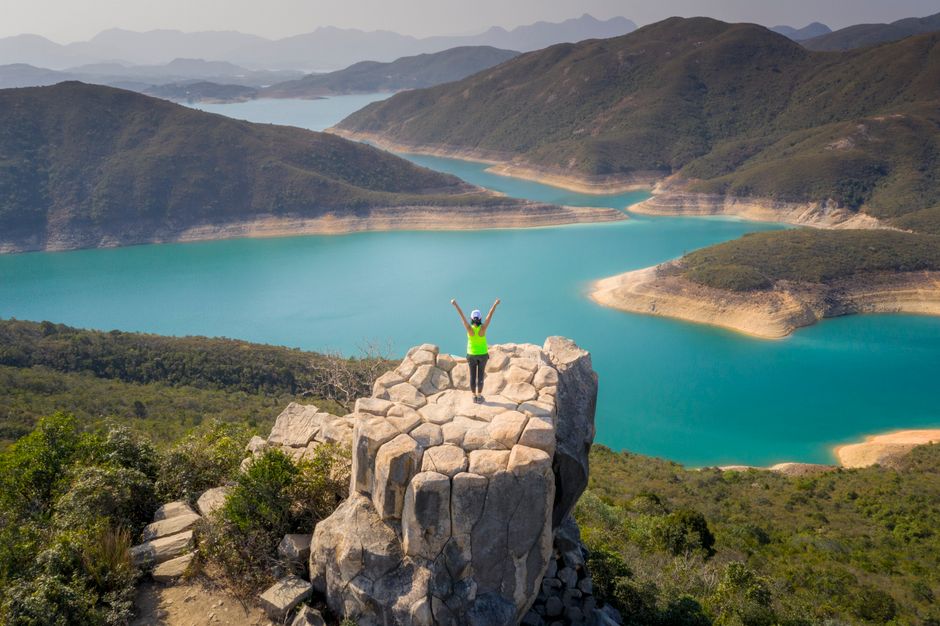
Global wellness data tells a compelling story: trail running participation has jumped 40% across North America and Europe since 2022, with outdoor fitness now commanding a larger budget share than traditional gym memberships. Yet in Hong Kong, where the Peak Trail and Dragon's Back rank among Asia's most scenic running routes, uptake remains fragmented—a paradox worth examining.
The numbers suggest untapped potential. While international trail running events now draw tens of thousands, Hong Kong's signature races like the MacLehose Trail 100km relay attract committed enthusiasts but haven't yet broken into mainstream wellness consciousness. A 2025 survey by the Hong Kong Outdoor Running Association found that only 18% of regular exercisers incorporate trail routes into their weekly fitness regimen, compared to 31% in Singapore and 45% in Australia.
Local geography should be an advantage. Within 30 minutes of Central, runners can access diverse terrain: the serpentine paths of Victoria Peak, the coastal stretches near Stanley and Repulse Bay, or the challenging ascents toward Lantau Island. The New Territories offer extensive networks through Tai Wai and Plover Cove. Yet accessibility hasn't translated to adoption.
Several factors explain the gap. Hong Kong's humid subtropical climate presents genuine challenges—summer temperatures and pollution alerts sideline casual runners who dominate trail participation elsewhere. Equipment costs remain high; specialist trail shoes from international brands run HK$1,200–1,800, pricing out budget-conscious fitness enthusiasts. Community infrastructure lags too: while Tai Chi parks dot the territory and attract thousands daily, dedicated trail running clubs remain concentrated in affluent districts like Repulse Bay and Sai Kung.
Yet change is visible. The Department of Health's expanded outdoor fitness signage and partnerships with District Councils suggest growing institutional support. Social media has normalized morning trail groups—hashtags tracking Peak Trail dawn runs now generate thousands of posts monthly. Running retailers in Mong Kok and Causeway Bay report 25% annual growth in trail-specific inventory.
The global trend prioritizes accessibility and community: trail running appeals precisely because it feels less regimented than gyms. Hong Kong possesses the terrain and climate stability to compete with international destinations, but must close gaps in affordable entry points, cultural messaging, and mid-level community infrastructure.
For those considering Hong Kong's trails, start local: Repulse Bay's gentle coastal loops or the well-marked Tai Tam Waterworks Heritage Trail near Quarry Bay offer accessible entry points. Consult local running clubs or the Department of Health's fitness guides before attempting longer routes. The infrastructure for Hong Kong's trail-running renaissance exists—what's needed is awareness and invitation.
This article was compiled by AI from the sources linked above and screened before publishing. See our editorial standards.