Walk into any morning park across Hong Kong and you'll spot clusters of residents practising tai chi. Yet for those seeking structured yoga and meditation—increasingly popular among young professionals and retirees alike—the landscape has long been dominated by expensive private studios in Causeway Bay and Central. Few realise that a comprehensive, subsidised alternative exists quietly across the city's public health infrastructure.
The Department of Health's Community Health Service Centres (CHSCs) operate yoga and mindfulness programmes in over 18 locations, from Wan Chai to Sham Shui Po, charging between HK$20–80 per session compared to HK$250–400 at private chains. The Causeway Bay CHSC on Sugar Street runs weekly hatha yoga classes and guided meditation workshops targeting stress management and musculoskeletal wellness. Similarly, the Sheung Wan centre offers evening vinyasa flow sessions designed for office workers recovering from desk strain.
"These facilities fill a genuine gap," notes wellness advocates who track Hong Kong's health equity. Demand has surged 34% across Department of Health wellness programmes since 2024, according to public health monitoring data, reflecting growing interest in holistic approaches beyond pharmaceutical intervention.
What makes these centres particularly valuable is their integration with broader preventive care. Instructors—many holding international certifications—tailor classes for specific demographics: gentle restorative sessions for older adults mirror the philosophical lineage of morning tai chi culture in parks like Victoria Park, while dynamic classes appeal to younger practitioners. The Tsim Sha Tsui CHSC has introduced fusion workshops combining traditional pranayama breathing with modern postural correction, addressing Hong Kong's epidemic of tech-neck and stress-related tension.
Access is straightforward. Most centres require advance booking via their websites or telephone hotlines; the Kowloon City CHSC accepts walk-ins for introductory sessions. Classes typically run 45–60 minutes, three to five times weekly depending on location.
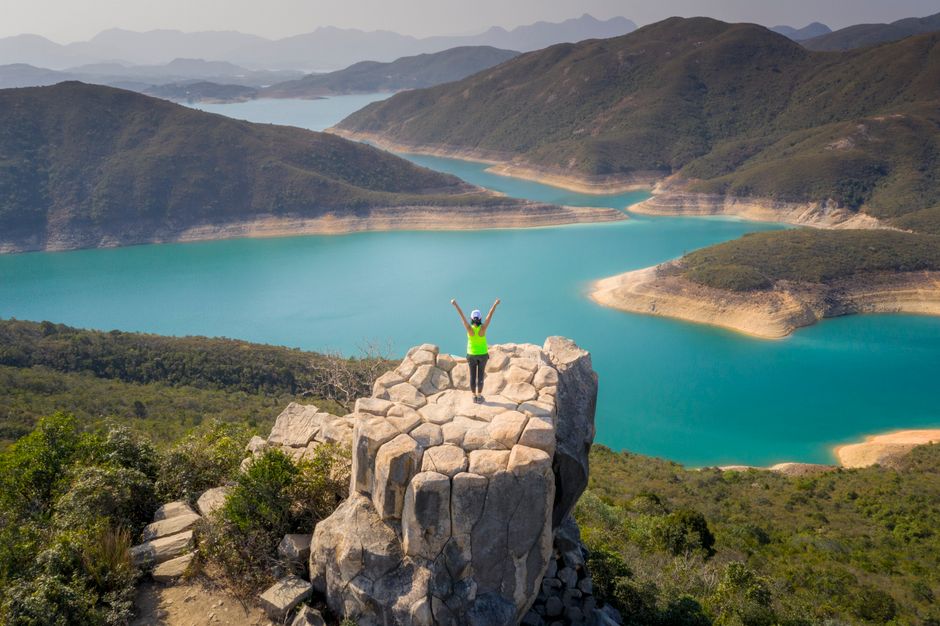
The real advantage extends beyond affordability. These programmes connect participants to other preventive services—nutritionists, chronic disease counselling, and allied health professionals—creating a genuinely holistic ecosystem. For those hiking the MacLehose Trail or recovering from weekend exertion on Dragon's Back, post-activity yoga sessions help prevent repetitive strain injury.
If you're overwhelmed by private studio pricing or simply seeking community-centred wellness rooted in Hong Kong's public health commitment, your nearest Department of Health centre deserves a visit. Check health.gov.hk for current schedules and locations.
For personalised health advice, consult your local medical professional or Department of Health clinic.
This article was compiled by AI from the sources linked above and screened before publishing. See our editorial standards.