Wellness
Climbing Together: How Hong Kong's Fitness Challenges Are Redefining Community Wellness
From Tai Chi dawn meets to organised hiking events, group fitness challenges are strengthening bonds—and bodies—across our neighbourhoods.
2 min read
Wellness
From Tai Chi dawn meets to organised hiking events, group fitness challenges are strengthening bonds—and bodies—across our neighbourhoods.
2 min read
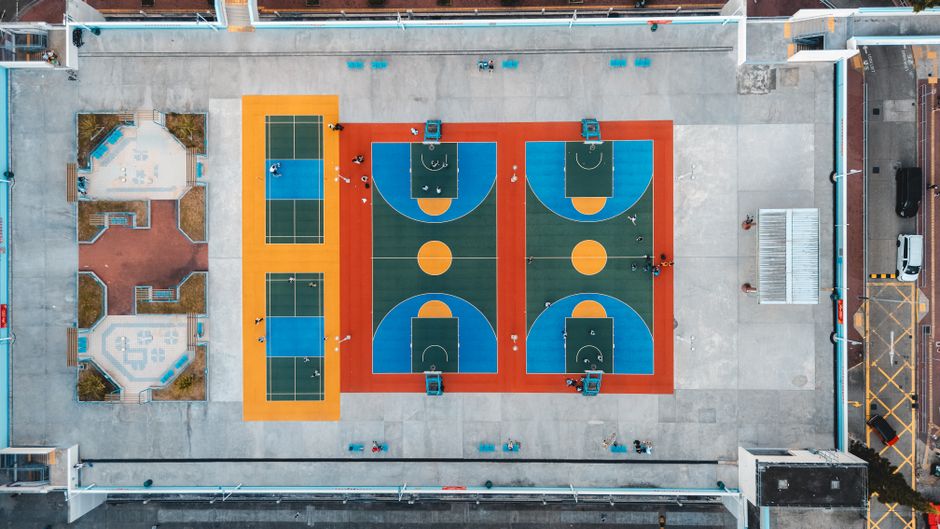
On any given Saturday morning, Victoria Park fills with hundreds of runners stretching before their weekly 10km community challenge. What began as informal meetups has evolved into one of Hong Kong's most vibrant wellness ecosystems, where fitness challenges do more than track personal metrics—they knit neighbourhoods together.
Community fitness events have surged across Hong Kong over the past three years. The Department of Health's Community Sports Development Programme has documented a 34% increase in group exercise participation at district centres since 2024. From Causeway Bay to Mong Kok, from Stanley to Sai Kung, organised challenges have become the social fabric of local wellness culture.
The appeal is straightforward. Traditional tai chi in Hong Kong parks—especially morning sessions in Kowloon Park or along the Star Ferry waterfront—have long anchored neighbourhood routines. But modern fitness challenges extend this model. Organisations like Hong Kong Hiking and the MacLehose Trail volunteer network have pioneered accessible challenge formats: 50km weekend treks broken into manageable day hikes, corporate relay races up Peak Trail, and neighbourhood step-counters competing across districts.
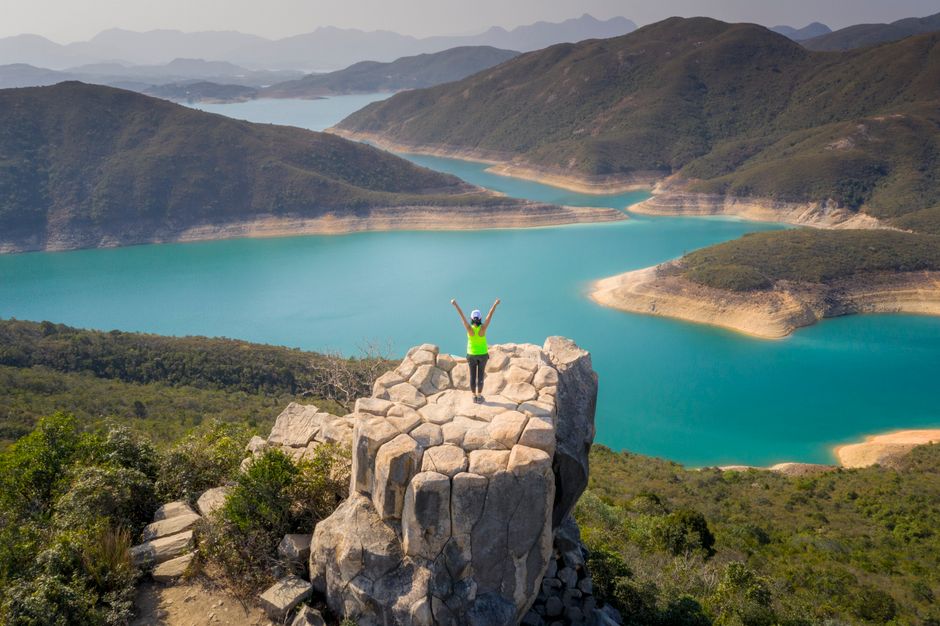
Take the Dragon's Back hiking challenge, which attracts walkers of all ages weekly. Unlike solitary training, group challenges create accountability and celebration. Participants span generations—retirees logging their miles alongside young professionals—building intergenerational connections that urban life often fragments.
Pricing matters. Most community-run challenges cost $50–$150 per person, with discounts for seniors and students. District sports centres offer free or subsidised group exercise classes, removing financial barriers. MTR stations near major trailheads see weekend surges of participants, proving accessibility drives participation.
Beyond the physical benefits—improved cardiovascular health, joint protection through consistent movement—these events address isolation. Hong Kong's dense urban environment can feel paradoxically lonely. Group fitness challenges create structured social contact, reducing the mental health strain many experience. Participants report stronger neighbourhood connections and motivation to maintain regular exercise.
The momentum is building. Summer 2026 sees expanded challenges: Central's 8-week stair-climbing series, Tuen Mun waterfront running clubs, and New Territories cycling events. Social media groups tracking these challenges have grown to tens of thousands of members sharing routes, tips, and encouragement.
For Hong Kong residents seeking fitness with purpose, these community challenges offer something gym memberships cannot: belonging. In a city that values efficiency and results, the unexpected gift of group fitness challenges is connection itself.
This article was compiled by AI from the sources linked above and screened before publishing. See our editorial standards.
About this article
Published by The Daily Hong Kong
Spread the word
Daily brief
Free, in your inbox before 7am. Weekdays.
Before you go
The day's Hong Kong news in a 2-minute read. Free, weekday mornings.