Walk into any of Hong Kong's Department of Health clinics across districts from Wan Chai to Tsuen Wan, and you'll notice a quiet revolution taking place. Preventive health screenings—once a peripheral concern for many—have become as integral to local wellness routines as tai chi in Victoria Park.
The shift is real. The Department of Health's Integrated Preventive Care Programme has seen uptake surge by nearly 40% over the past three years, with cervical cancer screening and colorectal cancer programmes recording unprecedented participation rates among residents aged 45 and above. Meanwhile, private screening clinics in Central and Causeway Bay report bookings stretching three months ahead, a marked change from pre-2024 patterns.
What's driving this trend in a city historically stretched between work hustle and health complacency? Experts point to a confluence of factors: ageing demographics, digital health awareness campaigns, and a generation of Hongkongers who've watched family members navigate late-stage diagnoses. The cultural narrative is shifting from treating disease to preventing it.
"People are realising that a 30-minute clinic visit twice a year can save months of treatment later," explains Dr Raymond Wong, medical director at a Central wellness centre, reflecting industry-wide observations rather than clinical expertise alone. The logic is straightforward: early detection of hypertension, diabetes, and cancers—Hong Kong's leading health threats—costs far less in time and money than intervention.
Local healthcare providers have responded pragmatically. The Hospital Authority now offers streamlined screening packages at regional centres across Kowloon, the New Territories, and the Islands. Private insurers increasingly subsidise preventive checks, recognising their long-term cost benefits. Even corporate wellness programmes—once limited to expat-heavy firms in Central—now penetrate small and medium-sized businesses across Mong Kok and Sheung Wan.
Price remains a consideration. Basic Department of Health screenings cost under HK$500, while comprehensive private packages range from HK$3,000 to HK$10,000. This accessibility gap has narrowed, yet inequality persists. Community health ambassadors working through local NGOs in districts like Sham Shui Po are helping close the information gap for elderly and lower-income residents.
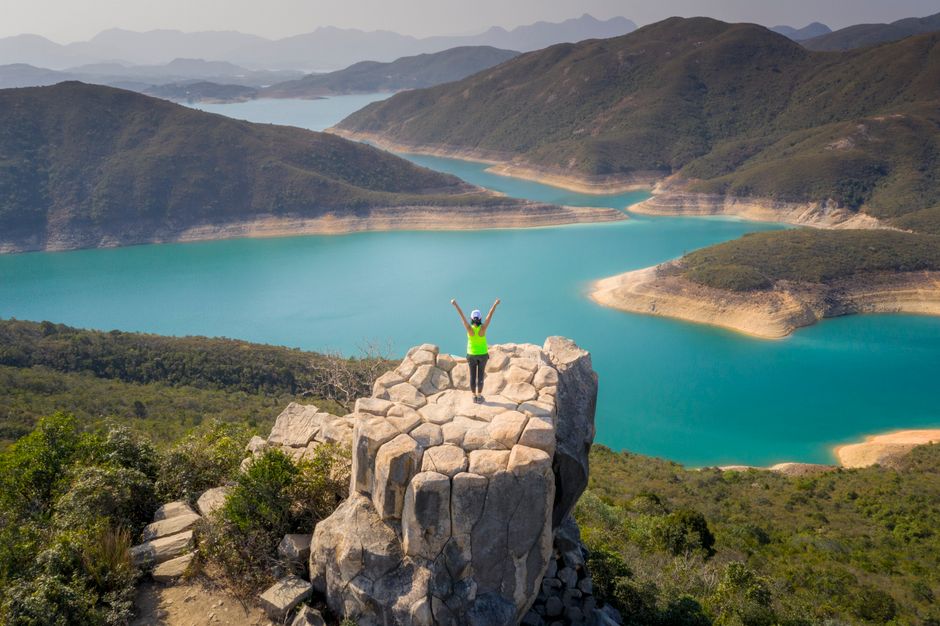
The Peak Trail hikers and Dragon's Back trekkers increasingly see preventive health checks not as interruptions to their active lives, but as essential maintenance—akin to the body's own version of trail preparation. It's a modest but meaningful cultural pivot: Hongkongers are learning that longevity isn't just about running marathons or perfecting downward dog. It's about knowing your numbers, catching problems early, and staying informed.
Consult your local Department of Health clinic or a registered medical professional to discuss which screenings suit your age and risk profile.
This article was compiled by AI from the sources linked above and screened before publishing. See our editorial standards.