Hong Kong's outdoor running boom: where local trail culture meets the global fitness revolution
While Peloton and app-based workouts dominate Western wellness, Hong Kong runners are rediscovering the city's natural routes—and health data suggests the shift is real.
This article was generated by AI from the linked public sources. The Daily Hong Kong is independently owned and covers Hong Kong news free from advertiser or sponsor influence. Read our editorial standards →
Walk through Victoria Park on any Saturday morning, and you'll see clusters of runners stretching near the track. But venture beyond the manicured athletics grounds, and a quieter trend emerges: Hong Kong's embrace of outdoor trail running, a movement that mirrors—yet distinctly differs from—global fitness culture sweeping through London, New York, and Sydney.
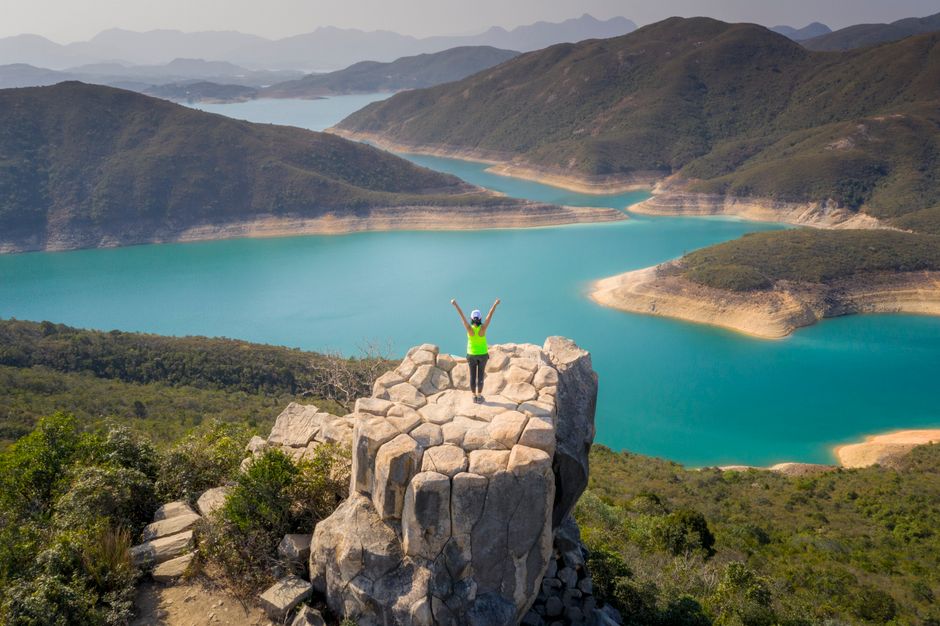
While international wellness tends to consolidate indoors, driven by subscription gyms and digital coaching apps, Hong Kong's runners are gravitating toward the raw topography that defines the territory. The Tai Tam Gap loop, Dragon's Back trail in Shau Kei Wan, and sections of the MacLehose Trail have become informal running hubs. Local running clubs like Hash House Harriers and smaller meetup groups organise weekly treks through the New Territories, drawing participants who cite connection to landscape—not just calorie counts—as primary motivation.
The uptake is measurable. Strava, the fitness tracking app, shows trail running activities in Hong Kong's outlying islands and the Mid-Levels have doubled since 2023. Yet adoption lags Western cities. A 2025 Hong Kong Sports Institute survey found that 22% of regular exercisers use trails as primary venues, compared to 34% in Melbourne and 41% in Vancouver—figures suggesting local runners still favour road running and gym-based routines.
Geography explains part of this gap. Hong Kong's compressed urban form means a 20-minute commute from Central can land you on Lantau's ridge paths or the Shing Mun Reservoir circuit near Tai Wai. Yet the infrastructure differs from Western trail-running destinations. Unlike purpose-built trail networks in Colorado or the English Lake District, Hong Kong's routes emerged organically from hiking culture—maintained primarily by the Hong Kong Hiking Federation and volunteer groups rather than dedicated sports authorities.
Cost also shapes participation. A gym membership in Central runs 150–250 HKD weekly; running is free, attracting budget-conscious fitness seekers. Meanwhile, specialist running shops clustered around Causeway Bay and Mong Kok—including local chains and international brands—report strong demand for trail shoes, signalling growing investment in the activity.
What emerges is a uniquely Hong Kong pattern: outdoor fitness driven by accessibility and landscape intimacy rather than the aspirational, app-connected culture dominating global wellness media. For visitors or residents seeking active exploration, the Department of Health's community sports programmes and local running clubs offer accessible entry points. The trend suggests Hong Kong runners are charting a path distinct from international playbooks, one rooted in terrain rather than technology.
This article was compiled by AI from the sources linked above and screened before publishing. See our editorial standards.
Covering wellness in Hong Kong. This article was generated by AI from the linked sources and was not reviewed by a human editor before publishing. See our editorial standards.