Walk through Victoria Park on any morning and you'll witness Hong Kong's quiet wellness revolution. Dozens of seniors move through tai chi sequences as dawn breaks over the skyline, their deliberate motions a counterpoint to the city's frenetic pace. This isn't nostalgia—it's the vanguard of a citywide shift toward active ageing that's fundamentally reshaping how Hong Kong approaches wellness in later life.
The numbers tell the story. Hong Kong's population aged 65 and above now exceeds 1.4 million, roughly 20 per cent of the total. Yet rather than retreat, this demographic is increasingly visible on the city's most demanding trails. Data from the Department of Health's Active Ageing programme shows participation in structured mobility classes among over-60s has doubled since 2022, with waitlists at community centres across Hong Kong Island, Kowloon, and the New Territories now stretching months.
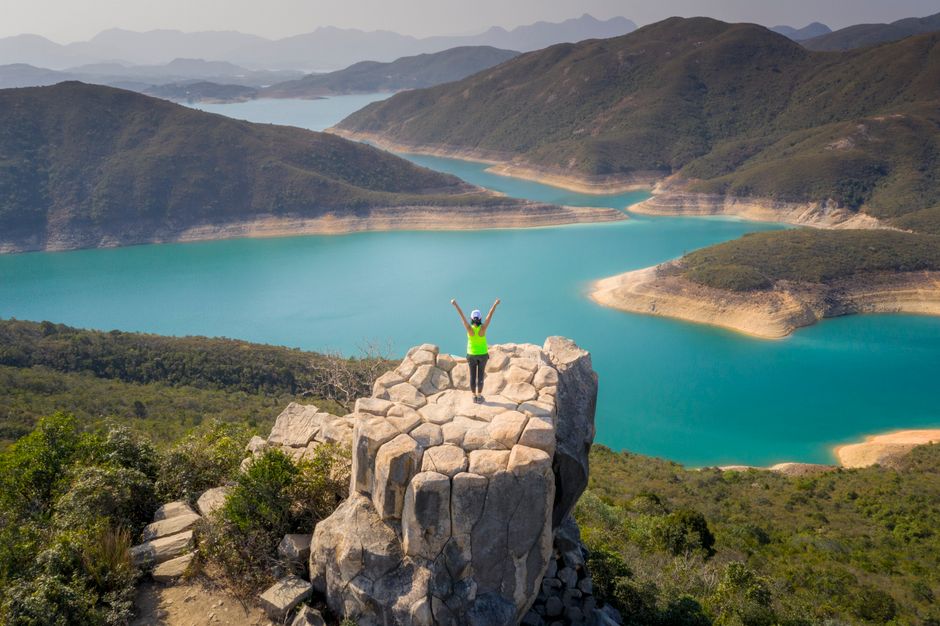
The MacLehose Trail, that gruelling 100-kilometre spine across the New Territories, has become emblematic of this shift. Once dominated by younger hikers, sections now accommodate slower-paced group walks organised by local NGOs. Similar patterns emerge on Dragon's Back, the Shau Kei Wan-to-Shek O ridge walk beloved for its accessibility and views, where guided senior groups gather weekly.
"Mobility isn't about speed," explains the philosophy underpinning most programmes now offered through neighbourhood leisure centres. Classes emphasise joint protection—a concern increasingly central to Hong Kong wellness culture—through low-impact movement. Swimming at public pools costs as little as HK$17 per session; tai chi classes at community centres run HK$30–50 weekly. These aren't luxury offerings, making them genuinely accessible across socioeconomic lines.
Causeway Bay's Eastern Sports Centre and similar venues across Aberdeen, Mong Kok, and North Point now host dedicated senior fitness hours, with physiotherapy consultations available through Department of Health clinics territory-wide. Private wellness providers have noticed too: boutique studios from Central to Sha Tin now market programmes explicitly toward active agers, though community centre offerings remain the backbone.
What's remarkable isn't just participation—it's the social architecture built around it. Walking groups coalesce around neighbourhood landmarks; morning park communities have transformed into informal peer-support networks. The Peak Trail draws mixed-age groups, but seniors increasingly set the pace, transforming it from a speed challenge into a social anchor.
This trend reflects a deeper cultural pivot: from viewing ageing as decline to embracing it as a phase requiring intentional movement practice. For a city once synonymous with youthful ambition, that recalibration feels revolutionary. Hong Kong's active-ageing movement isn't about defying age—it's about redefining what capability looks like at every stage of life.
This article was compiled by AI from the sources linked above and screened before publishing. See our editorial standards.