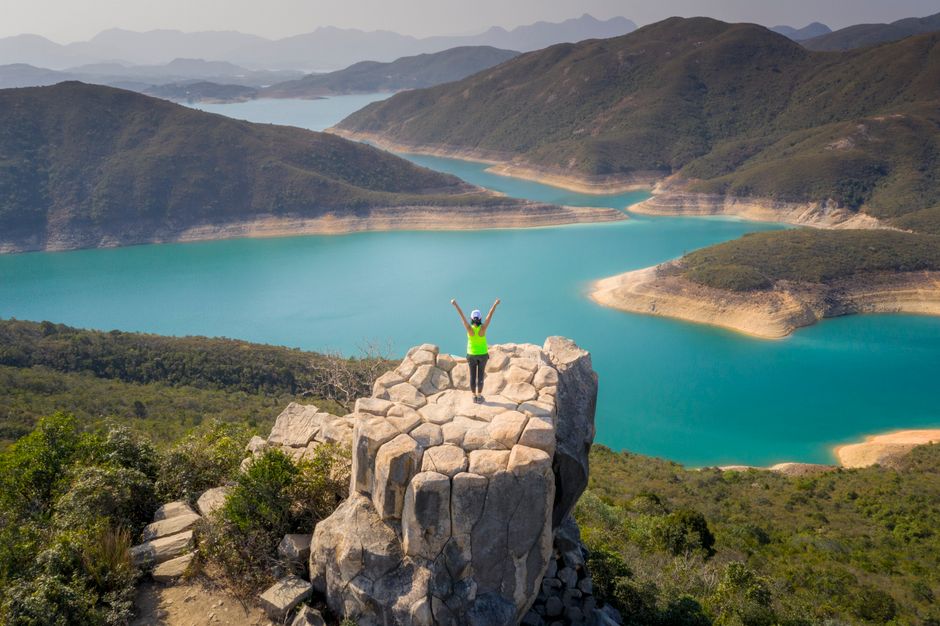
Hong Kong's outdoor running culture thrives on challenge, but our subtropical climate demands smarter strategy than generic training plans. Recent sports science research—and feedback from local running clubs—reveals which evidence-based approaches actually prevent injury and boost performance on trails like Dragon's Back and the MacLehose Trail.
Hydration timing beats drinking on thirst alone. Studies published in the Journal of Athletic Training show that in high-humidity environments (Hong Kong averages 75–80% year-round), waiting until you feel thirsty means you're already mildly dehydrated. The Hong Kong Road Runners and local sports medicine practitioners recommend starting hydration 15 minutes before running, then drinking 150–250ml every 15 minutes during effort. This is especially critical on exposed stretches like Dragon's Back, where wind increases evaporative loss—and where water stations don't exist.
Adjust pace for elevation gain, not just distance. Many runners treat Peak Trail and the Central-Western routes as simple distance targets. Research from the American Journal of Sports Medicine shows that pace should drop 20–30% per 500m elevation gain in warm conditions. A 5km/h run on flat terrain becomes a sustainable 3.5km/h climb—not laziness, but physiology. Apps like Strava now display elevation metrics; use them to set realistic goals rather than chasing speed records on inclines.
Train seasonally. Hong Kong's summer (May–September) brings heat and monsoon rain; winter (December–February) offers 15–20°C conditions ideal for longer runs. Data from local running clubs shows injury rates spike 30% during peak summer months. Consider shifting high-mileage weeks to winter, when the MacLehose Trail is most runnable, and using summer for shorter, high-intensity sessions or swimming cross-training.
Choose trails with reliable facilities. Tai Tam Country Park and Kowloon Peak routes have regular water points and escape routes; remote sections of the MacLehose don't. Runners who pre-identify aid locations and loop-based routes (rather than linear point-to-point trails) report fewer emergency call-outs and better pacing consistency.
Start strength work for technical terrain. Hong Kong's rocky, rooted trails demand ankle and hip stability that road running doesn't develop. Research in Physical Therapy Reviews confirms that runners adding twice-weekly single-leg exercises cut ankle injuries by 40%. Local physiotherapy clinics across Hong Kong Island and Kowloon offer trail-specific assessment; the Department of Health's community sports programmes also provide subsidised coaching.
Evidence works best when matched to where you actually run. Hong Kong's trails reward preparation, not just grit.
This article was compiled by AI from the sources linked above and screened before publishing. See our editorial standards.