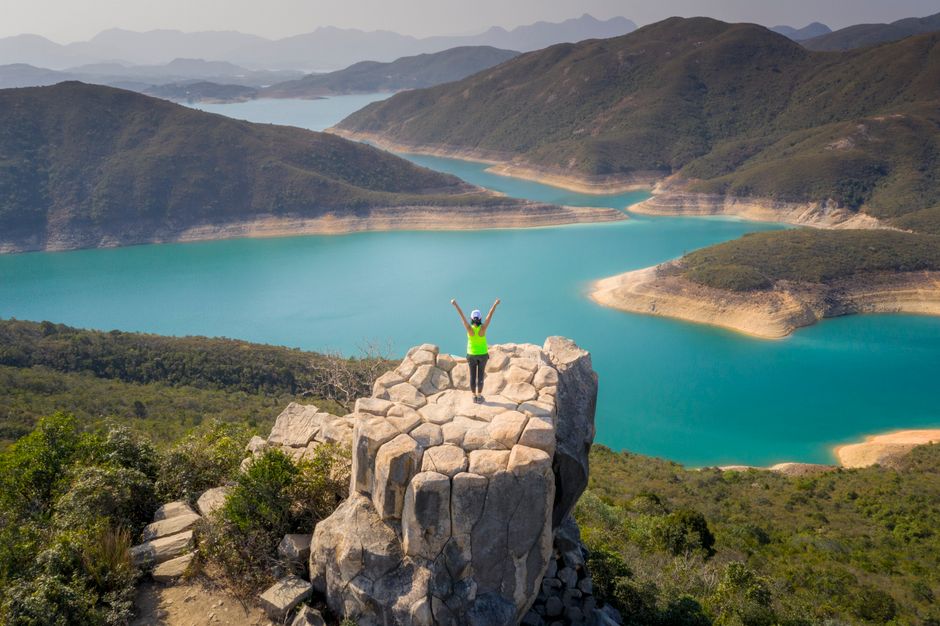
On any weekend morning, the carpark at the Peak Tram Lower Terminus fills by 7 a.m. with runners stretching calves and lacing trail shoes. Ten years ago, you'd struggle to find a dozen. Today, organised trail-running groups in Hong Kong number in the dozens, with membership apps logging thousands of weekly participants across the city.
This shift reflects a broader wellness awakening. The Hong Kong Sports and Leisure Industry Association reported in 2025 that outdoor fitness activities—particularly trail running and hiking—saw a 34 per cent year-on-year participation increase among adults aged 25–45. For a city long synonymous with gym memberships and studio cycling, it signals a fundamental recalibration of how we move.
"People are realising that a treadmill in a fluorescent room can't compete with Dragon's Back at sunrise," says Marcus Chen, founder of a popular Strava-connected running collective that organises weekly routes across the MacLehose Trail sections and the Lantau ridgeline. "Our group started with eight runners in 2023. We now have over 800 members."
The appeal extends beyond novelty. Running trails like the Kowloon Peak Loop, Victoria Peak Circuit, and the emerging coastal paths around Sai Kung offer natural interval training—elevation changes build strength without the joint strain of repeated road pounding. The terrain demands focus, reducing the mental noise that drives many indoors. And critically, they're free or nearly free: a modest fee at country park entries (typically HK$5–10) beats the HK$500–800 monthly gym memberships common across Central and Causeway Bay.
Local government has noticed. The Leisure and Cultural Services Department expanded trail maintenance budgets in 2025, prioritising popular routes. The Hong Kong Trail, stretching 50 kilometres across the Peak, has seen upgraded signage and water stations. Kowloon's lesser-known Sister Trails now feature rest benches installed in 2024–25.
Commercial interests are catching up. Running specialty stores in Causeway Bay and Mong Kok report that trail-specific footwear now outsells road shoes—a reversal from three years ago. Apparel brands have launched local ambassador programmes featuring routes from Repulse Bay to Shatin Pass.
Yet growth brings friction. Popular weekday evenings now see congestion on narrow sections of Dragon's Back, raising safety concerns. Conservation groups worry about trail erosion. The Department of Health has issued guidelines encouraging newcomers to start with established, less technical routes—the Peak Circuit and Bowen Road remain ideal entry points.
For wellness practitioners here, the message is clear: Hong Kong's fitness culture is migrating outdoors. The question is no longer whether to run outside, but which trail to choose.
This article was compiled by AI from the sources linked above and screened before publishing. See our editorial standards.